


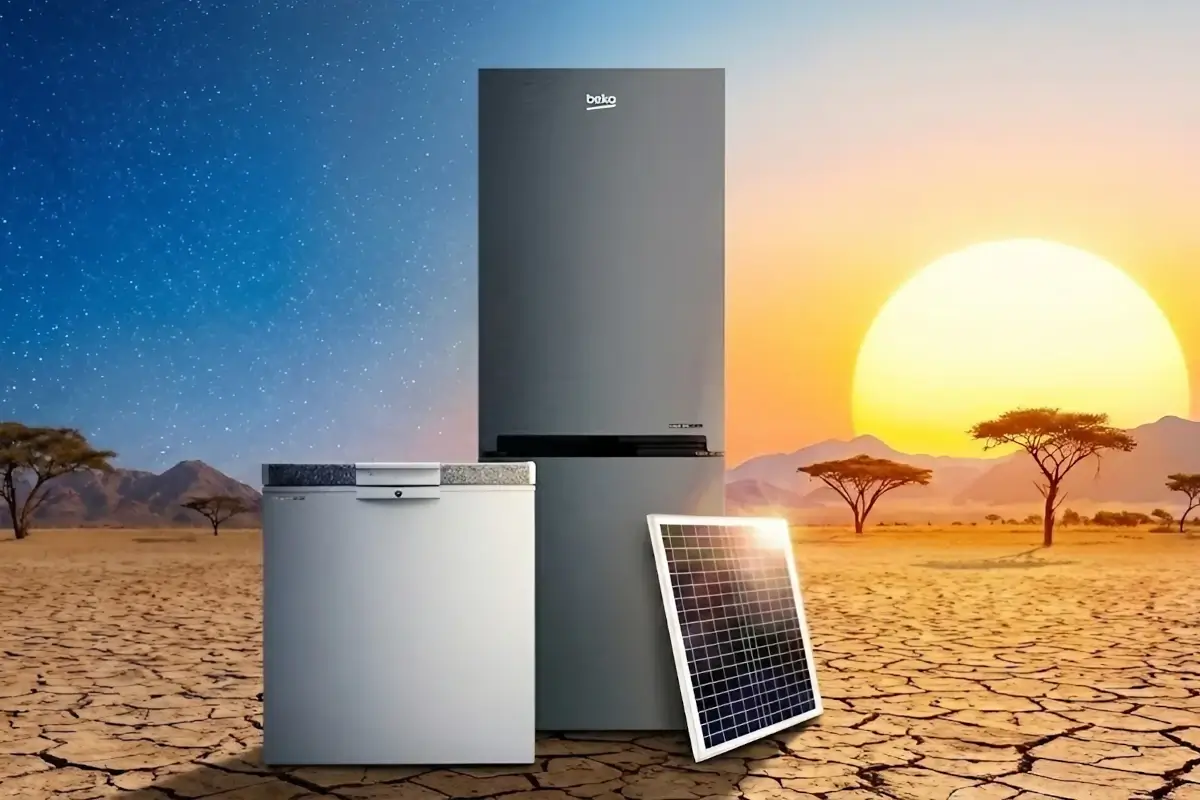
Turkish industry continues to dismantle the long-standing perception of being an "assembly industry" by developing high value-added technologies. The most concrete and prestigious evidence of this transformation is the report published by TIME magazine, one of the world's most respected publications. “The Best Inventions of 2025” Registered with the list.
Beko, a global player in the white goods sector, made headlines in the technology world by entering this list with two revolutionary products. These products were developed especially for regions lacking energy infrastructure, such as Africa. can operate without needing an electricity grid Rewriting the rules of energy efficiency with refrigerators heat pump dishwasher, This demonstrated the capacity of Turkish engineering to produce solutions to global problems.
So, why is being included in the TIME list so important, and what kind of technical innovation do these Beko products offer? At Yuzde100yerli.com, we take a closer look at the anatomy of this engineering achievement.
What is TIME's "Best Inventions" List?
TIME magazine's annual "The Best Inventions" list is considered the Oscars of the technology world. This list isn't comprised of randomly selected popular products. TIME editors and reporters from around the world evaluate the nominated products... originality, effectiveness (functionality), ambition (vision) And impact (social benefit) It undergoes an evaluation process that lasts for months, based on its criteria.
Being included on this list shows that a product is not just “good,” but has the “potential to change the world.” Beko’s inclusion of two different products on this list is an indication of how well the brand’s R&D strategy aligns with global trends.
Solar Off-Grid Performance Refrigerator
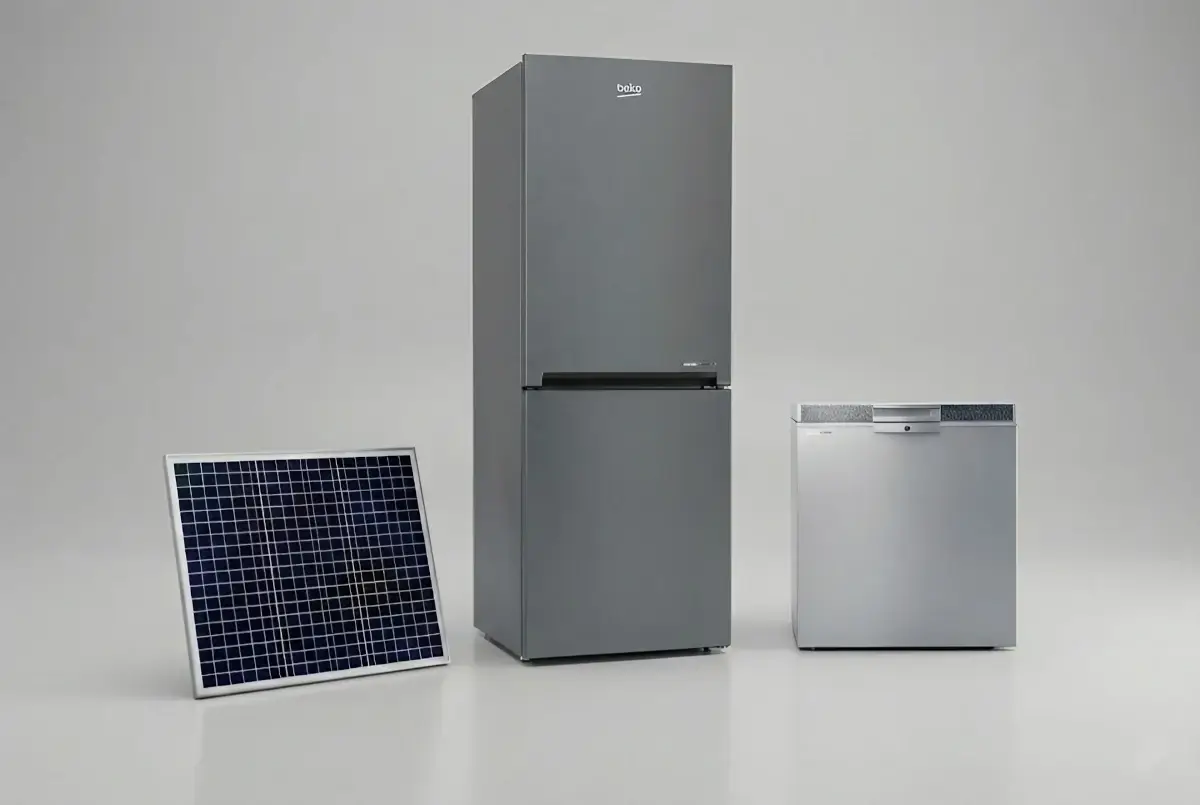
Featured in the "Home Technology" main category on the TIME list, this refrigerator is more than just a standard appliance; it's a project of social responsibility and advanced engineering.
The problem: Access to energy and food waste.
Globally, millions of people, particularly in Sub-Saharan Africa, lack access to a reliable electricity grid. This makes food preservation impossible, leading to massive food waste and health problems (such as the inability to store vaccines).
Solution and Technical Details
To solve this problem, Beko engineers developed a "Solar Off-Grid" architecture, meaning an off-grid solution. The technology behind this product goes far beyond a simple solar panel connection:
- MPPT Algorithm (Maximum Power Point Tracking): This system, which we can describe as the brain of the product, constantly monitors the energy coming from the solar panel. Even if the voltage fluctuates due to the angle of the sun or cloud cover, MPPT technology extracts the maximum efficiency that can be obtained from the panels at any given moment and transfers it to the system.
- Integrated Battery Management System: Excess energy produced during the day is stored in an optimized battery system. However, the critical innovation here is the "Charge/Discharge Management Unit." This unit balances the instantaneous power required by the compressor with the battery charge level in milliseconds, ensuring uninterrupted cooling even on days without sunlight.
- High-Efficiency Compressor: The compressor used in the system has been specifically designed for this "scarce resource" scenario, operating with significantly lower energy consumption compared to standard models.
This technology is transforming Beko from just a refrigerator manufacturer into a technology company that provides solutions to infrastructure problems in developing countries.
Heat Pump Dishwasher
The second product to be honored in the "Special Mentions" category on the TIME list is a result of the integration of thermodynamic principles into kitchen technology.
Problem: Energy Cost of Heating Elements
Geleneksel bulaşık makineleri, suyu 60-70 dereceye çıkarmak için suyun içinde bulunan elektrikli rezistansları (ısıtıcı telleri) kullanır. Bu yöntem, makinenin harcadığı elektriğin %70-80’ini oluşturur ve enerji verimliliğini sınırlar.
Solution and Technical Details
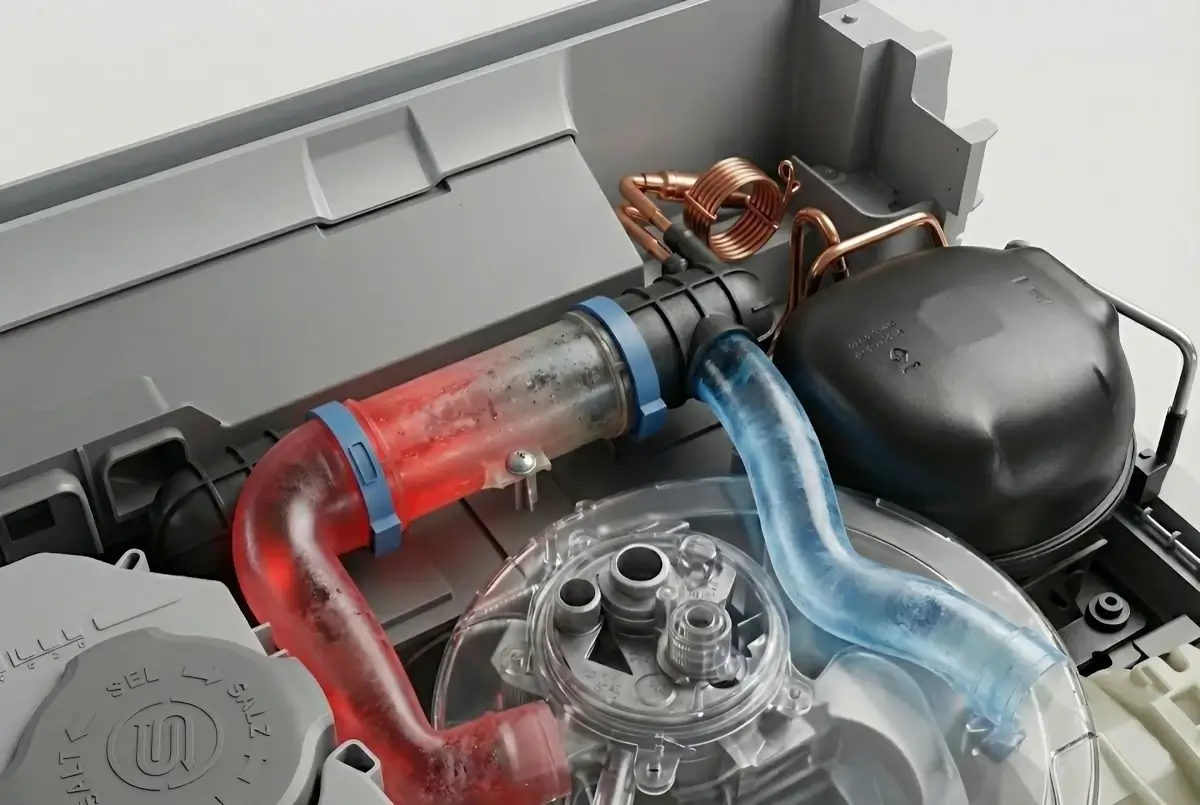
In a revolutionary move with this product, Beko eliminated the heating element and replaced it with a different type. Heat Pump He integrated the system.
- Thermodynamic Working Principle: A heat pump aims to "transfer" energy rather than "produce" it. The system takes low-temperature heat energy from the ambient air, compresses it using a special gas cycle and compressor, increases its temperature, and transfers it to the washing water. You can think of it just like air conditioners operating in heating mode.
- Hygiene at Low Temperatures: This technology uses significantly less electricity to heat water compared to a heating element. It also allows for a much more efficient process of reaching the temperature required for detergent activation.
In conclusion, the result is an engineering marvel that both reduces the carbon footprint and significantly lowers consumers' electricity bills, fully aligning with the goals of the European Green Deal.
The Triumph of Domestic R&D
This success is no accident. Beko's parent company, Arçelik, is a patent champion with over 30 years of R&D work worldwide, 28 different centers and offices, and more than 2,300 researchers. As Nihat Bayız, Beko's Deputy General Manager for Production and Technology, emphasized, "This R&D legacy, whose foundations were laid in Türkiye," has now reached a level where it is not just following the world, but exporting technology to the world.
Beko's presence on the TIME 2025 list is the clearest picture of Turkish industry's transition from "contract manufacturing" to "innovation leadership." This export of technology, extending from African villages to modern European kitchens, is the most important factor in increasing the added value of domestic production.
Keywords: Beko TIME Award 2025, What is a Solar Off-Grid Refrigerator, Working Principle of a Heat Pump Dishwasher, MPPT Technology, Turkish Engineering Achievements, Domestic Technology, TIME Best Inventions 2025
