



The changing dynamics of the modern battlefield have shifted countries' defense strategies from "border security" to "airspace dominance." In today's world, where drones, cruise missiles, and ballistic threats are increasingly diverse, Turkey has undertaken one of the world's most comprehensive and integrated air defense projects to protect its "Sky Homeland." "Steel Dome" It brought its architecture to life. As Yuzde100yerli.com, we have compiled all the air defense systems developed, tested, and put into inventory by the Turkish defense industry, led by ASELSAN, ROKETSAN, and TÜBİTAK SAGE, in a single guide.
What is Steel Dome? Why is it strategic?
Steel Dome is not a single weapon or missile system. It is an integrated system of systems that communicates with each other, extending from very low altitudes to the uppermost layers of the atmosphere (high altitude/long range).
For years, Turkey tried to meet its long-range air defense needs through external procurement (Patriot, S-400, etc.), but with the strategic steps it has taken in the last 15 years, it has ended this dependence. Today, Turkey is one of the few countries in the world that can build its own air defense shield, from barrel systems to hypersonic missile interceptors, from laser weapons to AI-powered command and control networks.
The Importance of Layered Architecture
Air defense is like a chain, and it is only as strong as its weakest link. While SİPER is needed to stop a ballistic missile, systems like KORKUT or ŞAHİN are required to stop swarms of kamikaze drones. The Steel Dome project is built on an intelligent network (HERİKKS/HAKİM) that selects the most suitable and cost-effective weapon for engagement the moment it detects a threat.
In this article, we will examine in detail Türkiye's aerial defense systems, from KORKUT to SİPER, and from SUNGUR to GÖKHAN missiles, including their technical data, development processes, and export successes.
Fragmented Ammunition and Barrel Systems
In air defense doctrine, while missiles destroy long-range threats, Barrel Systems form the last line of defense against infiltrating or swarm threats. The Turkish defense industry, with its Smart Munition technology, has transformed classic anti-aircraft guns into modern drone and missile hunters.
KORKUT: Self-Propelled Low-Altitude Air Defense Gun System
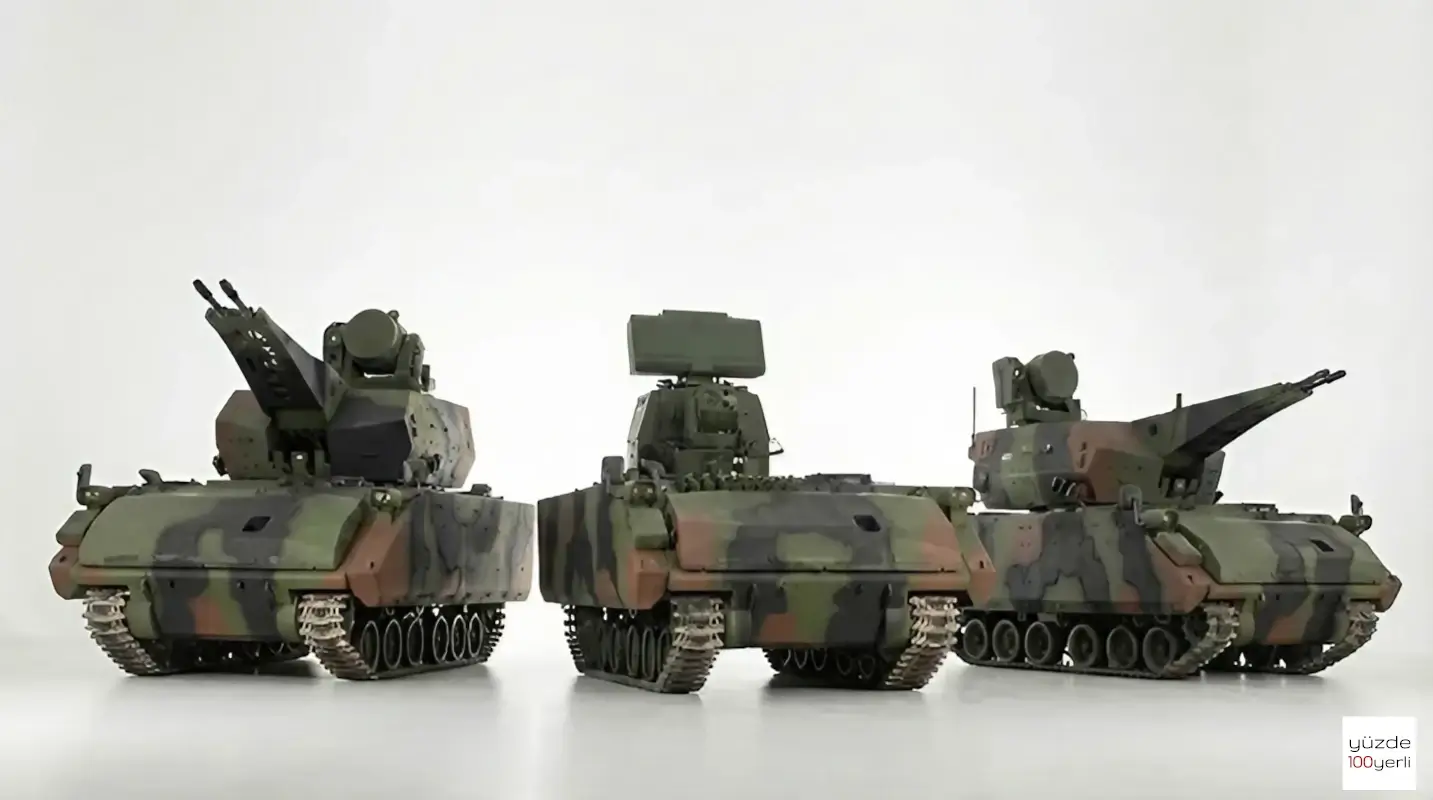
Developed in collaboration between ASELSAN and FNSS to meet the Turkish Armed Forces' low-altitude air defense needs and replace outdated older generation systems (such as the M42 Duster), KORKUT, KORKUT is the protector of mobile units and critical facilities. The project contract was signed in 2010, serial production began in 2016, and the systems have gradually entered the inventory of the Land Forces Command. As of 2025, KORKUT is actively serving in many locations, from border security to military bases.
The KORKUT system operates in teams of 3 Weapon System Vehicles (WSVs) and 1 Command and Control Vehicle (CCV). The CCV detects the target and directs it to the most suitable weapon vehicle.
KORKUT Technical Specifications
- Weapon: 35 mm Twin Barrel Cannon
- Rate of Fire: 1100 rounds per minute (2 x 550)
- Effective Range: 4 km
- Ammunition Type: 35 mm Fragmented Munition (ATOM) and Conventional High Explosive Munition (HEI)
- Platform: ZMA-30 (Armored Fighting Vehicle) developed by FNSS.
- Radar: 3D Search Radar and Fire Control Radar
Critical Technology: ATOM Munitions
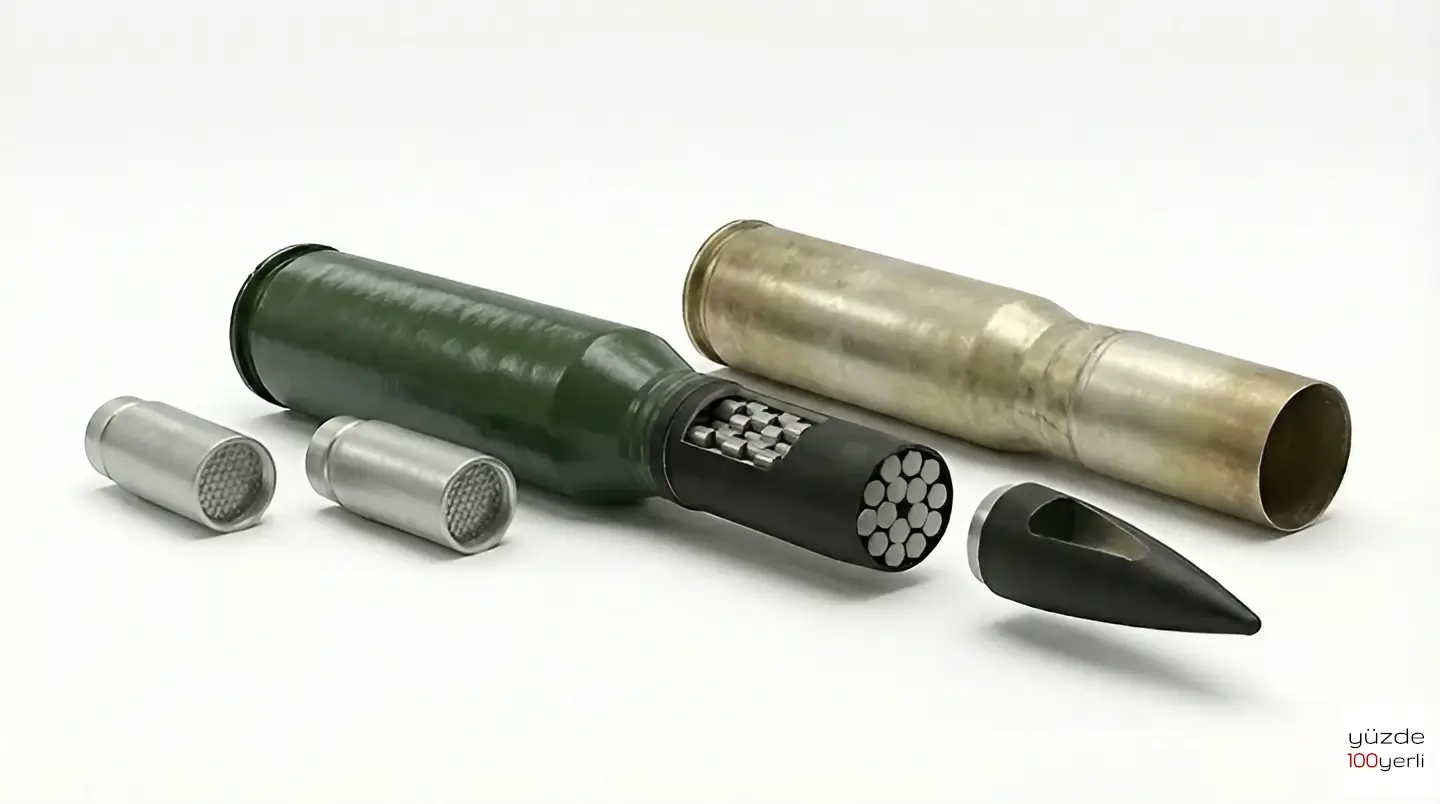
The biggest feature that distinguishes KORKUT from its competitors is that it was developed by ASELSAN. ATOM 35mm Fragmented AmmunitionThis munition, programmed within milliseconds of leaving the barrel, detonates directly in front of the target instead of hitting it. The explosion scatters hundreds of tungsten particles, creating an "iron cloud" in the air. This allows small, fast drones or cruise missiles to be destroyed as they pass through this cloud.
Hybrid and Next-Generation Systems
The diversification of air threats (swarm drones, cruise missiles, helicopters, and aircraft) has necessitated the evolution of defense systems. While previously gun systems and missile systems were deployed on separate vehicles, the modern battlefield requires hybrid solutions that combine these two forces. Turkey has responded to this need with GÜRZ, developed by ASELSAN, a system with very few examples in the world literature.
GÜRZ: Hybrid Air Defense System
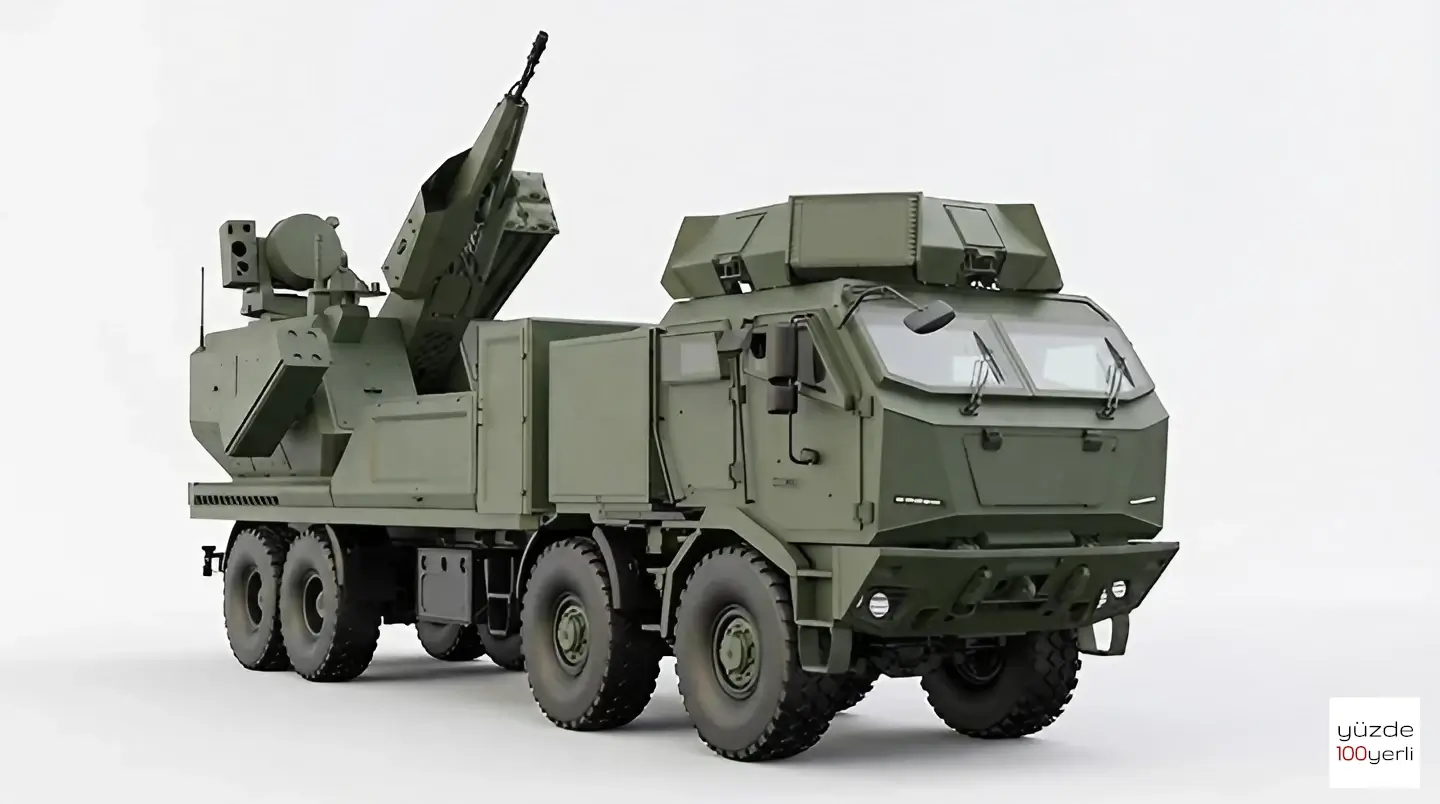
Developed by ASELSAN and first showcased at IDEF 2023 MACE, It can be described as a "Single Vehicle Air Defense Battery". What makes GÜRZ revolutionary is its ability to perform the entire process, from target detection to destruction, independently, without needing any other vehicle or radar.
Although often compared conceptually to Russian-made Pantsir systems, GÜRZ boasts a much more modern architecture thanks to its technological infrastructure (AESA Radar technology and Smart Munition integration). The system plays a critical role, particularly in protecting moving military convoys and providing point air defense for fixed installations.
Multilayered Architecture
Depending on the type and range of the threat, GÜRZ houses three different weapon systems in the same turret:
- Fragmented Munitions (ATOM): For very low altitude and close-range threats (especially drone swarms).
- Very Low Altitude Missiles: For close-range air targets (SUNGUR or Stinger class).
- Low-Altitude Missiles: To counter threats at a slightly longer distance (like the Bozdoğan/Gökdoğan variant).
GÜRZ Technical Specifications
- Main Weapon: 35 mm anti-aircraft gun (capable of using ATOM ammunition).
- Missile Capacity:
- 4 Very Low Altitude Missiles (Within Visual Range).
- 4 Low Altitude Missiles (Radar-Guided/IIR).
- Radar System: placed all around the tower Active Phased Array (AESA) Search Radar With 360-degree continuous target detection.
- Fire Control: Fire Control Radar and Electro-Optical Sensors located in front of the tower.
- Platform: 8x8 Tactical Wheeled Armored Vehicle (can be integrated onto Anadolu Isuzu Seyit or similar platforms).
- Skills: Ability to fire while in motion, multi-target tracking, and network-enabled capabilities via data link.
GÜRZ is the most versatile player in the Steel Dome system. It uses its 35mm cannon when a swarm of drones approaches, its heat-seeking missile when a helicopter appears, and its radar-guided interceptor missile when it detects an aircraft or cruise missile, thus neutralizing the threat in the most cost-effective way.
Shoulder-mounted and pedestal-mounted systems
This layer, referred to as "Very Low Altitude" (VSHORAD) in air defense literature, provides self-defense for infantry units, especially against helicopters, UAVs, and cruise missiles infiltrating from low altitudes. For years, Turkey used US-made FIM-92 Stinger missiles in this area, but with ROKETSAN's SUNGUR, it has produced not just an equivalent, but a technologically far superior domestic solution.
SUNGUR: Air Defense Missile System
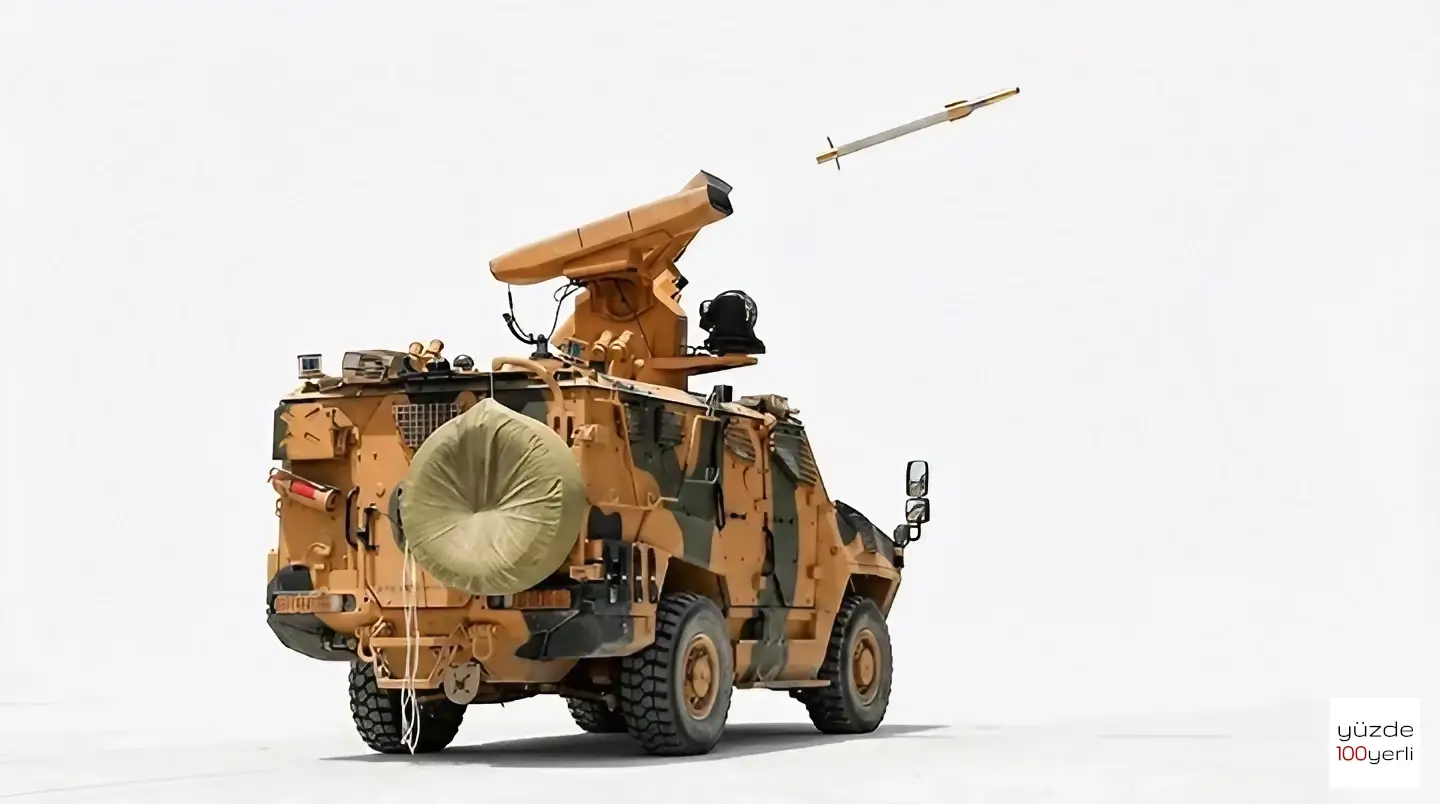
Developed by ROKETSAN SUNGUR, It is a new generation missile system used in short-range air defense of mobile units, convoys, and critical facilities. The project was initiated (within the scope of the PORSAV project) with the aim of replacing the Stinger missiles in the Turkish Armed Forces' inventory and ending dependence on foreign sources, and it began to enter the inventory in the early 2020s.
SUNGUR can be integrated into different platforms thanks to its modular structure. Its most common use is the "Pedestal Mounted" version on the BMC Vuran 4×4 armored vehicle. However, the most strategic version of the system is the MANPADS (Man-Portable Air-Defense Systems) configuration, which can be launched from the shoulder of a single soldier. This allows protection against air threats for everyone from commandos in mountainous terrain to guards at border posts.
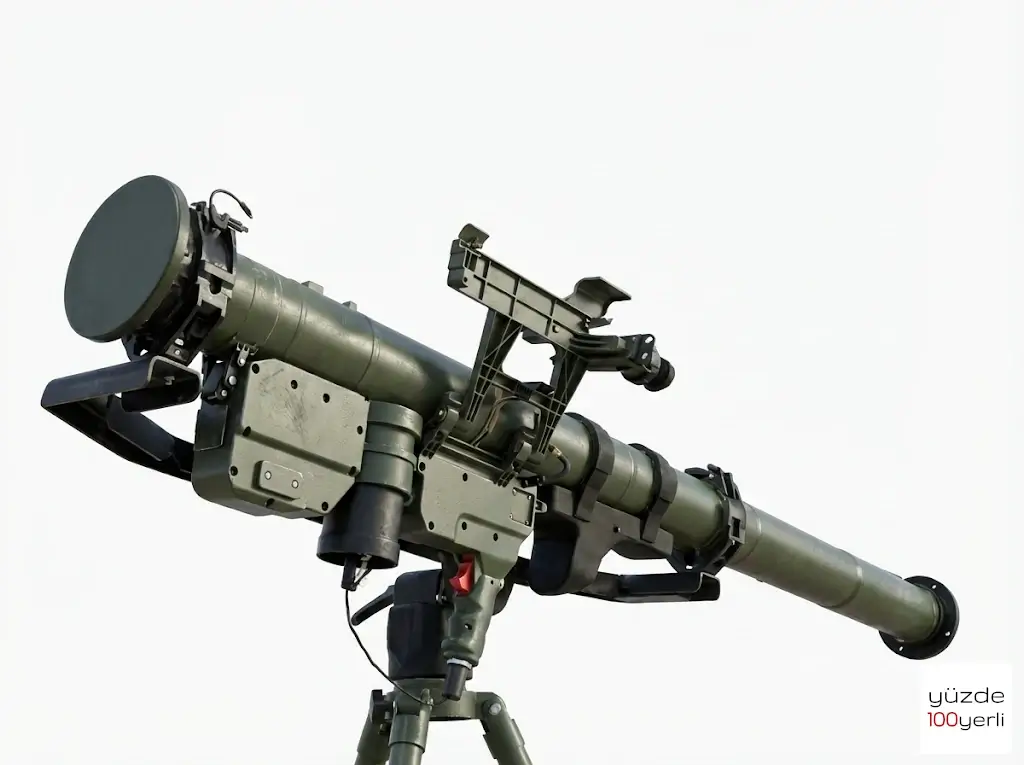
Unlike Stinger: The IIR Seeker Head Revolution
The most critical technological difference that distinguishes SUNGUR from classic Stinger missiles is its... Imaging Infrared (IIR) This is the search title.
- Legacy Technology (IR): Conventional missiles only lock onto heat (engine temperature). Therefore, aircraft can confuse these missiles by launching flares (heat bombs).
- SUNGUR Technology (IIR): SUNGUR's "eye" sees not only the target's heat but also its shape/appearance. It perceives the target's body as a whole, not just its engine. This allows it to avoid being fooled by deceptive heat waves (countermeasures) launched by enemy aircraft and to hit its target with a very high accuracy rate. This feature makes SUNGUR one of the smartest missiles in its class.
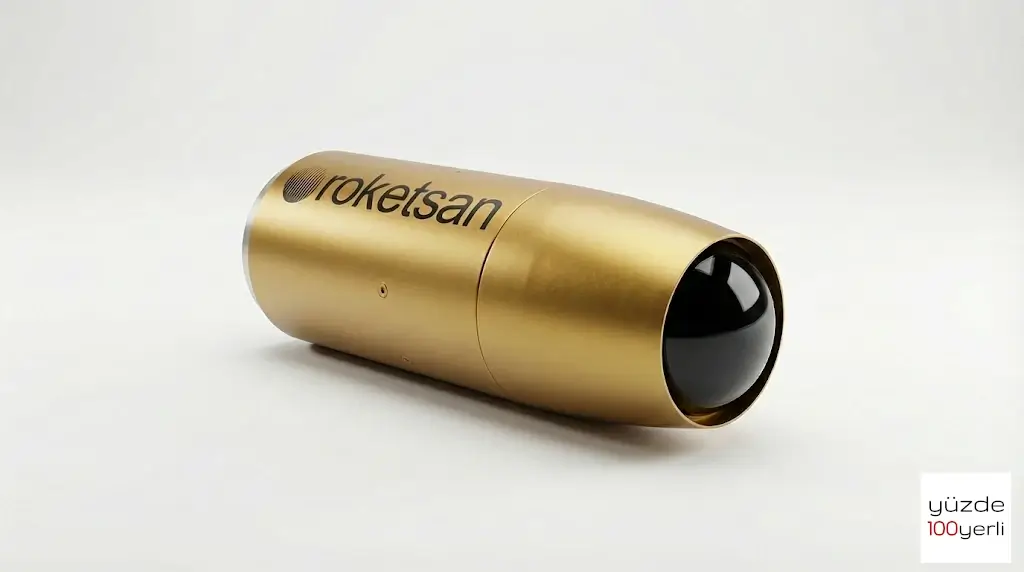
SUNGUR Technical Specifications
- Range: 8+ km (One of the longest ranges in its class).
- Altitude: 4+ km.
- Guidance: IIR (Imaging Infrared) Seeker Head.
- Warhead: High explosive, armor-piercing, and fragmentation (Titanium warhead technology).
- Shooting Mode: The "Fire and Forget" feature. Once launched, the missile locks onto the target and moves on its own, eliminating the need for personnel to wait.
- Platform:
- Single-person shoulder-fired (MANPADS).
- BMC Vuran and similar armored vehicles (capable of firing while in motion, with a 360-degree rotating turret).
- Potential for integration with UAVs and naval platforms.
SUNGUR is the nerve center of the Steel Dome. In valleys invisible to radars or in the face of sudden threats, it reacts within seconds, ensuring the inviolability of the "Sky Homeland".
Low and Medium Altitude Missile Family
Türk hava savunma şemsiyesinin “bel kemiği” olarak nitelendirilen HİSAR projeleri, ASELSAN (Radar, komuta kontrol, atış kontrol) ve ROKETSAN (Füze sistemi) ortaklığında yürütülmektedir. Projenin temel amacı, TSK envanterindeki emektar “Rapier” ve “Hawk” bataryalarının yerini alacak, dikey atış kabiliyetine sahip ve %100 yerli milli sistemler geliştirmektir.
Having entered mass production in the early 2020s and with its range/altitude values increased by the "+" (Plus) suffix, this family currently operates in two main classes: HİSAR-A+ and HİSAR-O+.
HİSAR-A+: Low Altitude Air Defense Missile System
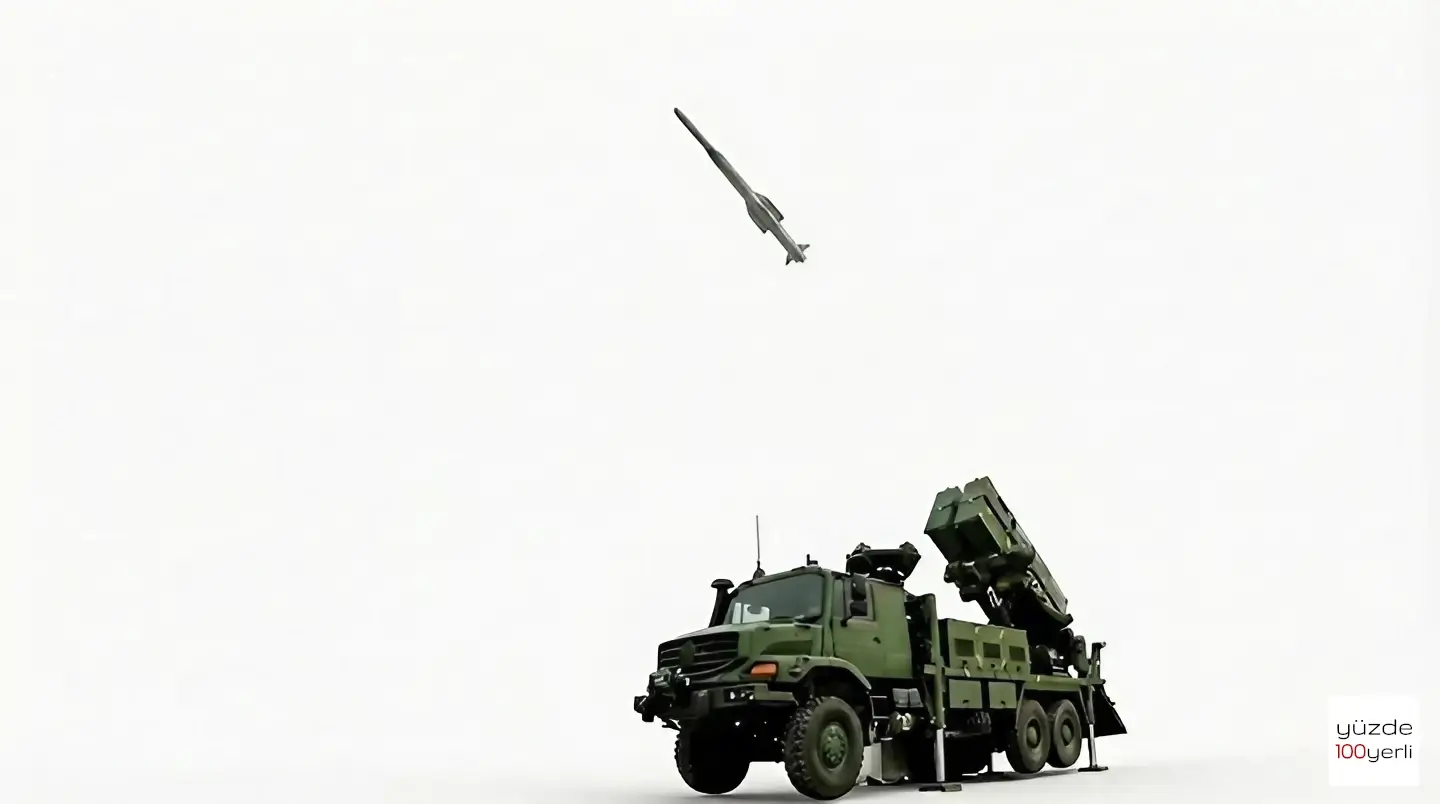
The most agile member of the HİSAR family HİSAR-A+, It is designed for the air defense of mobile units and critical points. The system is based on the tracked ZMA-30 platform developed by FNSS.
The most important capability that makes HİSAR-A+ special. “"Autonomous"” Its structure means that the radar, command and control, fire control, and missile launchers are all on a single armored vehicle. This allows the system to find, lock onto, and destroy its target independently, without needing another unit. It can operate alongside tank battalions in challenging terrain.
HİSAR-A+ Technical Specifications
- Prevention Range: 15+ km
- Guidance: IIR (Infrared Imager) or RF (Radio Frequency) Dialer Head option.
- Firing Type: Vertical Launch (provides 360-degree protection, no need to rotate the turret).
- Target Set: Fighter jets, helicopters, drones, cruise missiles.
HİSAR-O+: Medium Altitude Air Defense Missile System
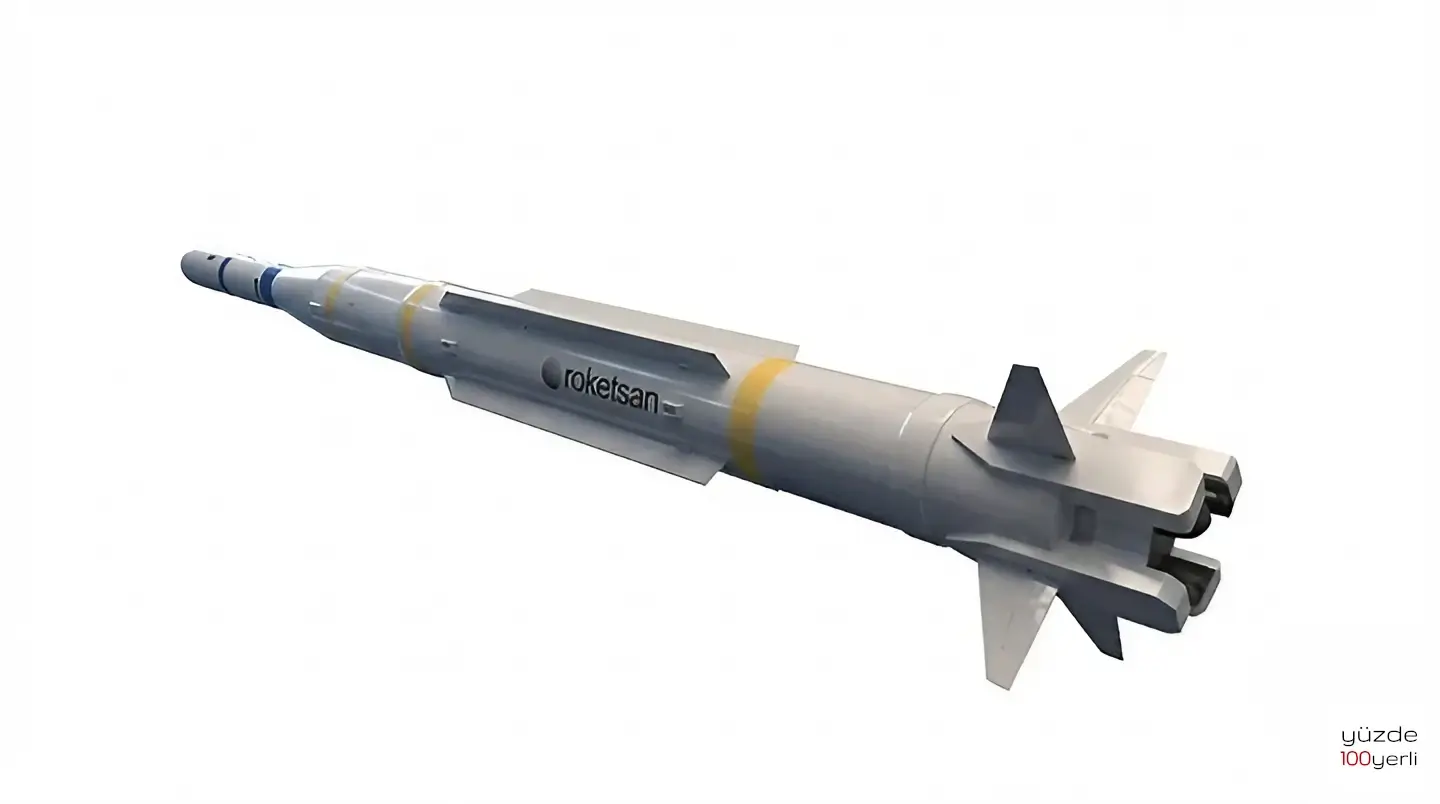
HİSAR-A+'s older sibling HİSAR-O+, It was developed to protect a wider area and neutralize threats at higher altitudes. This system operates with a "Distributed Architecture"; meaning the radars, launch vehicles, and command and control center within the battery are in separate vehicles. This structure increases the system's chances of survivability against enemy fire.
HİSAR-O+ is the most strategic element ensuring Türkiye's dominance in medium-altitude airspace. It was developed particularly effectively. RF (Radio Frequency) Finder Head With the HİSAR-O+ RF missile, our air defense capability has been elevated to the league of "active radar-guided" missiles.
Critical Revolution: RF Seeker Head
In the initial stages of the project, the missiles were only IIR (Heat/Image) guided. However, later developments RF Seeker Head, This technology allows the missile to find its target using its own tiny radar. This technology gives the missile:;
- All-Weather Strike: Unaffected by clouds, fog, or rain,
- Longer Range: It provided the ability to strike from a distance without needing to approach a heat source.
HİSAR-O+ Technical Specifications
- Prevention Range: 25+ km (effective range is estimated to be further increased with RF missiles).
- Interception Altitude: 10+ km.
- Firing Type: Vertical Shooting (360-degree activity).
- Radar: Target detection and tracking with the Kalkan-II Radar.
- Competency: Ability to fire at and track more than 9 targets simultaneously.
Thanks to its vertical launch capability, the HİSAR family of missiles can maneuver in the air and counter threats from all directions without needing to turn towards the target before firing. This feature allows the "Steel Dome" to have complete control in all directions.
High Altitude and Long Range (Strategic Defense)
In air defense doctrine, this layer, called "Regional Air Defense," is a strategic deterrent element that prevents enemy aircraft and missiles from approaching the border line, from hundreds of kilometers away. Turkey, which has been discussing this critical need for years through the Patriot and S-400 procurement processes, has developed this system in partnership with ASELSAN, ROKETSAN, and TÜBİTAK SAGE. SIPER Project It was solved using national resources.
SİPER is not a single missile, but a family of products whose range is continuously increased in accordance with evolving threats. Having successfully completed its first test firings in 2023 and beginning to enter the inventory in 2024-2025, SİPER constitutes Türkiye's "Long-Range Regional Air and Missile Defense" capability.
SIPER Product-1: The First Strategic Shield
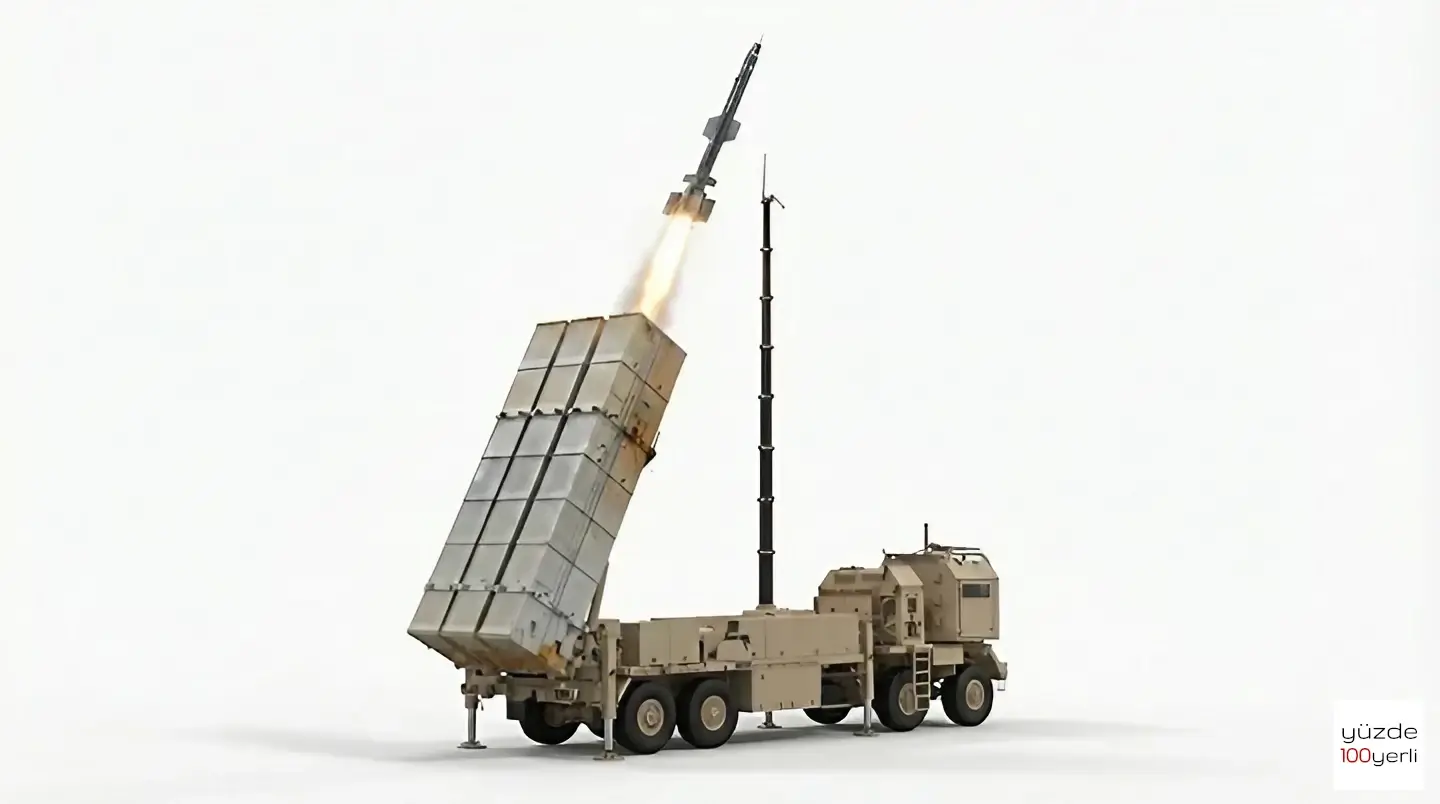
The first member of the SİPER family Product-1, It is a system built on the HİSAR-O+ architecture but with a much more powerful booster system and more advanced seeker heads.
- Range: 100+ kilometers.
- Duty: Long-range interception of "air-breathing" targets such as fighter jets and cruise missiles.
- Situation: It has completed acceptance tests and entered the Turkish Air Force inventory, and has commenced active duty.
SİPER Product-2: Power That Pushes Boundaries
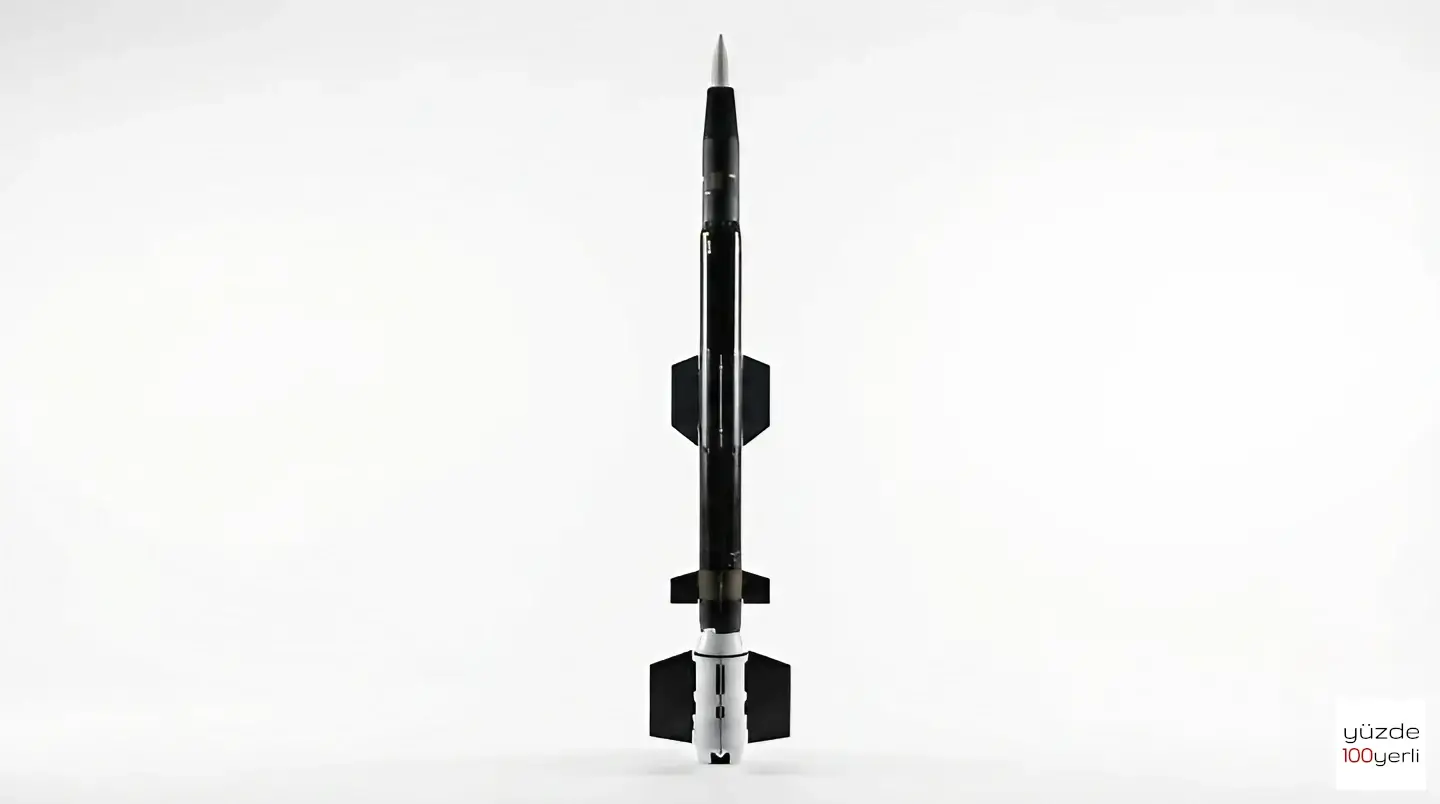
The second and more developed member of the family SİPER Product-2, It has raised the bar in both range and altitude to a level that rivals global giants (Patriot PAC-3, S-400, etc.). Unlike Product-1, its missiles are fired from more aerodynamic round launch tubes instead of a square canister structure.
- Range: 150+ kilometers (It is known that this range can be increased through the development process).
- Capability: Not just planes, but approaching ones too. Ballistic Missiles It also has the capability to intercept projectiles. This feature transforms SİPER Product-2 from a simple anti-aircraft system into a strategic "Anti-Ballistic Missile" system.
Technical Specifications of the SIPER System
The SİPER battery consists of a Command and Control Center, Search Radar, Fire Control Radar, Communication Stations, and Missile Launching Systems.
- Prevention Range: 100 km (Product-1) / 150+ km (Product-2)
- Interception Altitude: 30,000+ feet (Activity extending to the upper layers of the atmosphere).
- Radar Power: Developed by ASELSAN ALP 300-G (Early Warning Radar System), By detecting threats hundreds of kilometers away, it acts as the "eyes" of SİPER.
- Firing Type: Vertical Shot (360-degree full protection).
- Guidance: RF (Active Radar) Seeker Head. While the missile receives data from ground radar at long range, it activates its nose-mounted radar and locks onto the target "one-to-one" as it approaches.
- Engagement: Multiple target tracking and the ability to simultaneously direct multiple missiles to different targets.
SİPER is the roof of the Steel Dome. By engaging enemy air elements hundreds of kilometers away, it neutralizes the threat to Türkiye's strategic facilities, cities, and military units at its source or in its early stages. With this system, Turkey has risen to the "champions league" of countries exporting air defense systems.
Air-to-Air Missiles (Flying Swords)
While air defense often brings to mind ground-launched missiles, the most effective way to protect airspace is with fighter jets. Türkiye, under the leadership of TÜBİTAK SAGE, is carrying out... GÖKTUĞ Project Turkey has localized the production of air-to-air missiles, which are the ammunition for fighter jets. These missiles constitute the main striking force of F-16s, the National Combat Aircraft KAAN, HÜRJET, and KIZILELMA.
These missiles, which entered the inventory in the mid-2020s, ended Türkiye's dependence on US-made AIM-9 Sidewinder and AIM-120 AMRAAM missiles.
BOZDOĞAN: Within Visual Range Air-to-Air Missile (WVR)
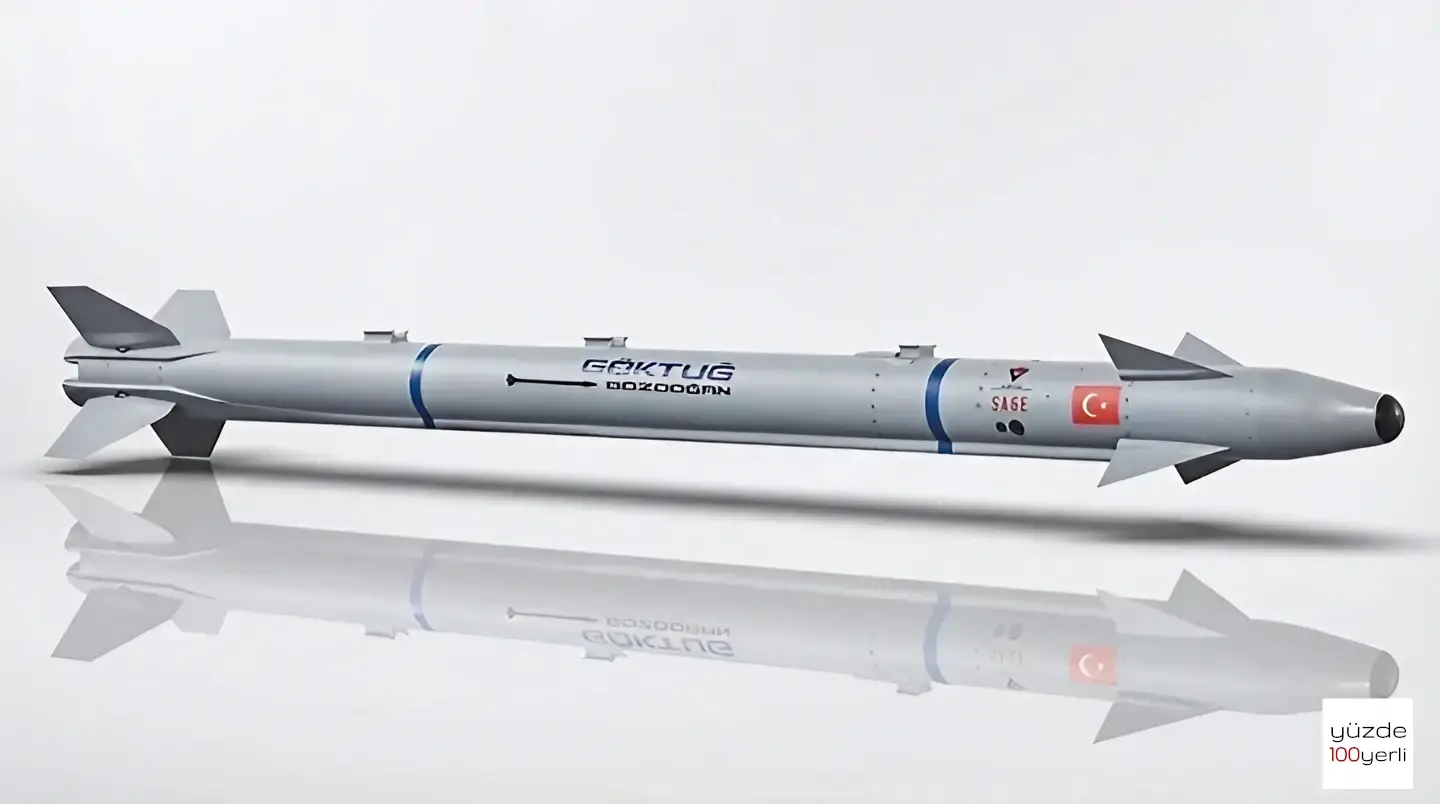
MERLIN, It is a highly maneuverable missile developed for close-quarters air combat, known as dogfighting. It is the domestic equivalent of the US-made AIM-9X Sidewinder missile.
Technical Specifications and Advantages
- Guidance: High-resolution IIR (Imaging Infrared) seeker head. It locks onto the target's shape, not just its engine temperature, thus avoiding deceptive sleight of hand like flares.
- Maneuver: Thanks to Thrust Vectoring, it can make sharp turns that defy the laws of physics.
- Off-Boresight: Thanks to the system integrated into the pilot's helmet, the aircraft can lock onto and fire at targets even in the direction the nose is not pointing (to the side or rear).
- Speed: It can reach four times the speed of sound (Mach 4+).
GÖKDOĞAN: Beyond Visual Range Air-to-Air Missile (BVR)
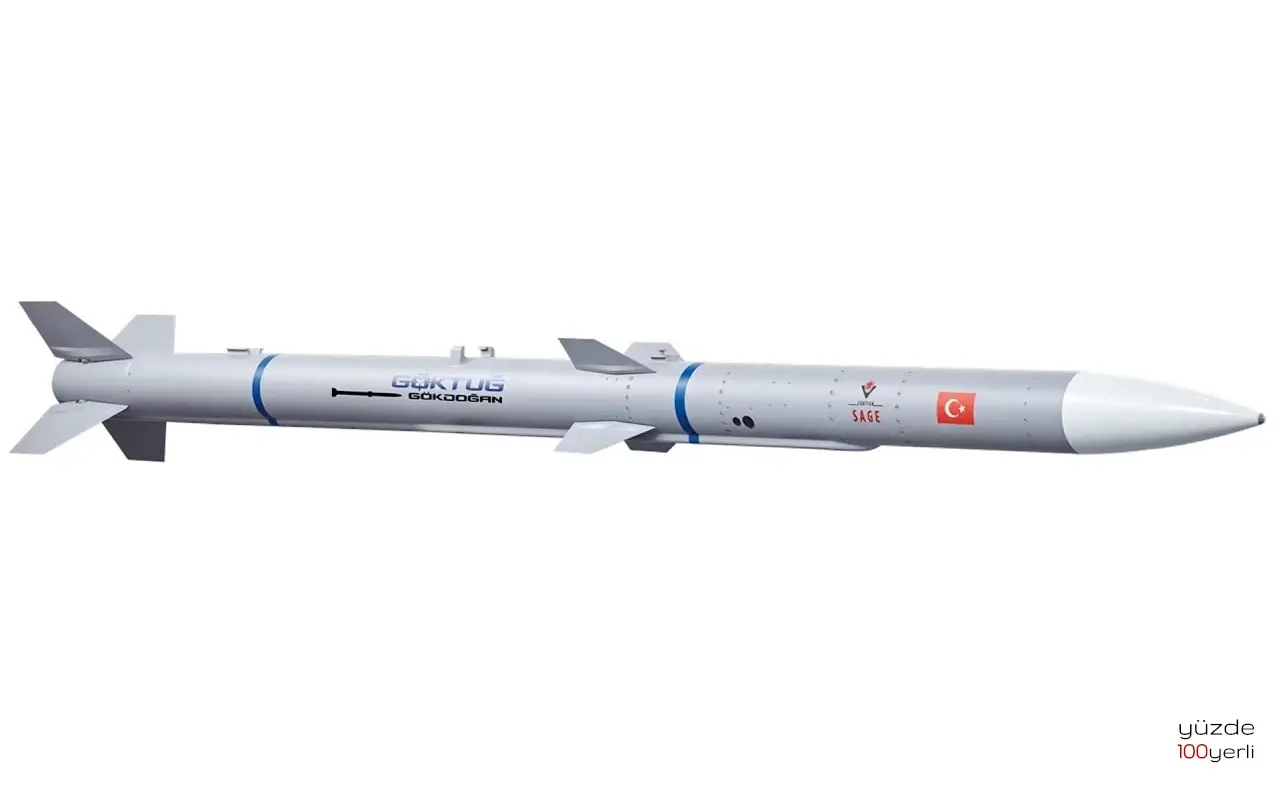
GOKDOGAN, It is designed to destroy threats kilometers away that the pilot cannot see with the naked eye. It is the domestic equivalent of the US-made AIM-120 AMRAAM missile. It serves as the "long arm" of the Steel Dome.
Technical Specifications and Advantages
- Guidance: Active Radar (RF) Seeker Head. The missile finds its target thanks to the miniature radar on board.
- Forget it: After firing the missile, the pilot can move away from the area (crank maneuver), and the missile will track its target on its own.
- Data Link: The missile can receive target updates from an aircraft or AWACS plane while it is in the air.
- Range: 65-100+ km (Varies depending on operational conditions).
GOKHAN: Game-Changing Ramjet Technology
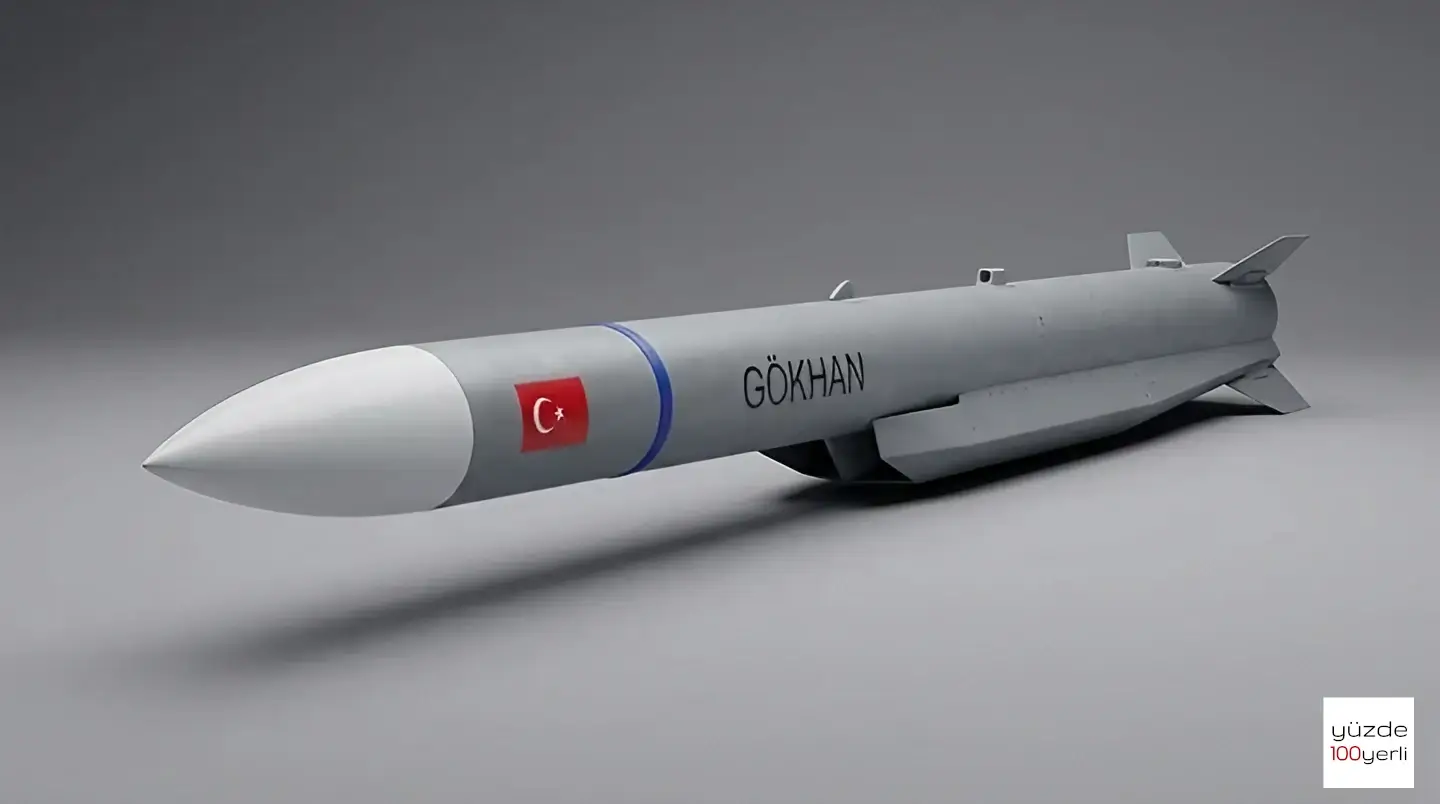
Beyond the GÖKTUĞ family, this is the most strategic air-to-air missile project Türkiye is working on. GOKHAN‘GÖKHAN, which is the equivalent of the European-made "Meteor" missile, has the following features: Ramjet (Liquid Fuel/Air Breathing) This propulsion system is a technology that very few countries in the world possess.
Why is it a game changer?
Classic rocket-powered missiles (like the Bozdoğan/Gökdoğan) accelerate in the first few seconds after launch, then run out of fuel and glide towards the target. As the range increases, their energy and maneuverability decrease.
However GOKHAN‘Ramjet engine of 's;
- Continuous Impulse: The engine continues to run until it hits the target.
- Wide No-Escape Zone (NEZ): “He greatly expands the "No Escape Zone." No matter how much the enemy aircraft maneuvers, GÖKHAN continues to chase it because he doesn't lose his energy.
- Long Range: It provides a high lethality rate even from very long distances.
GÖKHAN, especially as the most strategic weapon of KAAN and KIZILELMA, represents the technological pinnacle that will shift the balance of air superiority in the Aegean and Eastern Mediterranean in favor of Türkiye.
Naval Air Defense Systems
The Steel Dome's protective shield is not limited to land borders. The Turkish Navy's floating fortresses—frigates, corvettes, and patrol boats—also possess their own defensive domes against one of the deadliest threats of the modern battlefield: Anti-Ship Missiles (Atmaca, Harpoon, Exocet, etc.). Turkey has developed both barrel-based (GÖKDENİZ) and missile-based (LEVENT) solutions in this area, transforming its ships into "impenetrable fortresses.".
GÖKDENİZ: Naval Platform Close-in Air Defense System (CIWS)
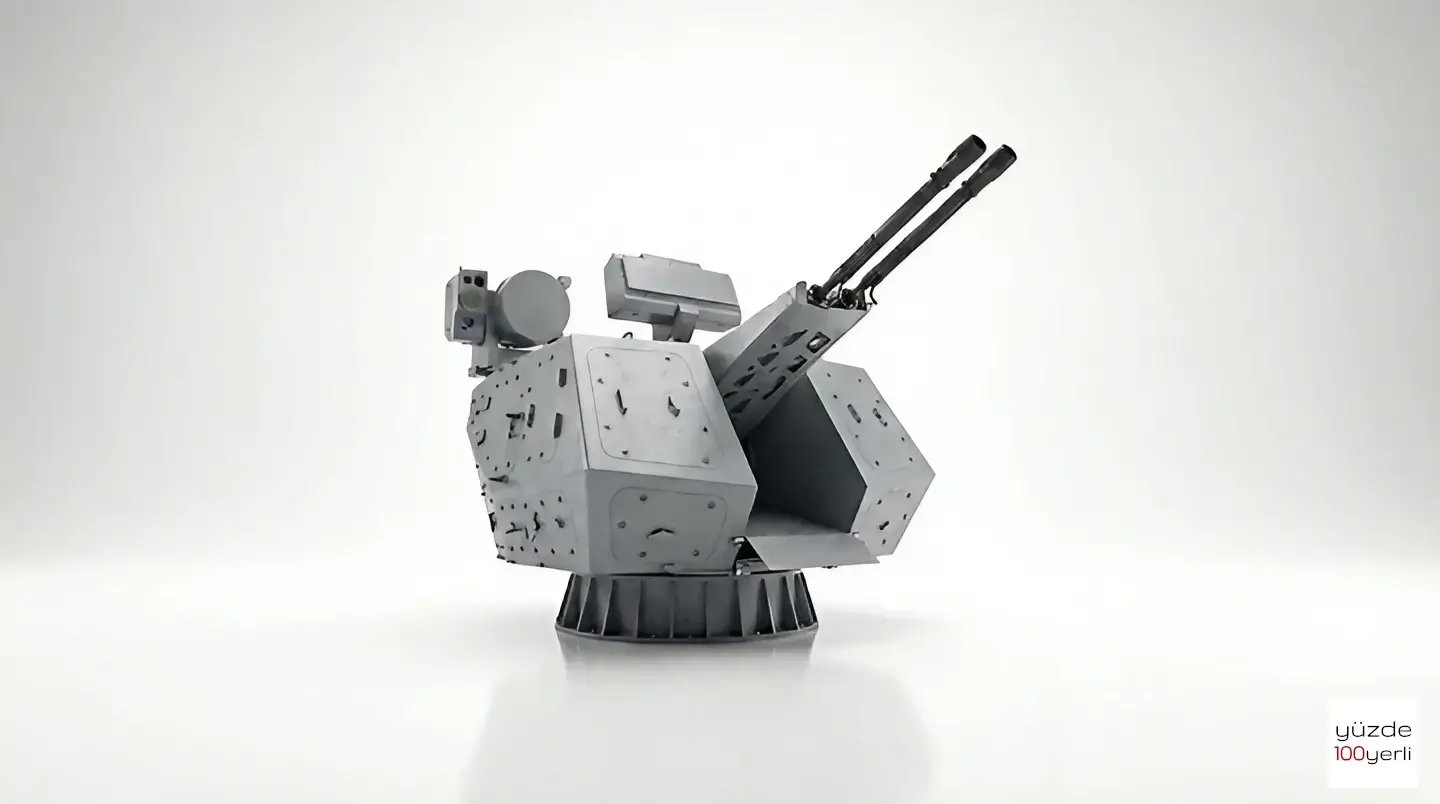
Born from the transfer of experience gained from the KORKUT project to offshore platforms. GOKDENIZ, The Close-In Weapon System (CIWS) is the last line of defense for ships. Compared to its counterparts in the world, the US-made Phalanx and the Dutch-made Goalkeeper systems, it offers a much more modern solution.
GÖKDENİZ is a star not only of the Turkish Navy (TCG Istanbul Frigate, etc.) but also of the export market. The system has proven its success internationally by being exported to countries like Turkmenistan and Pakistan before being used by the Turkish Navy.
GÖKDENİZ Technical Specifications
- Weapon: 35 mm Twin Barrel Cannon
- Ammo: High effectiveness against anti-ship missiles through the use of ATOM (Smart Munitions).
- Sensors: Integrated 3D Search Radar, Fire Control Radar, and E/O (Electro-Optical) Sensors.
- Multiple Targets: The ability to track multiple threats simultaneously.
- Independent Work: The ship is capable of detecting and destroying targets using its own radar, independently of the ship's sensors.
GÖKDENİZ neutralizes subsonic or supersonic guided missiles (Anti-Ship Missiles), helicopters, and unmanned aerial vehicles approaching the ship, forming the furthest point of the Steel Dome of the "Blue Homeland.".
LEVENT: Close-in Air Defense Missile System
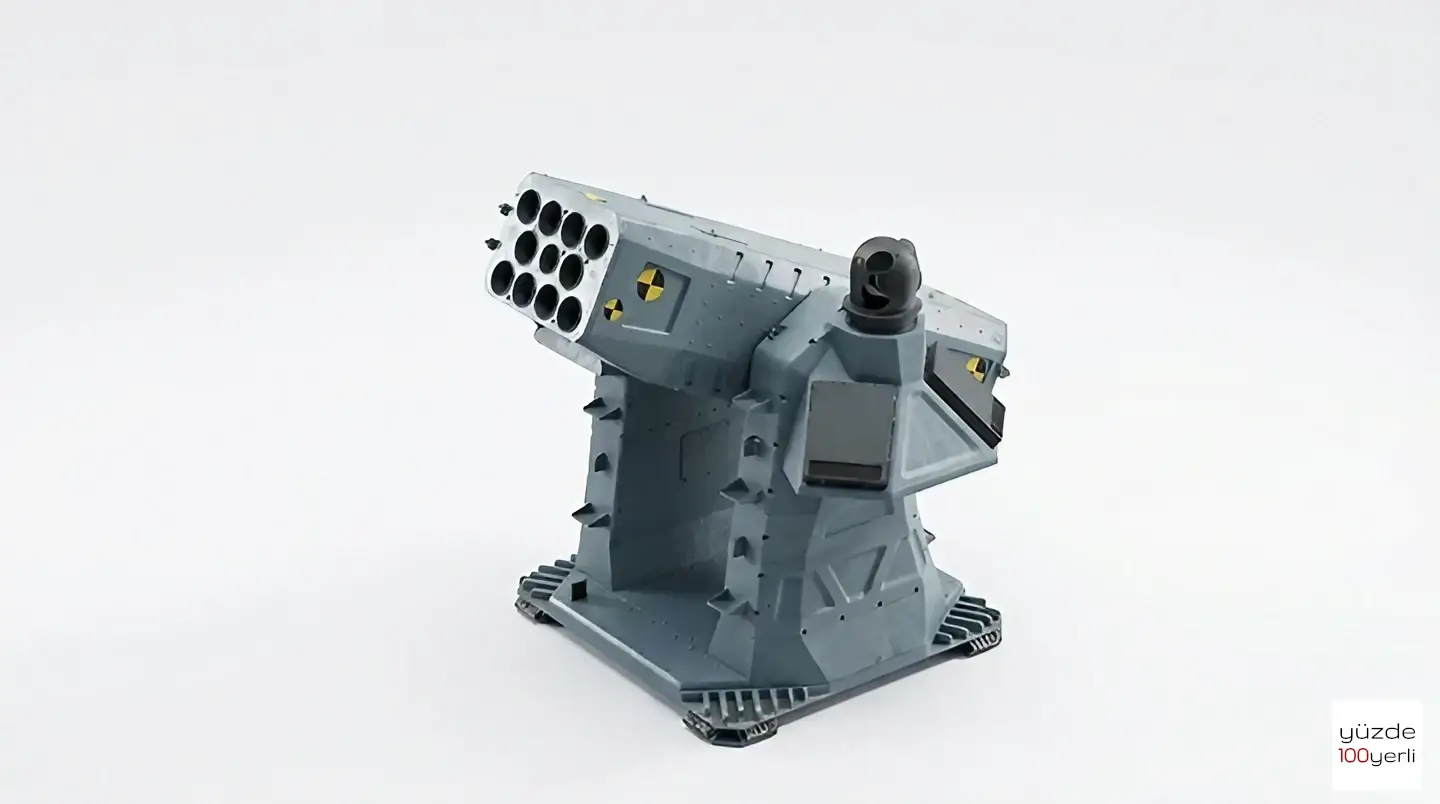
Developed for the intermediate zone where barrel systems lack range but long-range missiles cannot engage. LEVENT, It is our navy's missile-based close-in defense system. Developed by ROKETSAN, the project is a domestic and more advanced alternative to the US-made RAM (Rolling Airframe Missile) system that the Turkish Navy has used for many years.
This is the ship's greatest safeguard, especially against supersonic missiles that skim the sea surface (due to their wavelength) and remain undetected by radar, a phenomenon known as "sea skimming.".
LEVENT Project and its History
The LEVENT project was initiated to overcome the overt/covert embargoes that Türkiye faces in its MİLGEM (National Ship) and other naval platforms, and to achieve complete independence in critical technologies. The experience gained from the SUNGUR project with IIR (Imaging Infrared) seeker heads has been adapted to the challenging conditions of the seas with LEVENT.
LEVENT Technical Specifications
- Platform: MİLGEM ADA Class Corvettes, TF-2000 Air Defense Destroyer, Attack Boats.
- Guidance: A combination of passive RF (Radio Frequency) and IIR (Imaging Infrared) seeker head. This allows the missile to lock onto the target by listening to its radar signals or detecting its heat as it approaches the ship.
- Launcher: A launch platform with a cell structure of 11 or 21 cells, depending on the size of the ship, and capable of rotating 360 degrees.
- Autonomy: The ship can operate integrated with the ADVENT combat management system, or it can detect threats independently using its sensors and react autonomously.
- Range: 10+ km (Estimated effective range).
Laser Weapon Systems (Directed Energy)
In the world of air defense, ammunition cost is a critical issue. Using million-dollar missiles to shoot down a simple drone costing a few thousand dollars is unsustainable. Turkey is countering this “asymmetric” threat with the technology of the future. Directed Energy Weapon Systems (DEWS) Thus, it is one of the leading countries investing in laser weapons. With their ability to strike at the speed of light and "near-zero cost of firing," these systems are cost-effective protectors of the Steel Dome.
ALKA: Innovative Weapon System (ROKETSAN)
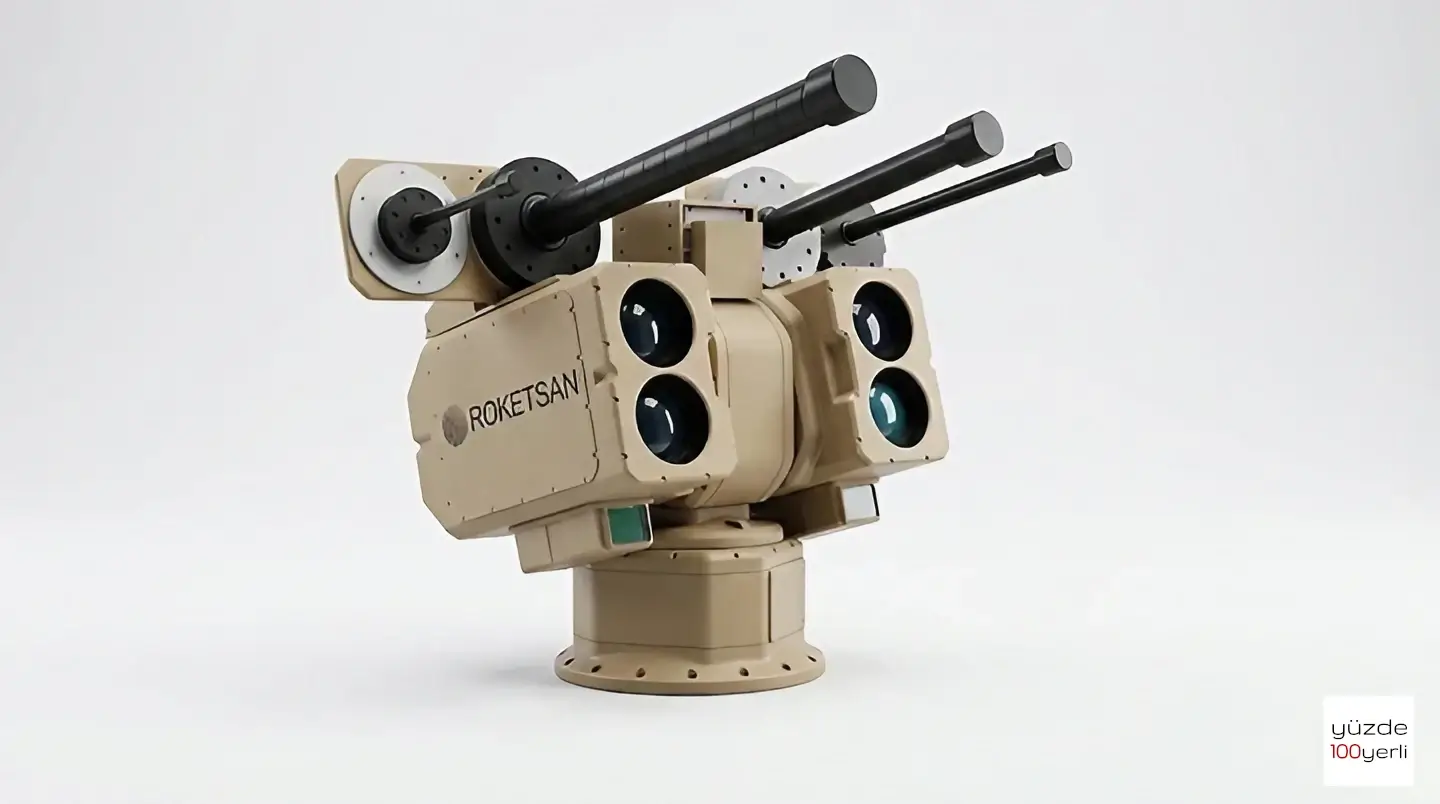
Developed by ROKETSAN ALKA, ALKA is a hybrid system specifically developed against swarm drones and improvised explosive devices (IEDs). What makes ALKA special is its ability to use two different capabilities against the target simultaneously:
- Electromagnetic Interference (Soft Kill): First, it attempts to weaken or derail the threat by jamming its signals.
- Laser Destruction (Hard Kill): If mixing them together isn't enough, it fires its high-powered laser, burning the target in mid-air or detonating its explosive charge.
ALKA is a silent and effective guardian in protecting residential areas or critical facilities (refineries, nuclear power plants, etc.).
GÖKBERK: Mobile Laser Weapon System (ASELSAN)
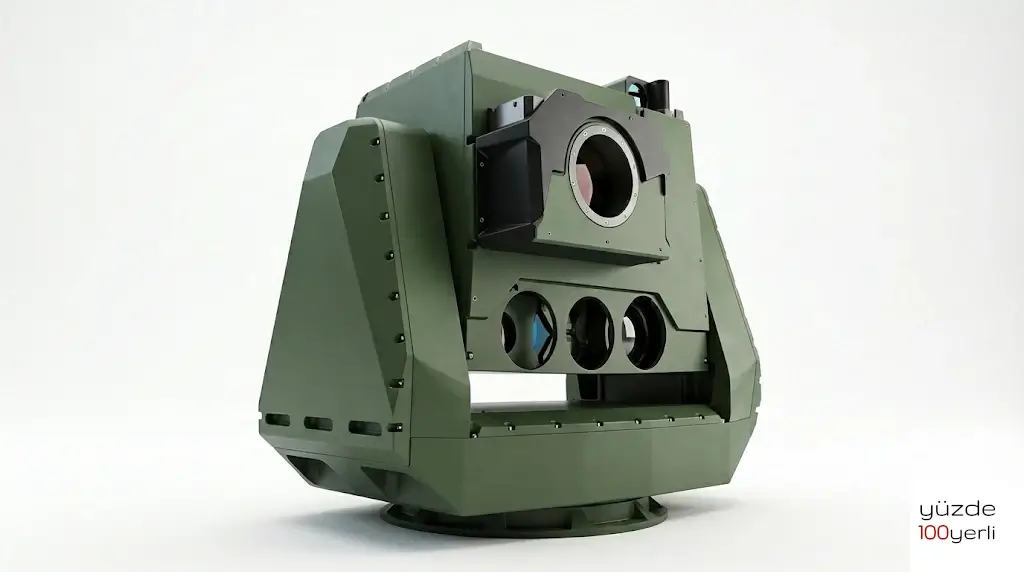
Developed by ASELSAN GÖKBERK, This laser weapon is the laboratory-developed, field-ready version. Integrated onto a 6x6 tactical wheeled vehicle, the system houses radar, electro-optical sensors, and a laser weapon all in one platform.
Technical Advantages
- Speed: Engagement at the speed of light (300,000 km/h).
- Logistics: There's no shortage of ammunition. As long as the vehicle has fuel and electricity, it can fire unlimited shots.
- Sensibility: It can capture the camera or wing of a drone with millimeter precision.
- Duty: It has the potential to destroy not only UAVs/drones but also artillery ammunition and mortars in the air.
Command and Control (The Brain of the Steel Dome)
The best missile or the most powerful radar cannot deliver full performance on the battlefield if it doesn't work in an integrated way. The real power that transforms the "Iron Dome" from a simple pile of weapons into an impenetrable shield is what connects all the components. Command and Control They are software.
HERİKKS: Air Defense Early Warning and Command and Control System
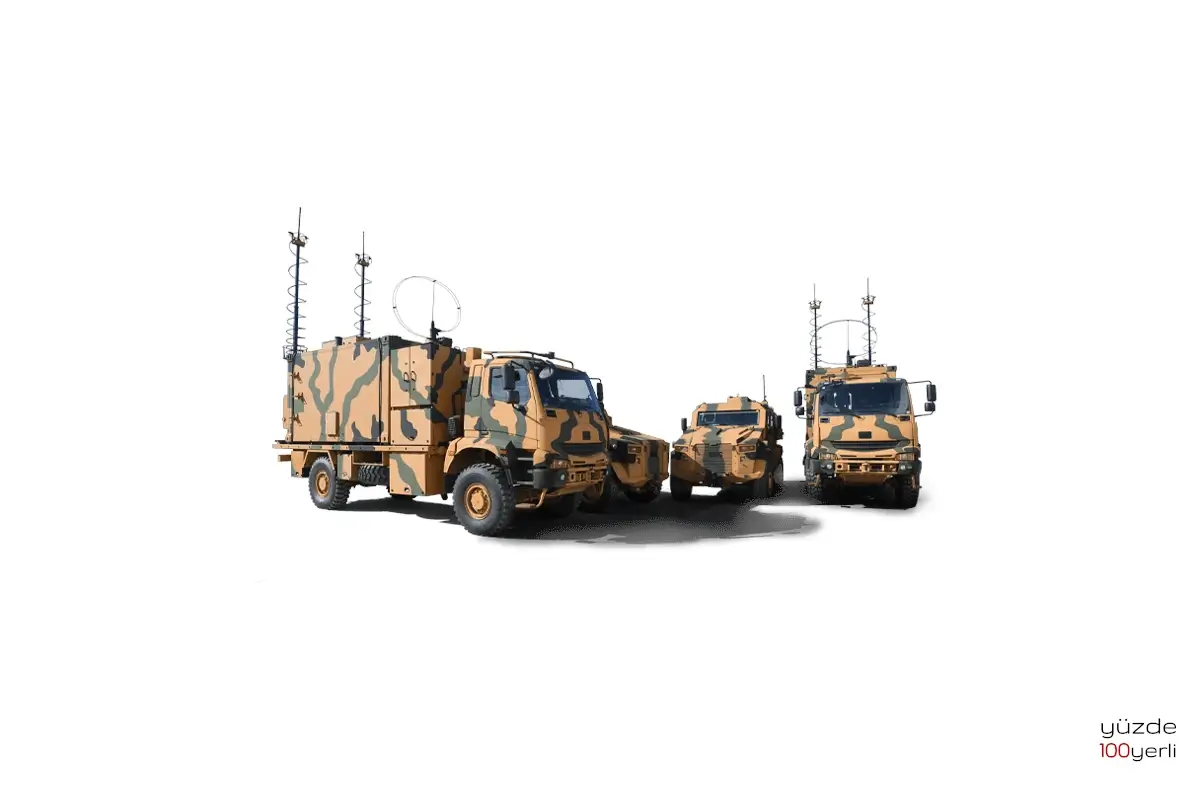
Developed by ASELSAN HERIKKS, The tactical system is the "orchestra conductor" in the field. It collects and combines (fusions) data from all radars in the field (Shield, EIRS, MAR, etc.) and creates a real-time "Air Picture".
How does HERİKKS work?
Let's say a threat approaches from the border. HERIKKS;
- It identifies threats and distinguishes between friend and foe.
- It calculates the threat's trajectory and speed.
- It automatically selects the most suitable weapon (KORKUT, HİSAR, or SİPER?) to engage the threat and transmits the "Fire" command to the relevant battery.
This process happens in seconds and minimizes human error.
HAKIM: Air Command and Control System
JUDGE The project is a strategic software that can work integrated not only with Türkiye's air forces but also with those of friendly and allied countries (for example, Azerbaijan). HAKİM, which can enable different types of sensors and weapons to communicate on the same network regardless of brand/model, manages the "Sensor to Shooter" loop at the highest level. Thanks to this software, the Steel Dome system acts as a single, unified body on a national scale.
Türkiye's Air Defense Future Vision
Yuzde100yerli.com The massive structure we have examined step by step, ranging from barrel systems to ballistic missile interceptors, laser weapons to AI-powered command and control networks, is Türkiye's "Steel Dome".
The projects discussed in this article—KORKUT, HİSAR, SİPER, and GÖKHAN—are, individually, engineering marvels. However, combined, they represent the biggest break in Türkiye's defense doctrine. “"Independence."”
Having been forced to request Patriot or SAMP-T batteries from its allies for years, Turkey has risen to the position of a "game changer" by 2025, protecting its own airspace with its own algorithms and missiles, and even exporting this technology to the world. The Steel Dome is not only a military shield but also a strategic asset that strengthens Türkiye's hand at the diplomatic table.
What does the future hold for us?
The Steel Dome project is not a static entity, but a living and evolving organism. Here are some of the developments we expect to see in this architecture in the coming period:
- Hypersonic Defense: In later phases of the SİPER system, the capability to intercept hypersonic missiles flying at five times the speed of sound or more will be developed.
- Floating Fortresses of the Blue Homeland: The systems we are examining here (SİPER, GÖKDENİZ, HİSAR) can be integrated into naval platforms such as the TF-2000 Air Defense Destroyer, thus extending the defense line to the middle of the seas.
- AI-Powered Decision-Making: The HAKİM and HERİKKS systems are expected to achieve fully autonomous capabilities, making and implementing decisions within seconds without human intervention in the face of complex drone swarms and cyberattacks.
Please show your support.
If you enjoyed this comprehensive feature article where we examined Türkiye's "Steel Dome" shield in the skies in all its aspects, your support is very important to us.
- In your opinion, which is the most impressive system of the Steel Dome?
- What technologies would you like to see added to this system in the future?
Your opinions, criticisms, and anything you'd like to add in the comments section By sharing your thoughts with us, you can help our content reach a wider audience. We will continue to keep our finger on the pulse of domestic and national technology.
Keywords: What is Steel Dome, Turkish air defense systems, SIPER missile specifications, HISAR-O+ range, KORKUT air defense, GOKHAN ramjet missile, domestically produced laser weapon ALKA, Turkish defense industry projects.
