


Baykar announced that Bayraktar KIZILELMA, Turkey's first unmanned fighter jet, achieved another critical milestone in its flight on the last day of 2025. KIZILELELMA was in the sky with ASELSAN KARAT IRST system, which provides the “seeing without being seen” principle of modern air warfare.
The Turkish defence industry is closing the year 2025 with a technological show. In the images shared from Baykar Teknoloji's official account with the note “The last KIZILELMA flight of 2025’, a new optical window in the nose of KIZILELMA drew attention. This system was developed by ASELSAN and is considered a must-have for 5th generation fighter jets. KARAT Infrared Search and Tracking System (IRST). This test flight proves that KIZILELMA is not just an aeroplane, but is on its way to becoming a full-fledged “flying computer” with the sensor fusion on board.
KARAT IRST: The “Ghostbuster” Eye of REDELMA
KARAT, the focal point of the test flight, gives KIZILELMA a “Passive Detection” capability. So, what does this technically mean?
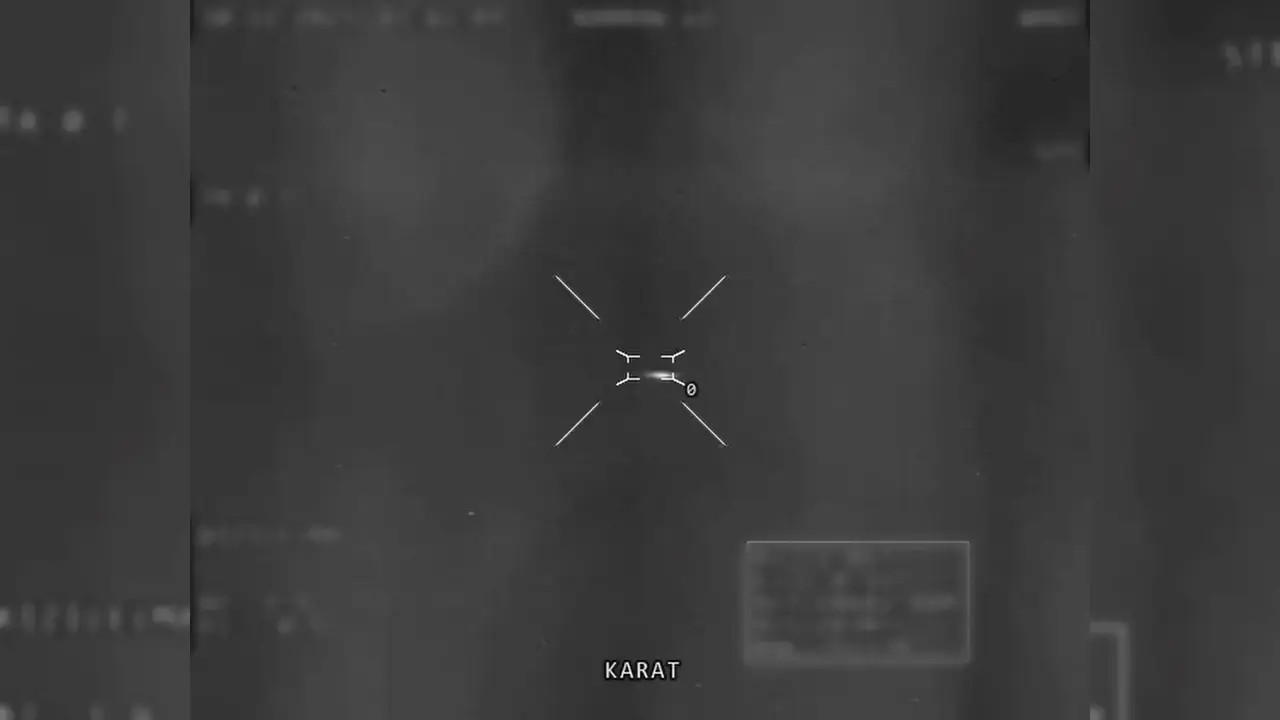
- Radar Silence: When fighter aircraft switch on radar (Active Sensor), they can be detected by the enemy. KARAT, on the other hand, does not emit radio waves; instead, it uses radio waves emitted by the engines or fuselages of enemy aircraft. heat (infrared signature) and detects the enemy. This allows KIZILELMA to detect and track the enemy from kilometres away without revealing its own position.
- Effectiveness Against Stealth Targets: Even “Stealth” aircraft, which are designed to avoid radar detection (low radar cross-sectional area), cannot hide the engine heat. By capturing this heat signature, KARAT turns KIZILELMA into a “Ghost Hunter”.
- Immunity to Electronic Warfare: While radar systems can be subject to electronic jamming, optically based IRST systems are not affected by such jamming.
KIZILELMA's Sensor Fusion Completed
KIZILELELMA, which gained “Active” visibility power with the integration of ASELSAN MURAT AESA Radar in the past period, has also included “Passive” visibility power with KARAT IRST.
- AESA Radar (Active): Long-range search and fire control.
- KARAT IRST (Passive): Silent tracking and stealth target detection.
- TOYGUN (EOTS): Targeting and locking on ground targets (underbody electro-optical system).
The combination of this trio brings KIZILELMA to the same sensor architecture as 5th generation manned fighter aircraft such as the F-35 and F-22.
Strategic Analysis: 2026 will be the Year of Mass Production
This success in the last hours of 2025 gives a clear message for 2026: The integration process has matured. The serial production schedule, which Baykar Chairman Selçuk Bayraktar had previously pointed out, continues to operate with the verification of these critical subsystems (Engine, Radar, IRST).
The vision of “national intelligence for flying platforms”, which has been frequently emphasised by Ahmet Akyol, the General Manager of ASELSAN, has become concrete with the successful flight of KARAT over KIZILELMA. This development announces to the world that Turkey has an unmanned platform capable of conducting air-to-air combat with its own sensors and software, without being subjected to embargoes.
Conclusion: 2025 was the year when platforms met the sky; 2026 will be the year when these platforms start to “see, hear and hit” and gain full operational capability.
Keywords: Baykar, KIZILELMA, ASELSAN KARAT, IRST, Infrared Search and Track, Unmanned Combat Aircraft, 2025 Test Flight, Defence Industry.
