


The ongoing conflict in Sudan, a strategic point in Africa, has witnessed a technological duel that will go down in modern warfare history as an Electronic Warfare Supported UAV Operation. The Sudanese Army used the Bayraktar AKINCI to destroy a Chinese-made FK-2000 air defense system, which had previously intercepted drones. So, how did a radar-equipped system designed to hunt aircraft and UAVs fail to protect itself? The answer lies in the invisible power under AKINCI's wings: ASELSAN ANTIDOT.
The battlefield is the most ruthless testing ground for technology. The footage emerging from the South Kordofan region of Sudan proved that the Turkish defense industry exports not just flying platforms but flying intelligence. The advanced FK-2000 air defense system, operated by the Rapid Support Forces (RSF) in the region, was destroyed by the AKINCI UCAV coming to hunt it, before it could detect or engage the drone.
According to experts, behind this success lies the perfect synchronization of Soft Kill (Electronic Jamming) and Hard Kill (Physical Destruction) capabilities.
The Power That Blinds Radars: ASELSAN ANTIDOT
Hybrid air defense systems like the FK-2000 (combining missiles and guns) rely on radar data to detect and lock onto targets. The secret to AKINCI's ability to enter this lethal circle and destroy the system lies in the ANTIDOT 2-U Electronic Warfare Pod family developed by ASELSAN.
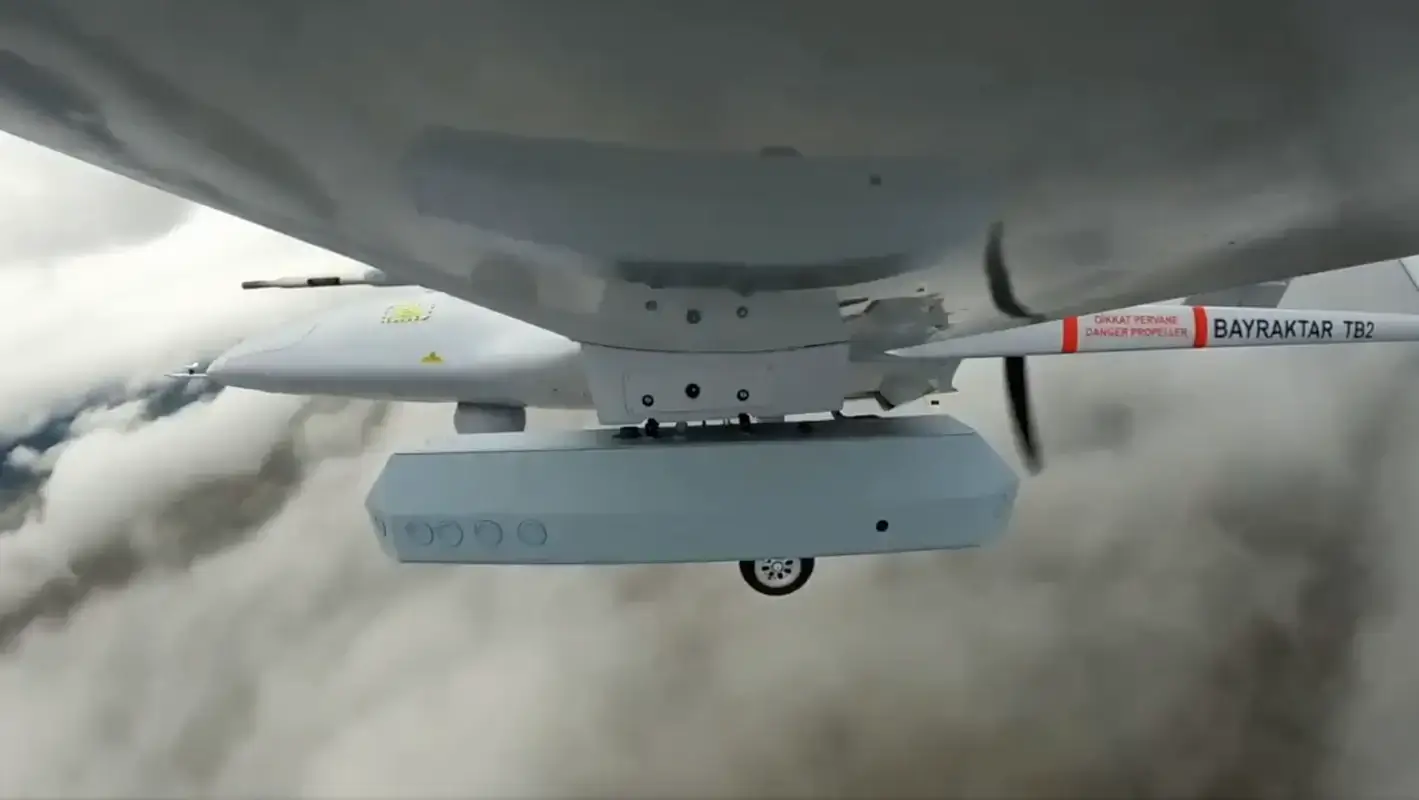
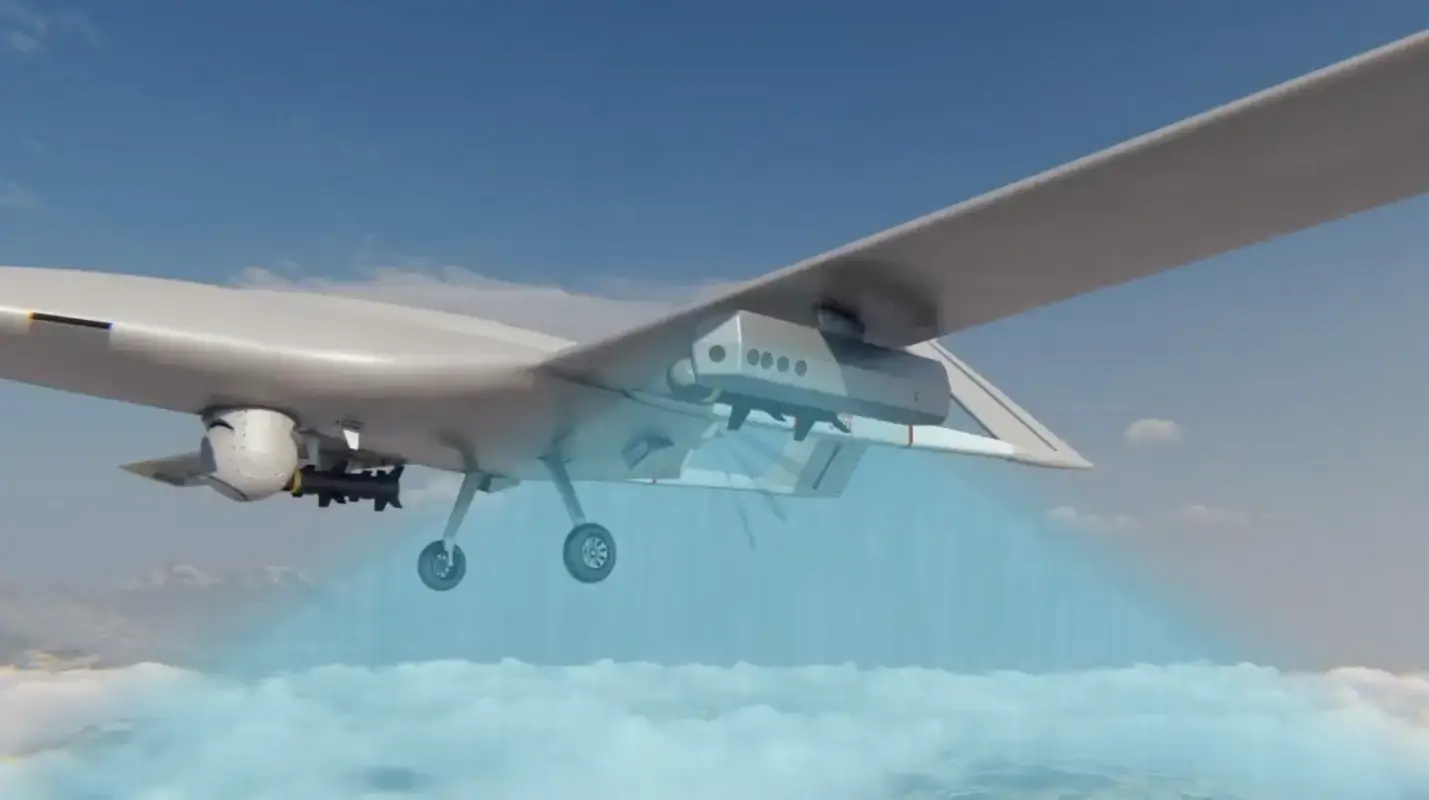
Transforming UAVs from mere bombers into airborne electronic warfare stations, the ANTIDOT system appears to have undertaken the following critical roles in the operation:
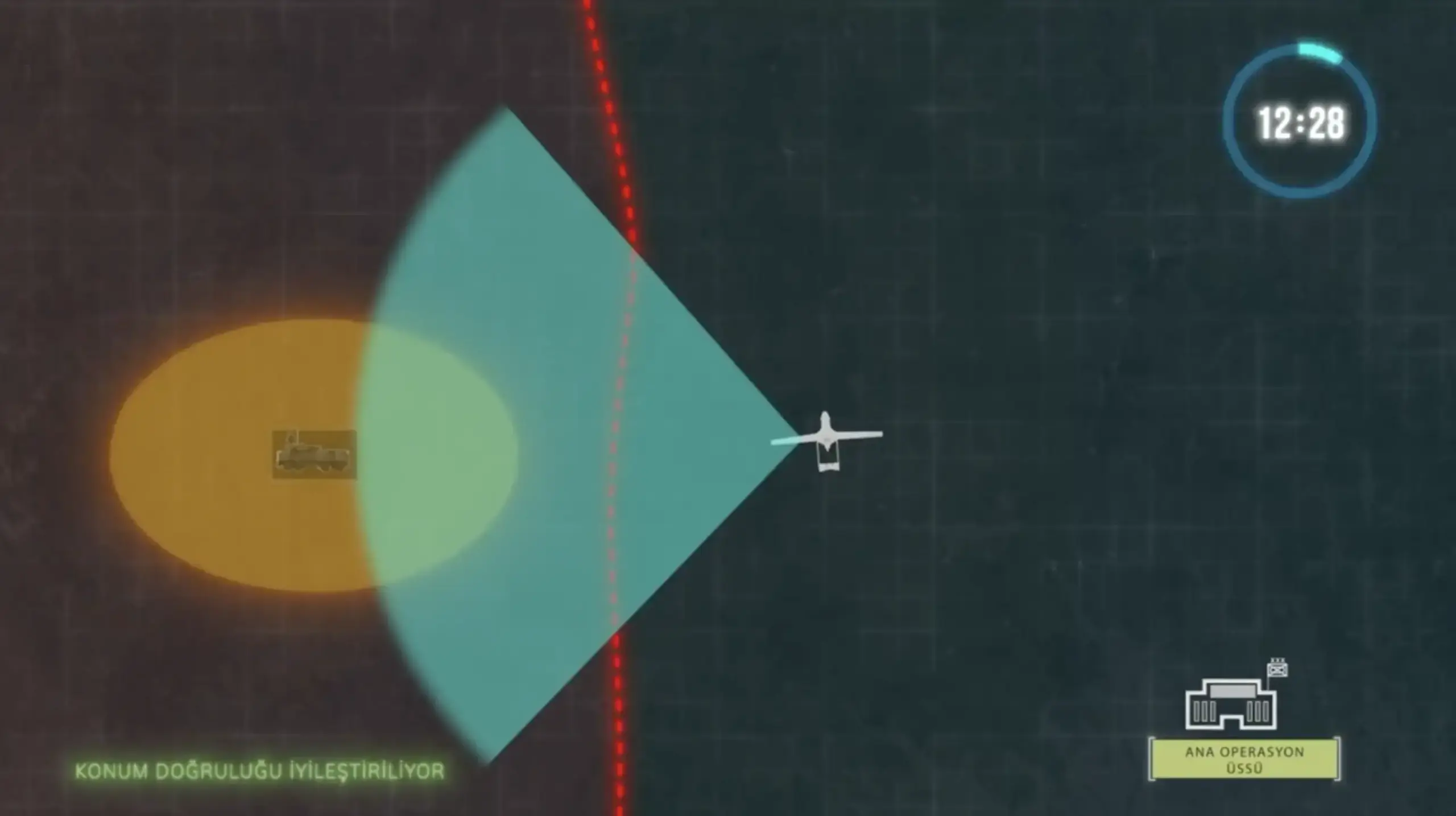
- Detection and Identification: Thanks to the sensitive receivers (RWR/ESM) on the ANTIDOT, AKINCI detected the FK-2000's radar signals from a long distance, well before entering the system's engagement range. In other words, while the enemy was wondering "Do they see me?", AKINCI had already decoded their frequency.
- Deception and Jamming: The ANTIDOT system copied and manipulated the enemy radar signals using its DRFM (Digital Radio Frequency Memory) technology. It likely created hundreds of false targets on the FK-2000 radar screen (Deception) or completely blinded the radar (Noise Jamming).
- Safe Corridor: The air defense system operator, faced with a snowy radar screen or one filled with false targets, could not understand where the real AKINCI was approaching from.
The Roketsan Signature: A "Surgical" Strike on the Blinded Target
An electronically paralyzed or blinded air defense system is the easiest target on the battlefield. After the "eyes" of the FK-2000 were shut by the ASELSAN ANTIDOT system, Roketsan's smart munitions took the stage.
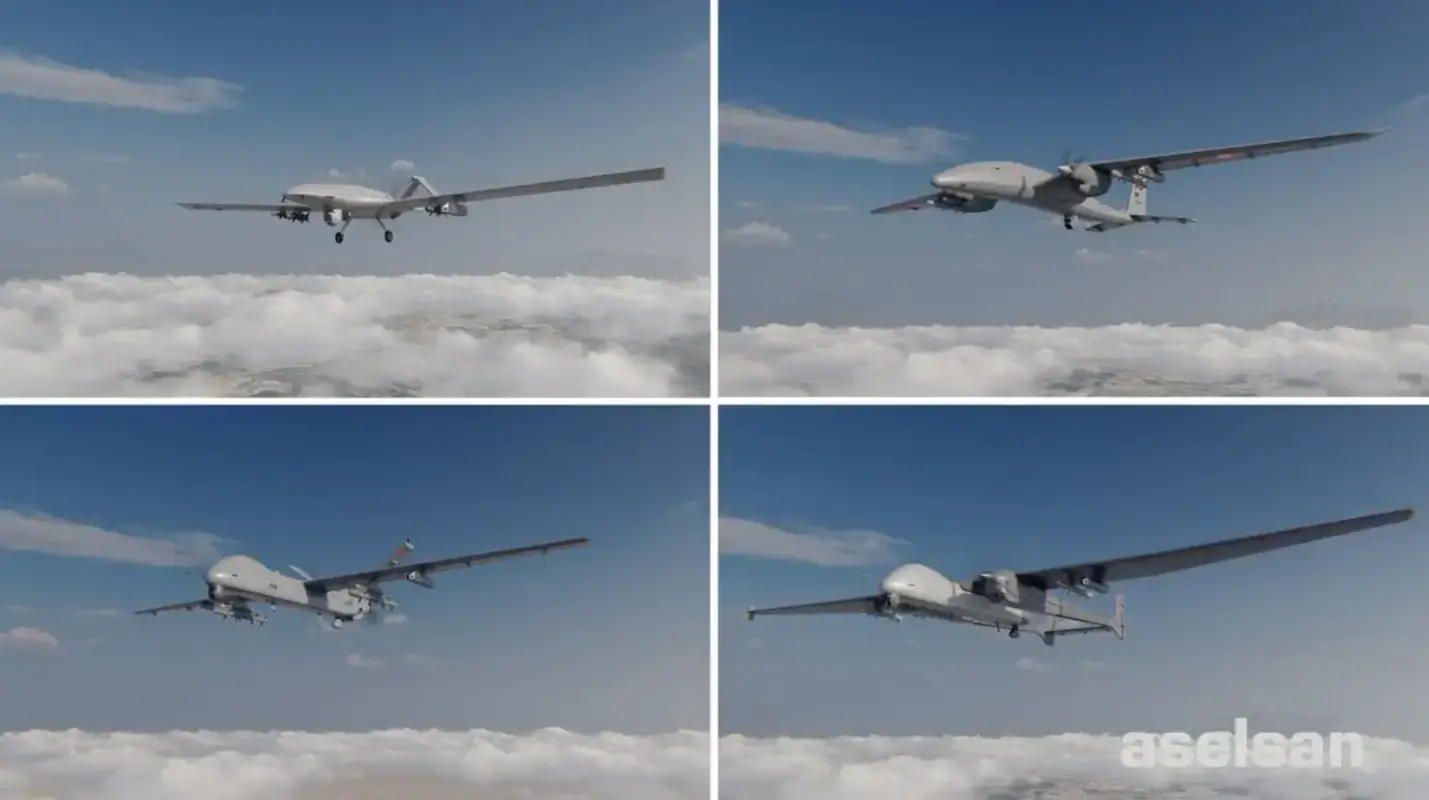
Operational analyses indicate the use of long-range MAM-T or armor-piercing MAM-L munitions. Shooting from a safe altitude and distance thanks to the protection shield provided by ANTIDOT, AKINCI disabled the multi-million dollar system with a single munition.
Why Did the Chinese System Fail?
This event does not mean that the Chinese-made FK-2000 is a "bad" system. The destruction of this system, which is quite capable on paper, demonstrates the "Integrated Warfare" capability of the Turkish defense doctrine.
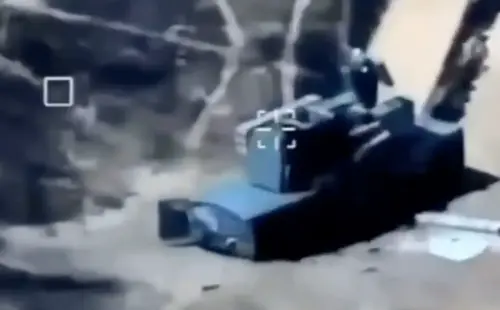
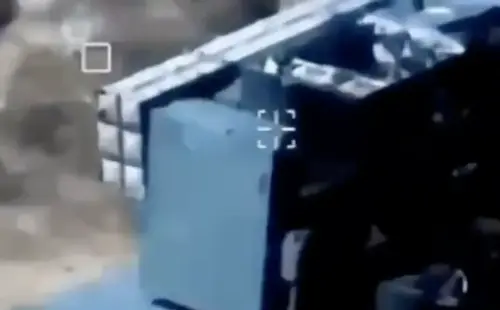
Even the world's best air defense system can be rendered dysfunctional when suppressed with the right electronic warfare tactics and electronic countermeasures (ECM). Türkiye, having successfully applied the Blind and Shoot (DEAD - Destruction of Enemy Air Defense) tactic against Russian Pantsir systems in Syria and Libya, and S-300s in Karabakh, has now registered the deterrence of the AKINCI-ANTIDOT-MAM trio in Africa as well.
The Rules of the Game Have Changed
This encounter in the Sudanese skies showed that UAVs are no longer defenseless prey. Turkish UAVs equipped with systems like ASELSAN ANTIDOT have ceased to be a target for air defense systems and have instead become their biggest nightmare.
