


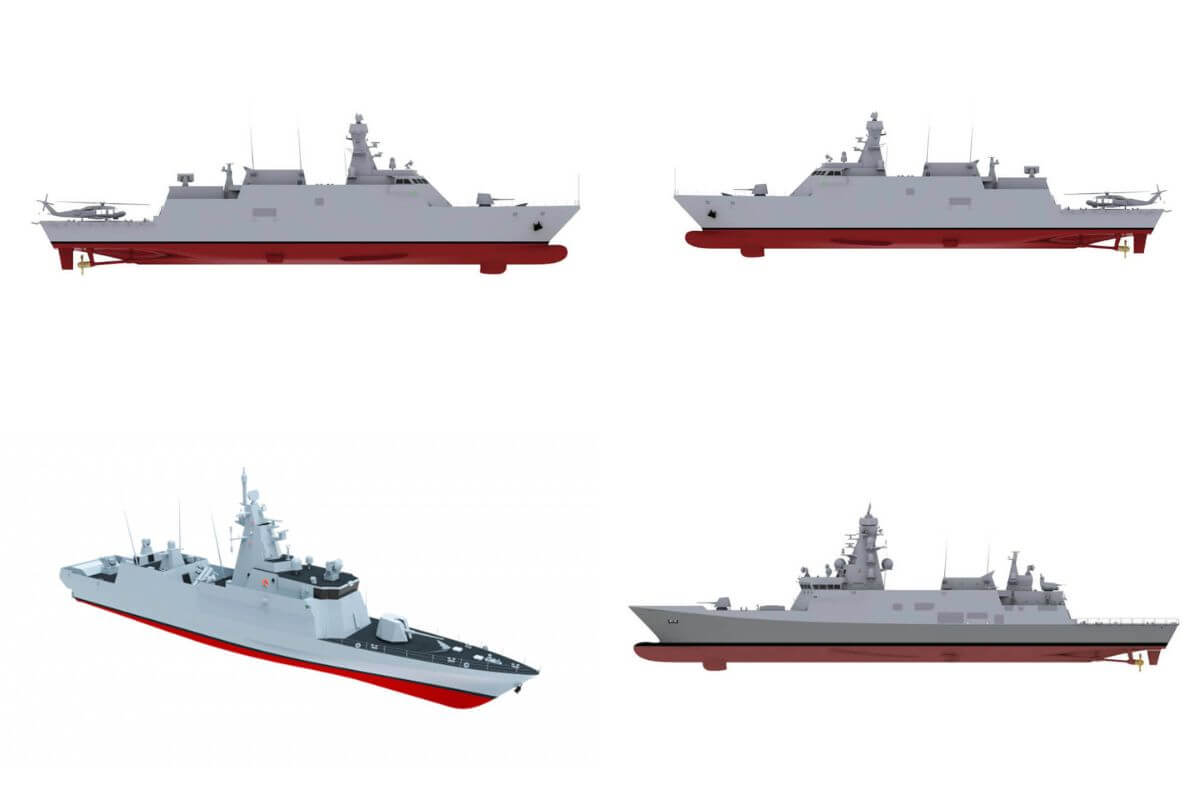
The Turkish Navy continues to take significant steps in the development of domestically produced warships. One of the most important of these steps is the MİLGEM project, managed by the Turkish Navy.
The MİLGEM project is a project initiated by the Turkish Navy to design, develop, and build entirely domestically produced corvettes using its own resources. The project aims to build warships using Türkiye's domestic resources as much as possible, and to improve national military shipbuilding capacity and skills. It officially came to life in 2004 when the Istanbul Shipyard Command established the MİLGEM Project Office. The first ship, the ADA-class TCG Heybeliada (F511), began construction in 2005 and was launched in 2011. Local suppliers also play a significant role in the project. For example, Turkish defense companies such as Aselsan and Havelsan have played a crucial role in developing local subcomponents for the command and control and electronic warfare management systems. The ships produced under the MİLGEM project include four Ada-class anti-submarine warfare corvettes and one intelligence corvette, four İstif-class multipurpose frigates, and 4 + 4 TF-2000-class air defense destroyers. Although not developed under the MİLGEM project itself, the flagship, which can be considered the final step of the MİLGEM project, is the TCG Anadolu.
We have tried to explain the purpose of the MİLGEM project, its importance for Türkiye, and its outcomes in general. Here are the ships that have been produced and entered the inventory, are under production, and are in the project phase within the scope of the MİLGEM project.
ADA Class Corvette
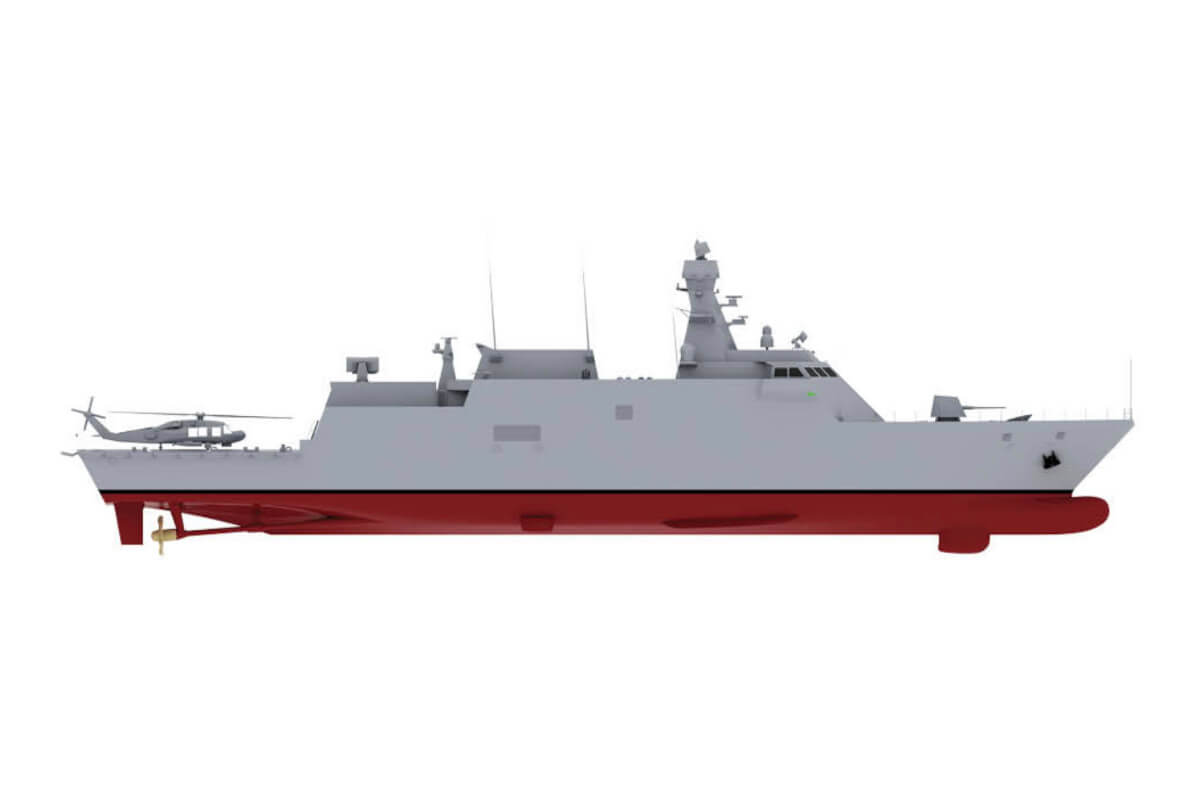
The ADA-class corvettes are a class of corvettes developed for the Turkish Navy as part of the MİLGEM project. The Turkish Navy has commissioned all four ADA-class corvettes, and new ships of the same class are being produced for the Ukrainian and Pakistani navies.
The design objective of the ADA class is to build a modern littoral combat ship equipped with anti-submarine warfare (ASW) and offshore patrol capabilities, while extensively incorporating stealth technology principles in its design.
ADA class corvettes have a displacement of 2,400 tonnes, with a length of 99.56 metres and a beam of 14.40 metres. The draught is 3.90 metres. Propulsion power is provided by a CODAG (Combined Diesel and Gas) system consisting of 2 diesel engines and 1 gas turbine. The vessels have a maximum speed of 29+ knots, and their range is stated as 3,500 nautical miles at an economical speed of 15 knots.
ADA class corvettes are equipped with: one 76mm OTO Melara main gun, one RIM-116 RAM Point Defence Missile System (PDMS), eight surface-to-surface missiles (Harpoon or Atmaca), two ASELSAN STAMP (12.7 mm Stabilised Machine Gun Platforms), and twin 324 mm Mk 32 torpedo tubes for anti-submarine warfare. The vessels also carry two rigid-hulled inflatable boats (RHIB) and have a platform and hangar for one 10-ton class helicopter (such as the S-70B Seahawk).
When discussing ADA class corvettes, it would be meaningful to open a separate paragraph for the ship TCG Ufuk. TCG Ufuk was built on the ADA class corvette hull form produced as a result of the MİLGEM project but differs in equipment from the ADA class corvettes. TCG Ufuk is a Test and Training (Intelligence) ship capable of conducting signals intelligence (SIGINT) and electronic intelligence (ELINT) operations. It also has a helicopter platform suitable for the landing and take-off of 10-ton class helicopters; however, unlike the MİLGEM corvettes, it does not have a helicopter hangar, as this space is instead utilised for advanced electronic systems. The ship does not carry heavy weapon systems (such as CIWS) due to its mission profile.
List of ADA Class Corvettes
The names and hull numbers of the ADA-class corvettes that have entered the inventory of the Turkish Navy are as follows:.
- TCG Heybeliada (F-511)
- TCG Büyükada (F-512)
- TCG Burgazada (F-513)
- TCK Kınalıada (F-514)
- TCG Ufuk (A-591)
Stacked "I" Class Frigate
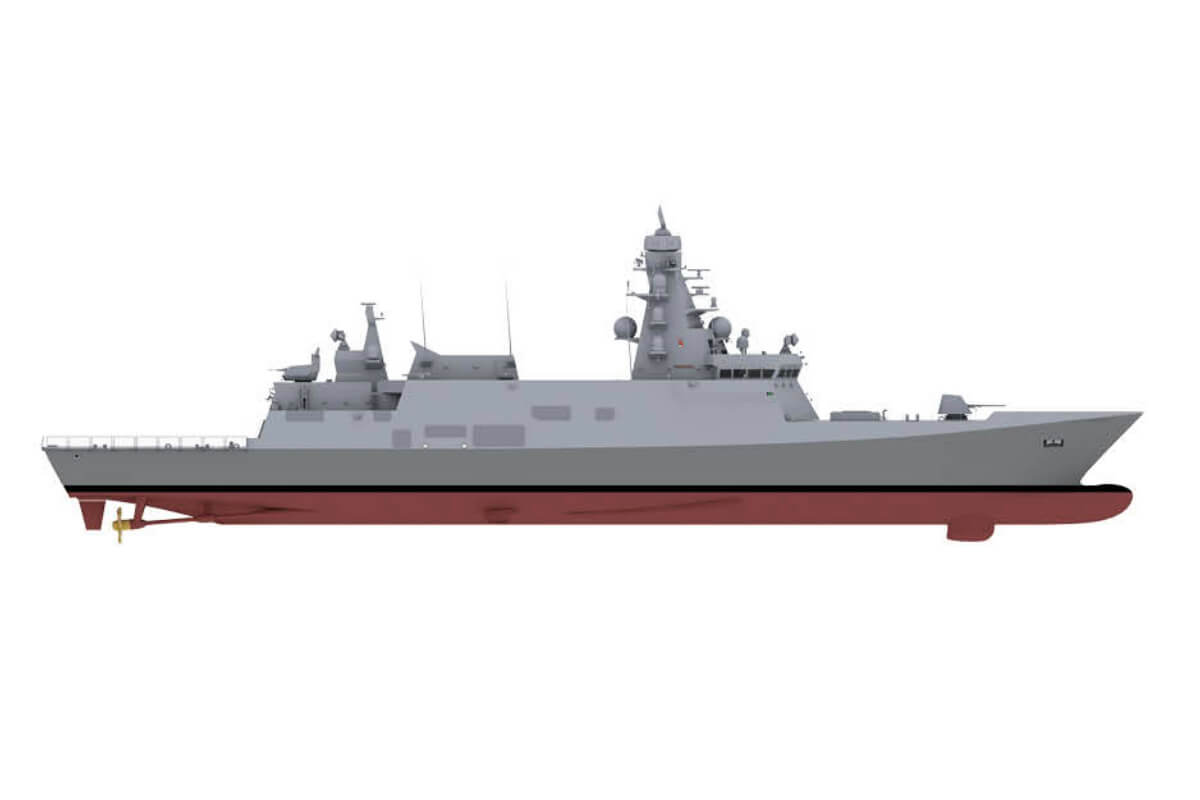
The İstif-class frigates are a class of frigates developed for the Turkish Navy as part of the MİLGEM project. The İstif-class frigates are notable for their anti-submarine warfare, surface and air defense capabilities, advanced patrol activities, reconnaissance, surveillance, target detection, identification, recognition, and early warning features.
The first ship of the İstif-class frigates, TCG İstanbul (F-515), was commissioned into the Turkish Naval Forces inventory on January 19, 2024. An enlarged derivative of the ADA-class corvettes, the İstif-class frigates have a displacement of approximately 3,000 tonnes, with a length of 113.2 metres and a beam of 14.40 metres. The draught is 4.05 metres. Propulsion power is provided by a CODAG (Combined Diesel and Gas) system consisting of 1 gas turbine and 2 diesel engines. The vessels have a maximum speed of 29+ knots (54+ km/h), and their range is stated as 5,700 nautical miles (approximately 10,500 km) at an economical speed of 14 knots.
İstif-class frigates are equipped with one 76 mm MKE National Naval Gun as their main battery, including on the first ship, TCG İstanbul. For close-in air defence, the vessels carry one ASELSAN GÖKDENİZ Close-In Weapon System (CIWS) and two ASELSAN STOP 25 mm Remotely Controlled Weapon Systems against asymmetric threats. For the air defence umbrella, a 16-cell MİDLAS (National Vertical Launching System) is integrated into the ships, capable of launching HİSAR-D RF and SİPER missiles from these launchers. Against surface targets, there are 16 (4×4) Atmaca anti-ship missiles and two 324 mm twin torpedo tubes for anti-submarine warfare. The vessels also carry two rigid-hulled inflatable boats (RHIB), along with a platform and hangar capable of accommodating one 10-ton class helicopter and unmanned aerial vehicles (UAVs).
List of Class I Corvettes
The names and hull numbers of the Class I frigates that have entered the inventory of the Turkish Navy are as follows:.
- TCG ISTANBUL (F-515)
- List of İstif-class corvettes that have been launched but have not yet entered service:
- TCG İZMİR (F-516)
- TCG İZMİT (F-517) -> Exported to Indonesia.
- TCG İÇEL (F-518) -> Exported to Indonesia.
- TCG AKDENİZ (F-519)
TF-2000 Destroyer
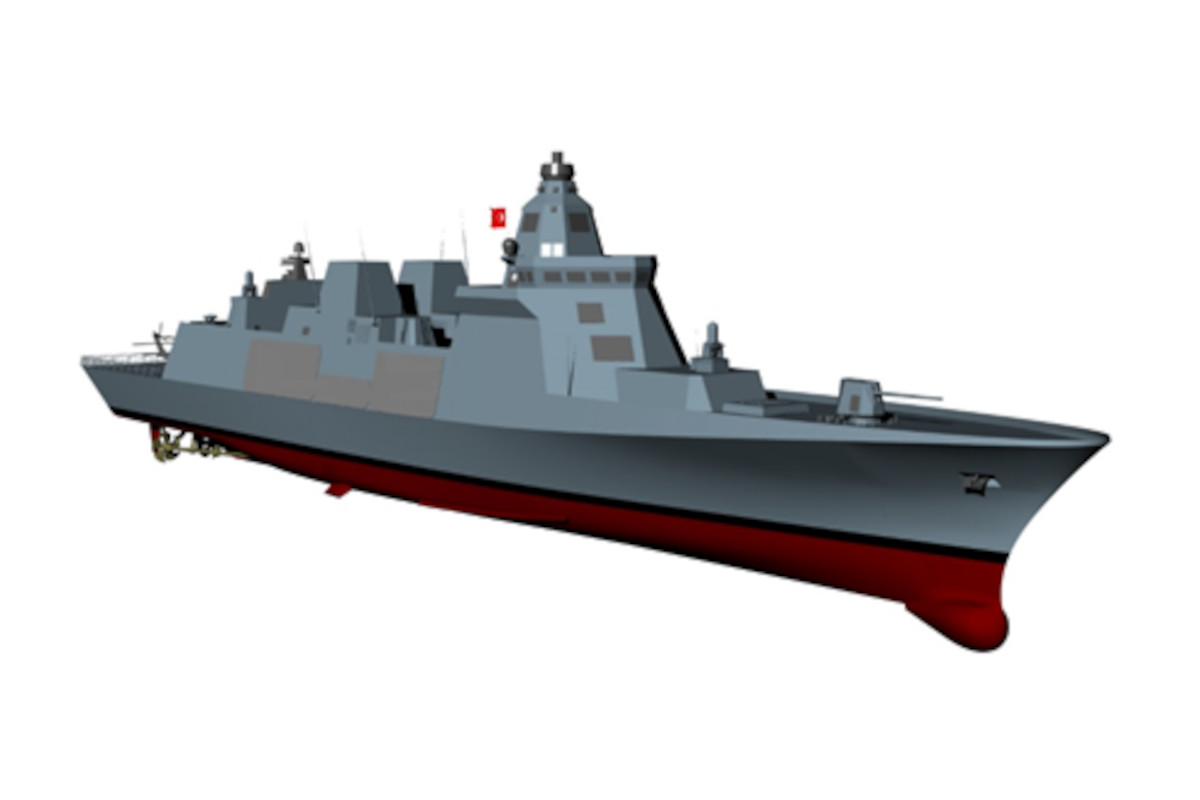
The TF-2000 class air defence warfare destroyers represent the largest and most capable warship class developed for the Turkish Naval Forces within the scope of the MİLGEM project. The class, which will be built at the Istanbul Shipyard Command under the main contractor ASFAT instead of the Gölcük Shipyard, and is planned to consist of a total of 7 to 8 ships, aims to elevate the Turkish Naval Forces' area air defence capabilities to a strategic level.
With the latest design updates, TF-2000 class destroyers have a displacement of approximately 8,300 tonnes, with a length of 149 metres and a beam of 21.3 metres. The draught is 5.75 metres. Propulsion power will be provided by a CODOG (Combined Diesel or Gas) system consisting of 2 gas turbines and 2 diesel engines, instead of CODLOD. The vessels have a maximum speed of 26+ knots, and the crew capacity ranges from 180 to 210 personnel.
The heart and primary sensor power of the class will be the ASELSAN-produced ÇAFRAD (Multi-Purpose Phased Array Radar). TF-2000 destroyers will be equipped with a 96-cell MİDLAS (National Vertical Launching System) instead of 64, capable of launching SİPER, HİSAR-D RF, and SAPAN air defence missiles, as well as Gezgin cruise missiles from these launchers. Replacing foreign-origin weapons, the ship will feature: a 127 mm main gun, Atmaca anti-ship missiles, ASELSAN GÖKDENİZ and Göksur (or ROKETSAN Levent) missiles for close-in air defence, 4 ASELSAN STOP 25 mm guns against asymmetric threats, and indigenous torpedo launchers. Furthermore, the vessels will include a spacious platform and a twin hangar capable of simultaneously accommodating two 10-ton class helicopters (such as the Sikorsky S-70B) and unmanned aerial vehicles (GİHA).
The construction of the first vessel of the TF-2000 class destroyers, which will be the most critical naval component of Türkiye's layered air defence network (the "Steel Dome"), is planned to commence and enter service around 2027-2028.
Hisar Class Offshore Patrol Vessel
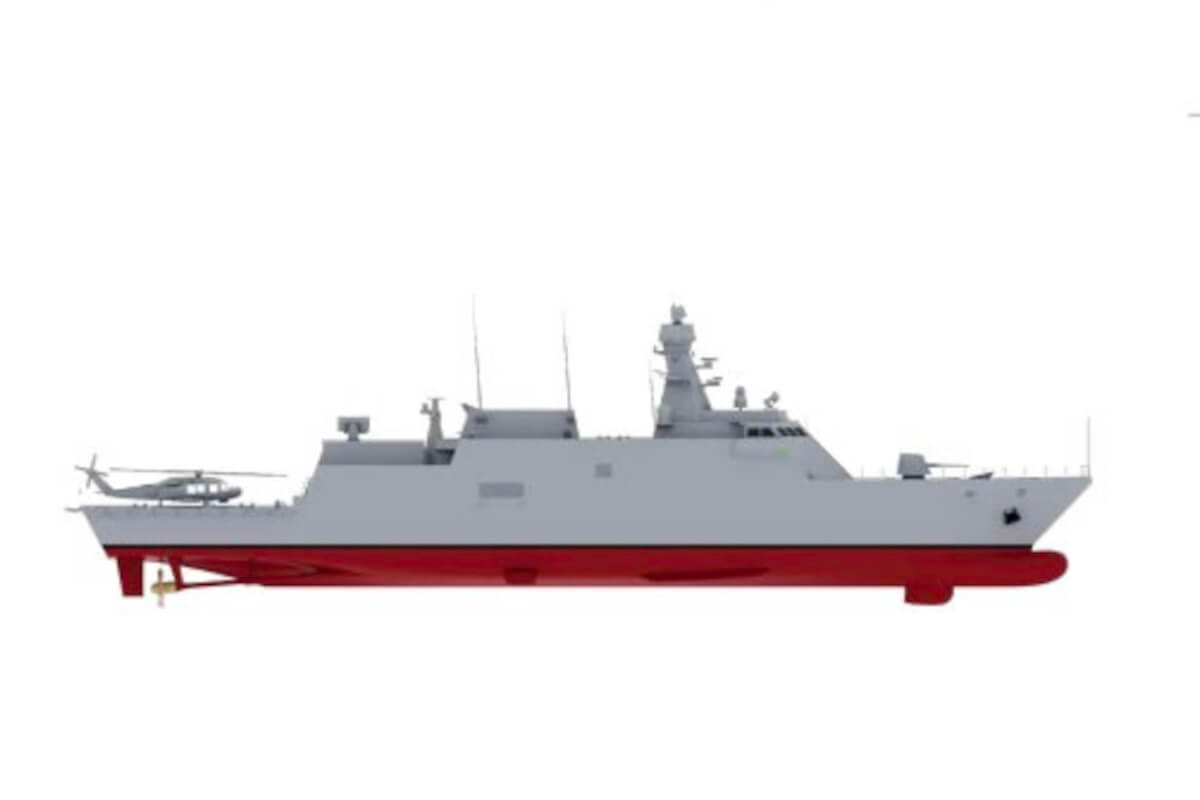
The Hisar-class offshore patrol vessels are a patrol vessel class developed for the Turkish Naval Forces. Developed based on the design of the ADA-class corvettes, Hisar-class vessels are designed with the capacity to economically and effectively carry out missions including intelligence, surveillance, reconnaissance, counter-piracy, protection of marine resources, establishing maritime security, humanitarian aid in natural disasters, and search and rescue operations. Within the scope of the project, it is planned to produce a total of 10 Hisar-class offshore patrol vessels for the Turkish Naval Forces.
The peacetime main weapon configuration of the Hisar-class offshore patrol vessels consists of one 76 mm MKE National Naval Gun located on the bow and two 12.7 mm Remotely Controlled Weapon Systems (ASELSAN STAMP or UNIROBOTICS Targan) against asymmetric threats. The ships are designed with a "fitted for but not with" concept to be rapidly equipped with heavy weapons during crises or wartime, and their infrastructure is fully suitable for integrating one ASELSAN GÖKDENİZ Close-In Weapon System, HİSAR air defence missiles, Atmaca anti-ship missiles, and Anti-Submarine Warfare (ASW) rockets. Additionally, for special operations and patrol missions, the vessels carry two rigid-hulled inflatable boats (RHIB) and have a platform and hangar capable of accommodating one 10-ton class helicopter and unmanned aerial vehicles (GİHA).
Hisar-class offshore patrol vessels have a displacement of 2,300 tonnes, with a length of 99.56 metres and a beam of 14.42 metres. The draught is 3.90 metres. The propulsion system of the vessels features a CODELOD (Combined Diesel-Electric or Diesel) configuration consisting of 4 diesel and 2 electric motors to ensure fuel efficiency. The vessels have a maximum speed of 24 knots (approximately 44 km/h), an economical cruising range of 4,500 nautical miles (8,300 km), and their endurance at sea without replenishment is stated as 21 days.
List of Hisar Class Offshore Patrol Vessels
The names and hull numbers of the Hisar-class offshore patrol vessels that have entered the inventory of the Turkish Navy are as follows:.
- TCG Akhisar (P-1220) -> Exported to Romania
- TCG Koçhisar (P-1221) -> Sea Begins
- TCG Seferihisar (P-1222) -> Steel cutting was done on December 20, 2025.
Turkish Type Attack Boat
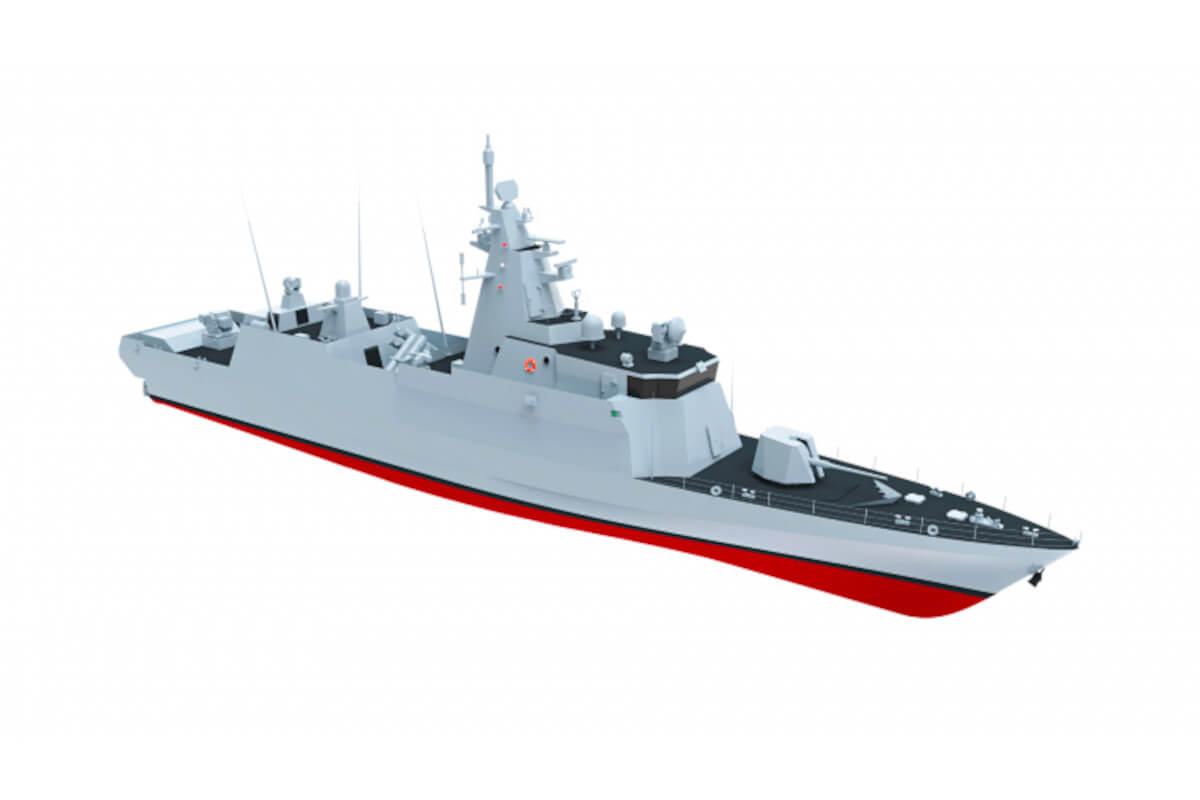
The Turkish Type Fast Attack Craft Project is a project for fast attack crafts designed for use by the Turkish Navy. Carried out by STM Defense, the project encompasses the definition of system requirements, concept selection, preliminary design, and contract design activities for the Turkish Type Fast Attack Craft, which are planned to be procured for the purpose of destroying/neutralizing enemy elements and ensuring the survivability of the Turkish Navy.
Turkish-type attack boats are designed to perform surface and air defense warfare and patrol missions in open seas under severe sea and weather conditions. The first phase of the project will be design, the second phase will be prototype production, and the final phase will be mass production.
There is not much information available yet about the specifications of the Turkish-type attack boats. However, according to statements made by STM Defense, these attack boats are single-hulled vessels equipped with a gas turbine propulsion system.
LHD Class (Helicopter Carrier with Dock)
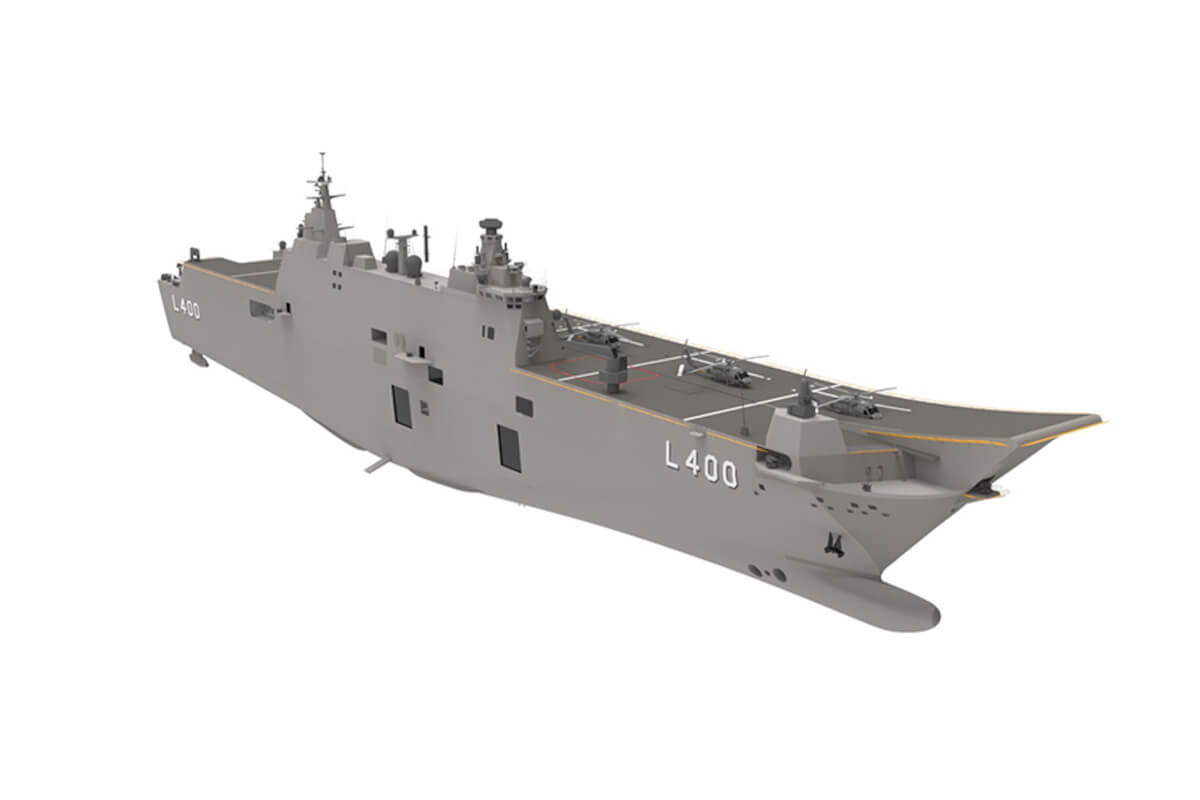
The TCG Anadolu, completed as part of the LHD Class (Helicopter Dock) project, is not a MİLGEM (National Ship Project) vessel. TCG Anadolu is the Turkish Navy's new amphibious assault ship and light aircraft carrier; it is the largest ship in our navy and also our flagship.
TCG Anadolu is a customized version of the Spanish Juan Carlos I-class amphibious assault ships, tailored to the needs of the Turkish Navy. Scheduled to enter service in 2023, TCG Anadolu is the largest ship in the Turkish Navy. It was built at Sedef Shipyard.
The ship's weapon systems, combat management system, electronic warfare systems, infrared search and tracking system, electro-optical search system, laser warning system, torpedo defense system, radars, communication systems, navigation systems, and information distribution systems have been developed using domestic resources. Furthermore, work is ongoing to enable Bayraktar TB3 UAVs and KIZILELMA unmanned combat aircraft to land and take off from the ship's upper deck.
TCG Anadolu has a displacement of 27,436 tons, is 232 meters long and 32 meters wide. With a draft of 6.9 meters, the ship's propulsion system consists of 4 diesel and 2 electric motors. The ships have a maximum speed of 21 knots (39 km/h; 24 mph) and a stated range of 9,000 nautical miles (17,000 km; 10,000 mi).
List of LHD Class (Helicopter Dock) Ships
The names and hull numbers of the LHD (Landing Helicopter Dock) class ships that have entered the inventory of the Turkish Navy are as follows:.
- TCG Anadolu (L400)
Naval Supply and Combat Support Ship (DSMS)

The DİMDEG project is one of the most critical links in the Turkish Navy's goal of becoming a "Blue Water Navy." Developed to enable our warships to operate for extended periods in the open seas and oceans without needing port support, this project forms the logistical backbone of our navy. These massive platforms, built domestically by Sefine Shipyard, provide fuel, water, food, spare parts, and ammunition to ships at sea, extending the operational range of the Turkish fleet to intercontinental levels.
The ships added to the inventory under the DİMDEG project and their specifications are as follows:
- TCG Derya (A-1590)
Following TCG Anadolu, TCG Derya, the second largest floating platform in the Turkish Navy, is much more than just a logistics ship; it is a "floating fortress." With a displacement of 26,000 tons and high speed, TCG Derya can keep pace with the warships in its task force and has the capability to resupply multiple ships simultaneously.
Not limited to logistical support, the ship is an effective combat platform equipped with domestically produced weapons such as the Command and Control Systems and the ASELSAN-manufactured GÖKDENİZ Close-in Air Defense System. With a wide range of missions from humanitarian aid operations to overseas military operations, TCG Derya is the most concrete evidence of the Turkish Navy's global power projection capability.
National Aircraft Carrier (MÜGEM)
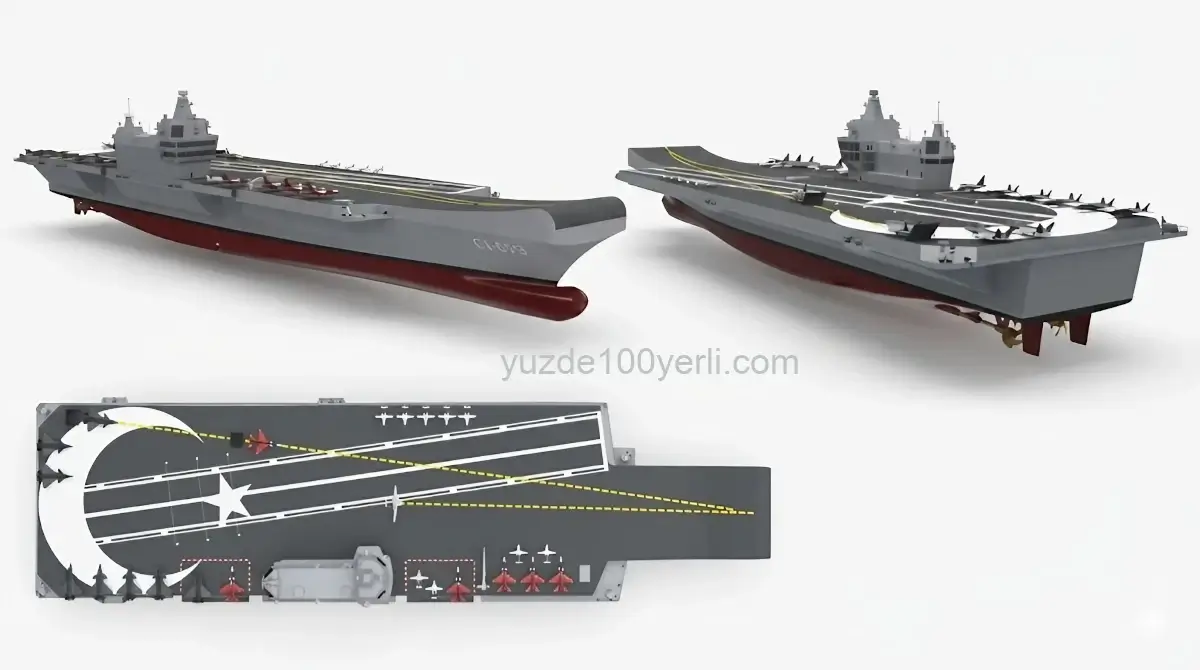
This magnificent aircraft carrier, not part of the Milgem project but designed by the Naval Forces Command Design Project Office, is being designed to meet modern defense needs. Planned to be 285 meters long, 72 meters wide, and have a displacement of 60,000 tons, the ship will be capable of reaching a speed of 25 knots. It will feature a COGAG propulsion system and a STOBAR aircraft take-off/landing system. According to images shared by the Naval Forces Command Design Project Office, the ship's flight deck is spacious enough to accommodate multiple aircraft, and it has ample capacity for both UAVs (TB3, KIZILELMA), jets the size of the HÜRJET, and helicopters. The images shared by the DPO show a total of 23 air platforms on the ship's deck: 8 KIZILELMA, 6 HÜRJET, and 9 Bayraktar TB3. According to information available online, the National Aircraft Carrier will be able to house 30 different air platforms in its hangar. These features make Türkiye's first aircraft carrier a strategic asset in its regional and global naval power projection.
In Türkiye, many projects are progressing simultaneously to meet the needs of the Turkish Navy. Since it's impossible to cover all these projects in a single article, we wanted to focus on the warships that we believe are particularly important. We hope you enjoyed it. Please feel free to add your comments if you think we've forgotten any information or made any mistakes regarding projects.
