


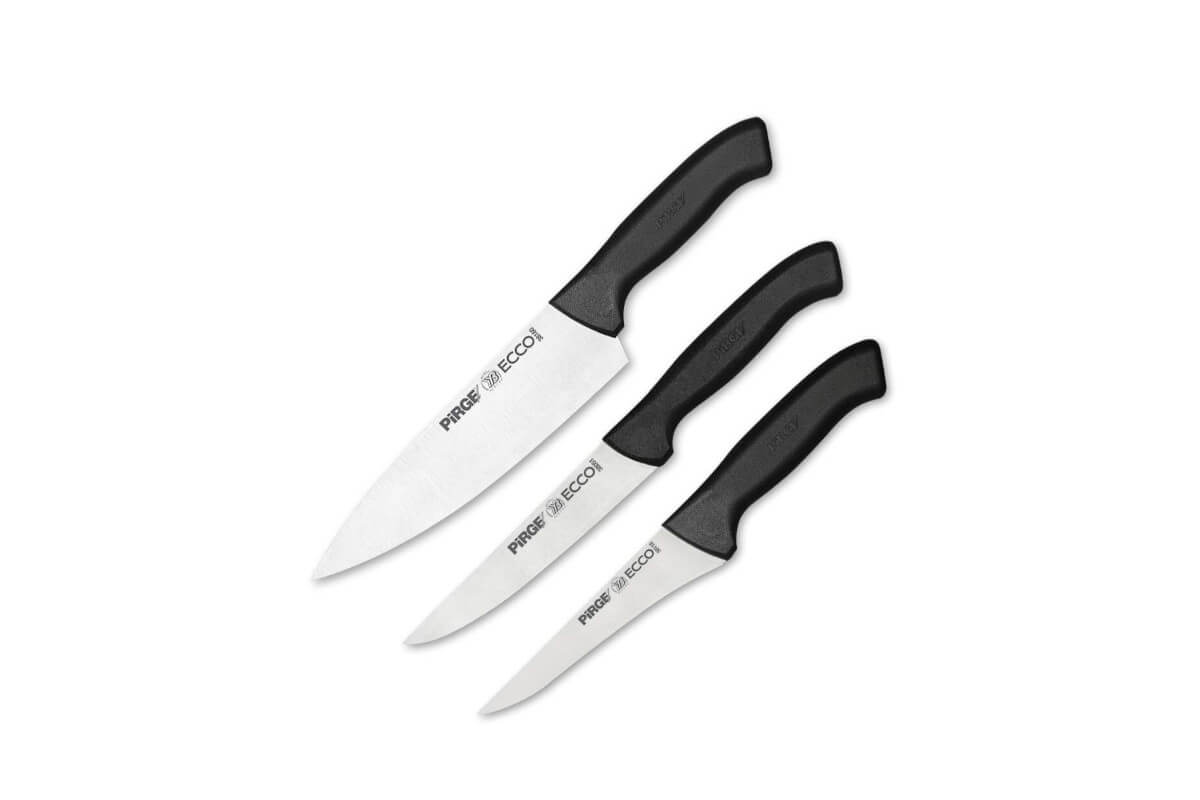
A migration story is often remembered for what is left behind. But some migrations shape the destiny of an industry by bringing with them the craftsmanship of their new home. In 1879, İsmail Usta, who came to Anatolia from the Balkans with the wave of migration created by the Ottoman-Russian War, brought not only his belongings in his suitcase, but also a craft forged with fire and steel. That forge, which burned in Bursa, continues to shine today in the kitchens of chefs all over the world under the signature of "Pirge".
One of the first things that comes to mind when you think of Bursa is knives. However, behind this reputation lies a wealth of knowledge and family tradition passed down from generation to generation. Pirge has been more than just producing knives since 1879; it transforms sharpness, durability, and ergonomics into an art form.
1879: İsmail Usta's Migration and the First Spark
The story begins after the Russo-Turkish War of 1877-1878 (the 93 War), one of the most tragic chapters in our history. Amidst the great wave of migration from the Balkans to Anatolia following the war, a knife maker finds himself... Ismail Usta There are also.
Master İsmail chose Bursa, the city of iron and water, as the perfect place to practice his craft. When he opened his first shop, with every piece of steel he forged, he not only earned his living but also laid the foundations of Bursa's knife-making industry. The knives shaped on the anvil in those days were the first prototypes of what is today a massive industrial enterprise.
1934: The Birth of the Name Pirge
Years passed, the Republic was established, and Turkey began to grow amidst the pains of modernization. The Surname Law of 1934 marked a turning point in the family's commercial history. The family adopted the surname Pirge, befitting their roots and stance.
This date marks not just a change of identity for İsmail Usta's grandchildren, but the first step towards institutionalization. From now on, the knives produced will be associated not just with the handiwork of a master craftsman, but with the guarantee of a brand.
1970: First Export from Bursa to Egypt
The most concrete step in the transition from craft to industry was taken in 1970. At a time when Türkiye was just beginning to use the word "export" and industrialists were confined to the domestic market, the Pirge family made a bold decision.
The knives produced were exported for the first time to Egypt, crossing the borders of Turkey. This first export proved that Pirge was not just a local knife manufacturer, but an industrial enterprise capable of producing to international standards. That first shipment to Egypt that day was a harbinger of a massive export operation that now reaches more than 50 countries.
Today: The Choice of Chefs and Professionals
The adventure that began in 1879 with the sound of İsmail Usta's hammer continues today under the management of the 6th generation, in modern facilities equipped with advanced technology. Pirge now plays a leading role not only in homes but also in the kitchens of professional chefs, in the most challenging arena of the gastronomic world.
By combining French and German steels with Turkish craftsmanship, Pirge has created a triangle of sharpness, rust resistance, and design excellence. Offering thousands of different products ranging from pastry and butchery knives to chef's knives and home series, Pirge, with over 140 years of experience, has succeeded in transforming the legend of Bursa knives into a global brand.
Note
If you have any photos or video footage to support our news story, please share them with us using the information provided on our contact us page.
