


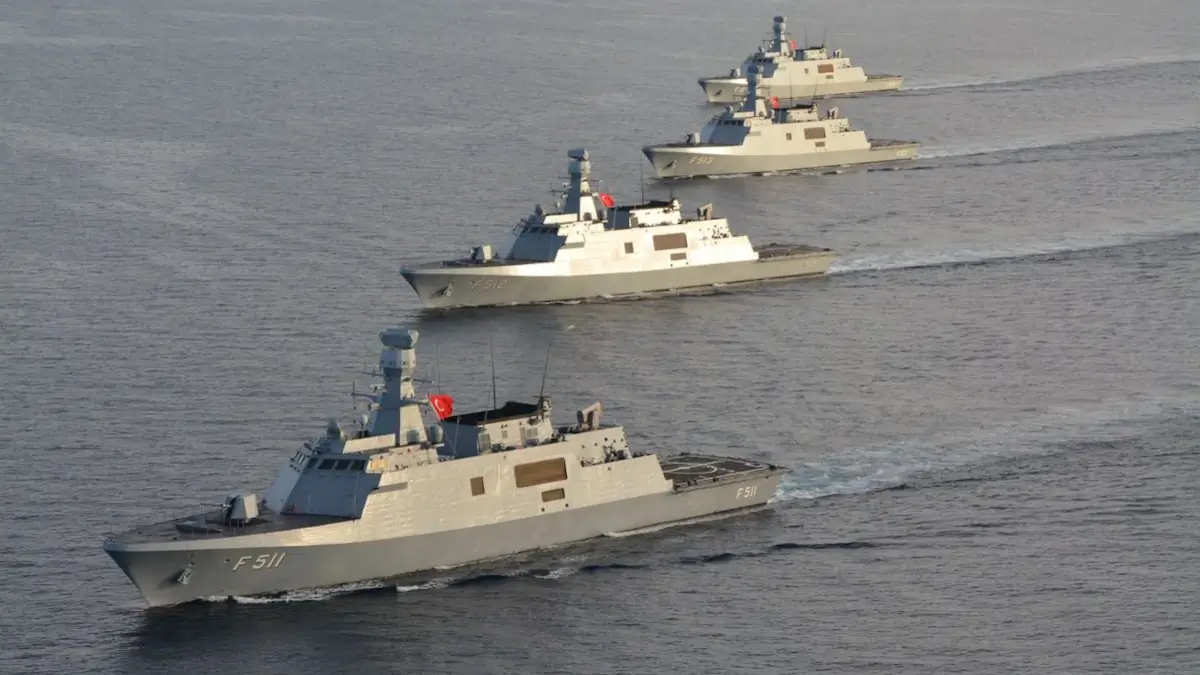
According to a statement from STM Defence, the company has put pen to paper for the construction of 3 corvettes that will add strength to the Royal Malaysian Navy. This agreement, carried out within the scope of the Littoral Mission Ship Batch-2 (LMSB2) Project, has gone down in history as Türkiye's first corvette export to the Asia-Pacific region. The company announced the project on social media with the hashtag "#35İz", in reference to its 35th anniversary.
First Corvette Export in the Asia-Pacific
The Turkish defence industry is carrying the successes it has achieved in Gulf and European markets in recent years to the Asia-Pacific region. This agreement signed with Malaysia is seen as a strategic threshold in that it is Türkiye's first corvette export to the region. The 3 ships to be built under the project aim to strengthen the Royal Malaysian Navy's coastal security and naval defence capabilities.
Technical Foundations of LMSB2
The LMSB2 project is being built on a derivative of STM's internationally recognised Ada-class corvette (MİLGEM) design. The platforms, expected to be approximately 99 metres in length with a displacement of 2,400 tonnes, are being equipped to carry out anti-submarine warfare, surface warfare and air defence missions. The ships are envisaged to carry anti-ship missiles, close-in air defence systems and a helicopter landing pad. This configuration responds directly to Malaysia's patrol and deterrence requirements across its wide maritime jurisdiction areas.
The Global Competition and Strategic Dimension of the Export
In the Asia-Pacific naval defence market, South Korea, China and European shipyards (such as Naval Group and Damen) have long been waging effective competition. STM's entry into this market stands out for its cost-effectiveness and flexibility in technology transfer. Approaches such as building some of the ships in Malaysia or carrying out joint production with local shipyards under the project align with buyer countries' goals of domestic industrial gain. This model shows that the Turkish defence industry has become a power that not only sells products but also exports ecosystems.
Türkiye Expands Its Defence Exports
The agreement signed with Malaysia reflects the momentum of STM and of the Turkish defence industry in general in expanding their global market share. The company, which has previously signed projects for countries such as Pakistan and Ukraine, has now carried its export network to a different geography with this new agreement. The process, progressing within the framework of Malaysia's modernisation programme, also constitutes a reference point for Türkiye's defence diplomacy in the Asia-Pacific.
Note
If you have any photos or video footage to support our news story, please share them with us using the information provided on our contact us page.
