


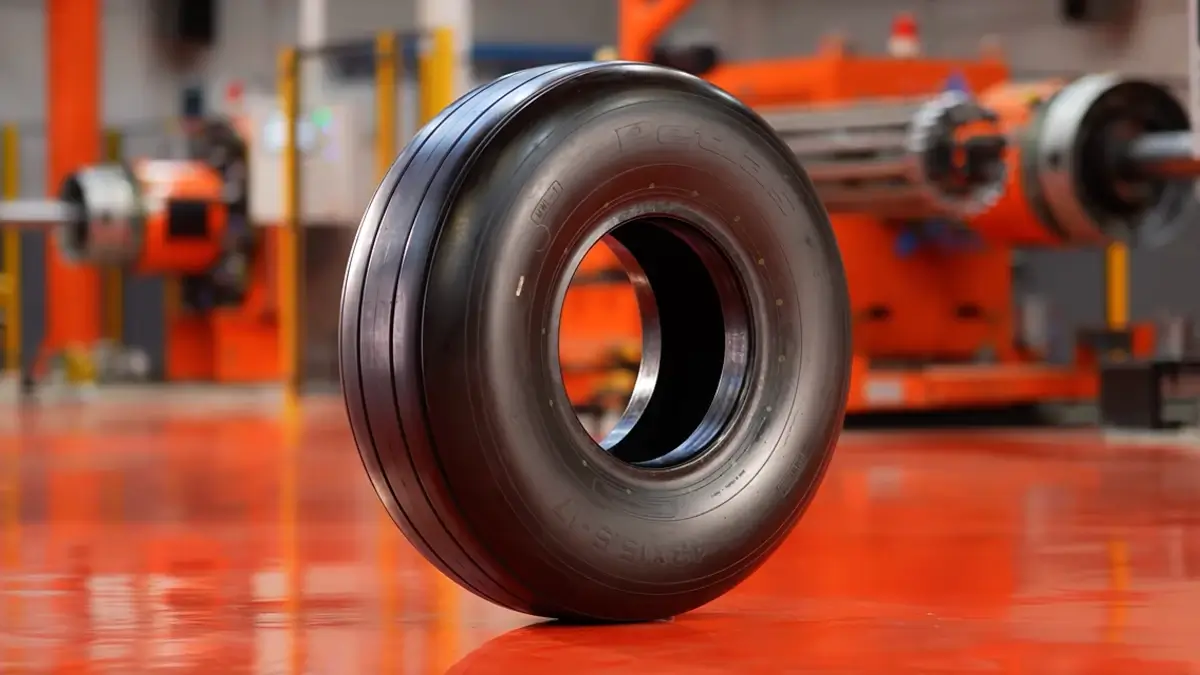
Petlas, Türkiye's first domestic military aircraft tyre manufacturer, which develops critical tyre solutions for national air platforms such as KIZILELMA, KAAN, HÜRKUŞ and AKINCI, has released the first two episodes of its "The Engineering Behind the Power" video series, which explains the technological expertise behind its automotive and defence industry tyres.
The technical data shared in the video series is highly noteworthy. The information in the videos shows that a modern tyre is not made of rubber alone and that it passes through a multi-layered domestic engineering process extending from molecular chemistry to aerodynamics.
Testing with Thousands of Road Scenarios Before Setting Off
In Petlas's engineering approach, the design process begins with modelling the point where the tyre will first make contact with the road. In designing the tread pattern — that is, the tyre's tread structure — the focus is not on aesthetic appearance alone. Critical performance factors such as water evacuation, aerodynamic efficiency, road grip and acoustic comfort are combined in a single optimised structure.
Thanks to the original simulation infrastructure developed at the company's R&D centre, the tyre is digitally tested under thousands of different road and climate scenarios before it is even physically produced. The tread pattern is continuously improved in line with the data obtained from the simulations, so the first step towards driving safety is taken at the digital stage.
The Heart of the Tyre: Silica at the Molecular Level
The compound technology, which the engineering team in the video series describes as the heart of the tyre, constitutes the most critical stage determining the product's real-world road performance. In Petlas laboratories, naturally sourced polymers are blended with functional advanced technology polymers to obtain high-performance silica and nano-silica compounds.
Developed at the molecular level, these formulations allow the tyre to adapt to seasonal temperature changes. In this way, full vehicle control is targeted across a broad spectrum, from freezing winter days to scorching summer heat. Nano-silica blends carry the potential to strike a better balance between wet grip and rolling resistance compared with conventional carbon black-filled compounds. This balance offers a benefit that is reflected directly to the consumer in terms of fuel consumption and tyre life.
From Digital Perfection to Physical Prototype
The second episode of the series addresses the transition of the digitally designed tyre to the physical production stage. In order for a design that looks flawless on screen to display the same performance in a real physical model, initial prototypes are produced and subjected to demanding test processes.
The data obtained from prototype tests is meticulously analysed down to the finest detail by engineers. Where needed, improvements at microscopic level are made to the mould architecture. Through this precise calibration process, the tyre is brought to serial production in its most accurate, most durable and ideal form.
Petlas "The Engineering Behind the Power" Video Series
Note
If you have any photos or video footage to support our news story, please share them with us using the information provided on our contact us page.
