

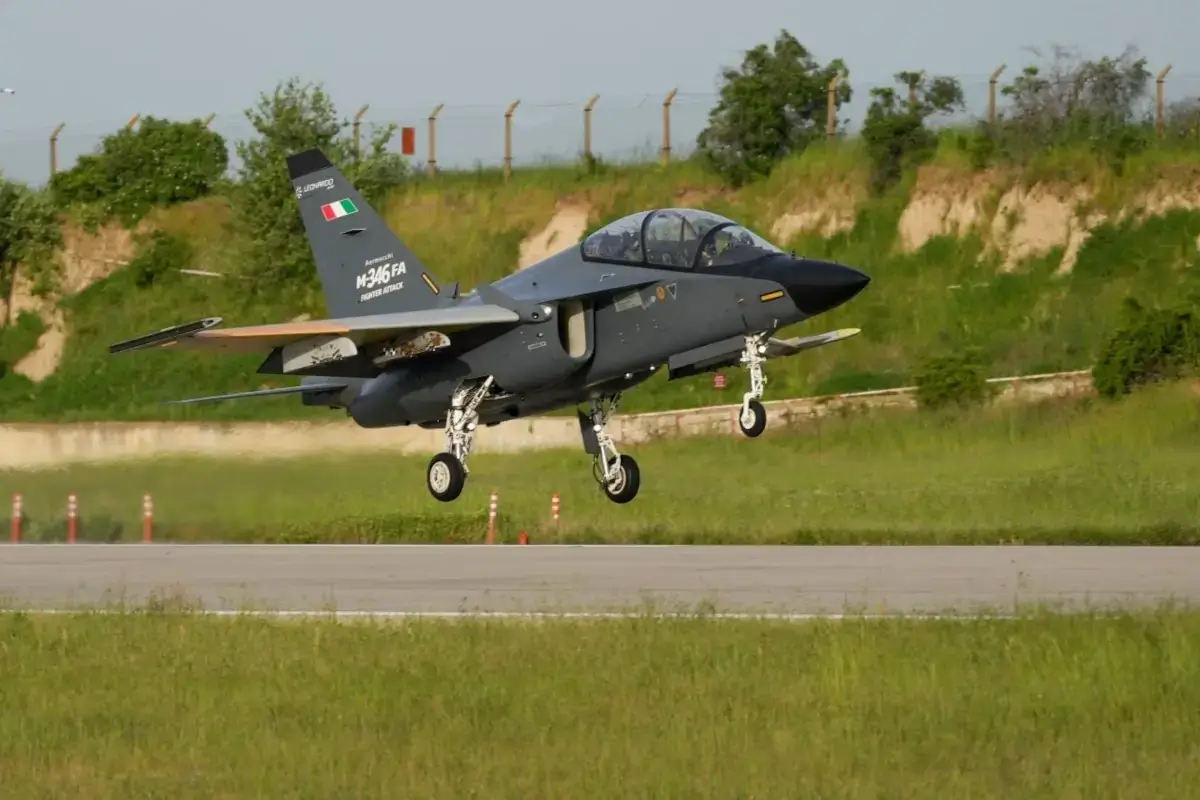
Italian defence giant Leonardo and Turkish unmanned aerial vehicle manufacturer Baykar have crossed a critical threshold that will shape the future air combat concept. In live tests conducted under the companies' K-SWARM programme, the Leonardo M-346 jet trainer aircraft and the Bayraktar KIZILELMA unmanned combat aerial vehicle successfully completed a series of autonomous formation flights. The most striking moment of the test came when the M-346 pilot issued formation commands to KIZILELMA via the cockpit's next-generation avionics systems, with the unmanned aircraft autonomously executing those commands.
Historic Test in Çorlu
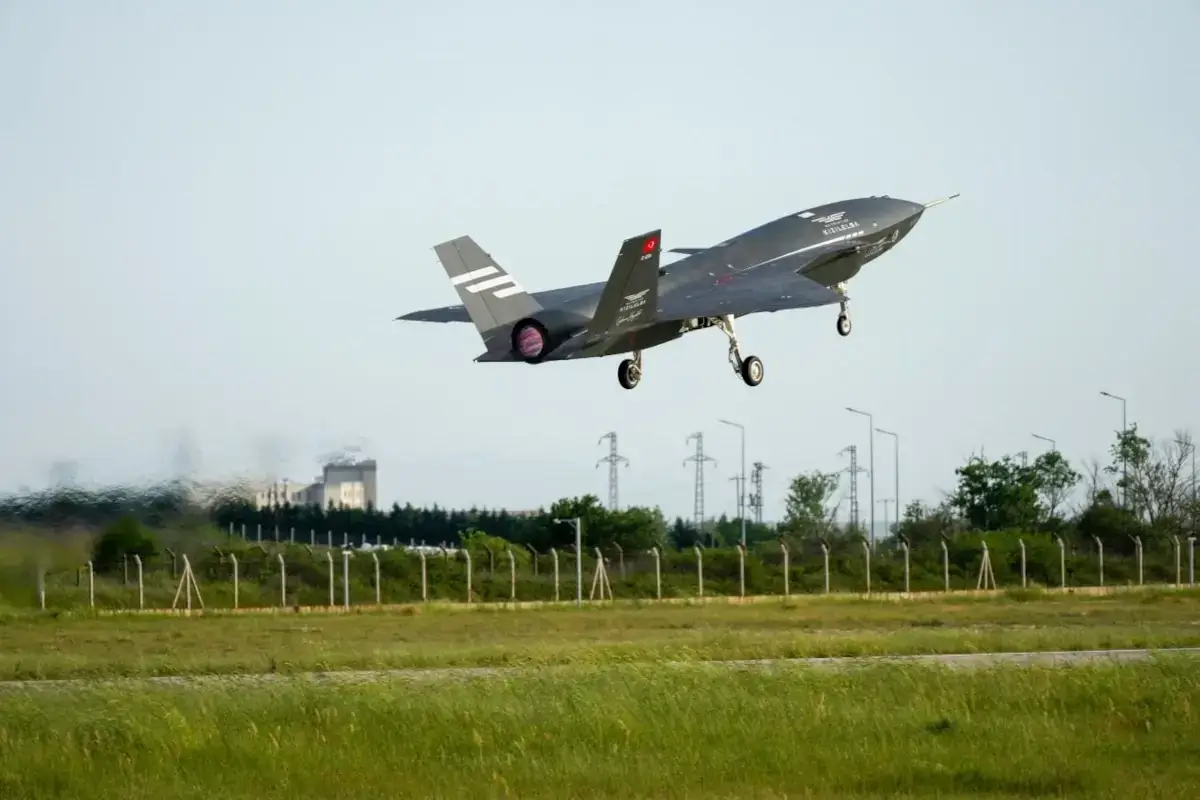
The tests were conducted in May at Baykar's flight and test centre in Çorlu. The flight test campaign involved a Leonardo-owned M-346 Fighter Attack Variant, an Italian Air Force T-346A chase aircraft, and the Bayraktar KIZILELMA.
The tests aimed to validate algorithms developed at Leonardo's avionics and flight control innovation laboratories in Turin and the PC2LAB product capability and concept laboratory in a live flight environment. These algorithms were tested in conjunction with the M-346 Full Mission Simulator at Leonardo's Venegono facility. Simultaneously, Baykar integrated advanced smart fleet autonomy capabilities into its CUC-T (Crewed/Uncrewed Teaming) algorithms using hardware and software infrastructure at its own facilities.
Pilot Issues Commands, KIZILELMA Responds Autonomously
The most noteworthy phase of the test campaign began when KIZILELMA, following autonomous taxi and take-off, autonomously rejoined the M-346 Fighter Attack Variant using Smart Fleet Autonomy algorithms developed at Baykar's Hardware-in-the-Loop (HIL) Laboratory. The M-346 then assumed full control of KIZILELMA.
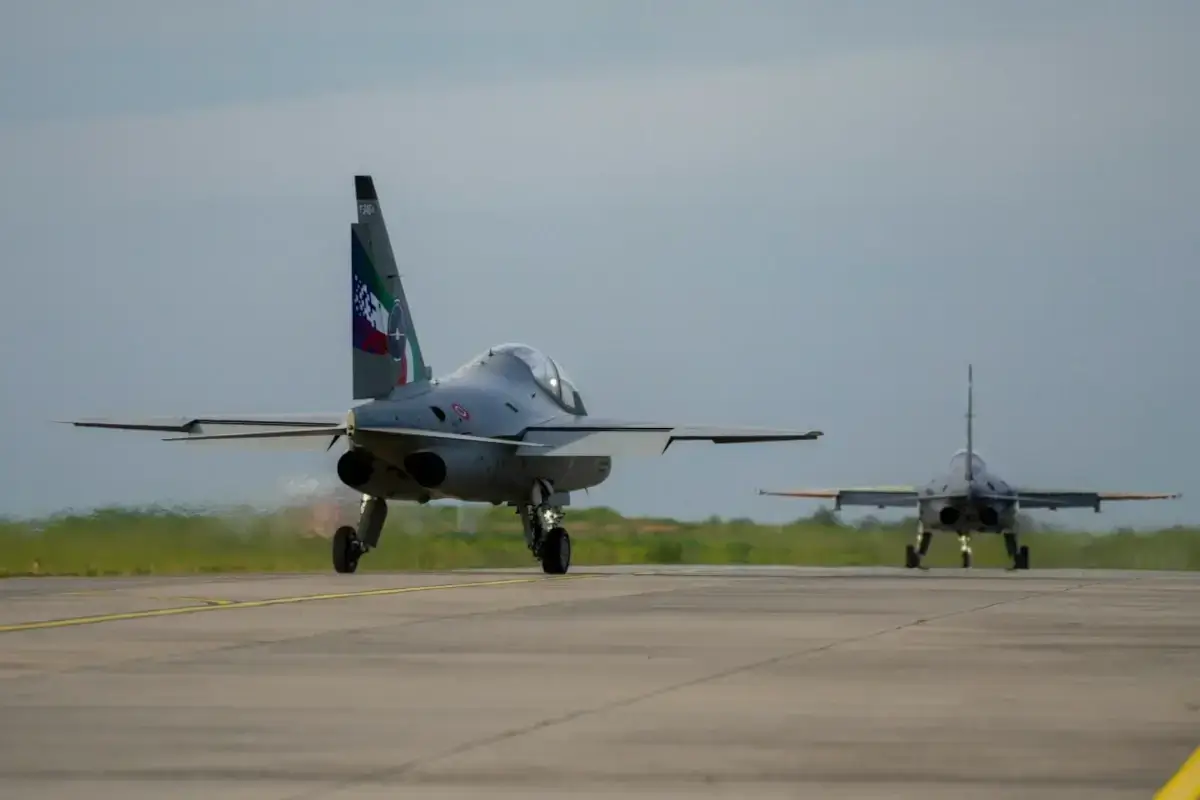
Using the newly integrated, fully equipped avionics suite in the cockpit, M-346 pilots issued various formation commands to the unmanned combat aircraft. KIZILELMA responded autonomously to these commands via a specially developed crewed/uncrewed computing system. Different manoeuvres and formations were successfully tested, including position changes, separation and rejoining.
From Digital Engineering to Live Operations
Leonardo's statement emphasised that the transition from simulation to live operations was carried out using a digital engineering approach, marking a critical step in demonstrating the programme's advanced solutions and technologies. Data synchronisation between platforms was enabled by an advanced radio-frequency data exchange system protected by Leonardo's GCC Tactical Platform. This proprietary cyber-defence platform protects and monitors systems in real time, enabling effective command and control of planned flight formations.
Intensive preparatory work carried out jointly by Leonardo and Baykar teams – including pilots and technicians – over several months enabled technical integration of the systems, development of test scenarios and validation of the algorithms.
What's Next for the K-SWARM Programme?
The data and analyses gathered will play a critical role in shaping the next phases of the K-SWARM programme. The programme is progressing towards more complex operations requiring greater situational awareness and assets to operate as a single entity towards mission objectives.
According to Leonardo's statement, improvements and maturation in artificial intelligence technology, algorithms and collaboration procedures will enable the gradual transition of unmanned systems from remote piloting to autonomy. The aim is to reduce pilot workload and enhance mission efficiency while retaining full control and decision-making authority. Further tests with increased complexity and additional functions are planned in the coming months.
Why is Crewed-Uncrewed Teaming Critical?
Collaborative combat teaming is one of the key enablers of future air combat systems and is becoming a central part of the evolution of current-generation combat aircraft. Crewed/Uncrewed Teaming (CUC-T) is seen as a fundamental element in the transformation of military and security assets across all domains – not only technologically but also operationally, doctrinally and industrially.
With these tests, Leonardo and Baykar have combined their respective technological and industrial capabilities, confirming their competitive advantage in this field. The K-SWARM programme is regarded as a concrete step towards developing critical capabilities for modern combat air operations in multi-domain operational scenarios.
Note
If you have any photos or video footage to support our news story, please share them with us using the information provided on our contact us page.
