


The Turkish defence industry continues its tests towards sixth-generation air warfare doctrine without slowing down. Baykar Technology has shared footage of the Autonomous Free Formation Flight Test conducted with two Bayraktar KIZILELMA unmanned combat aircraft with the public. Following the previously conducted fixed-distance close formation flight, this new test clearly proves how quickly smart fleet algorithms adapt to the dynamic battle environment.
Managing unmanned systems as multiple platforms is one of the most challenging engineering fields in the aviation industry. Two KIZILELMA prototypes, taking off from the AKINCI Flight Training and Test Centre in Çorlu, overcame this challenge and left behind another milestone. Teams brought the platforms together in the sky this time within the scope of the "Autonomous Free Formation Flight Test," pushing the tactical limits of the smart fleet concept.
The Free Era in Smart Fleet Autonomy
In aviation terminology, the free formation concept refers not only to aircraft following each other but also making coordinated manoeuvres independently of each other according to tactical scenarios, yet directed towards a common goal.
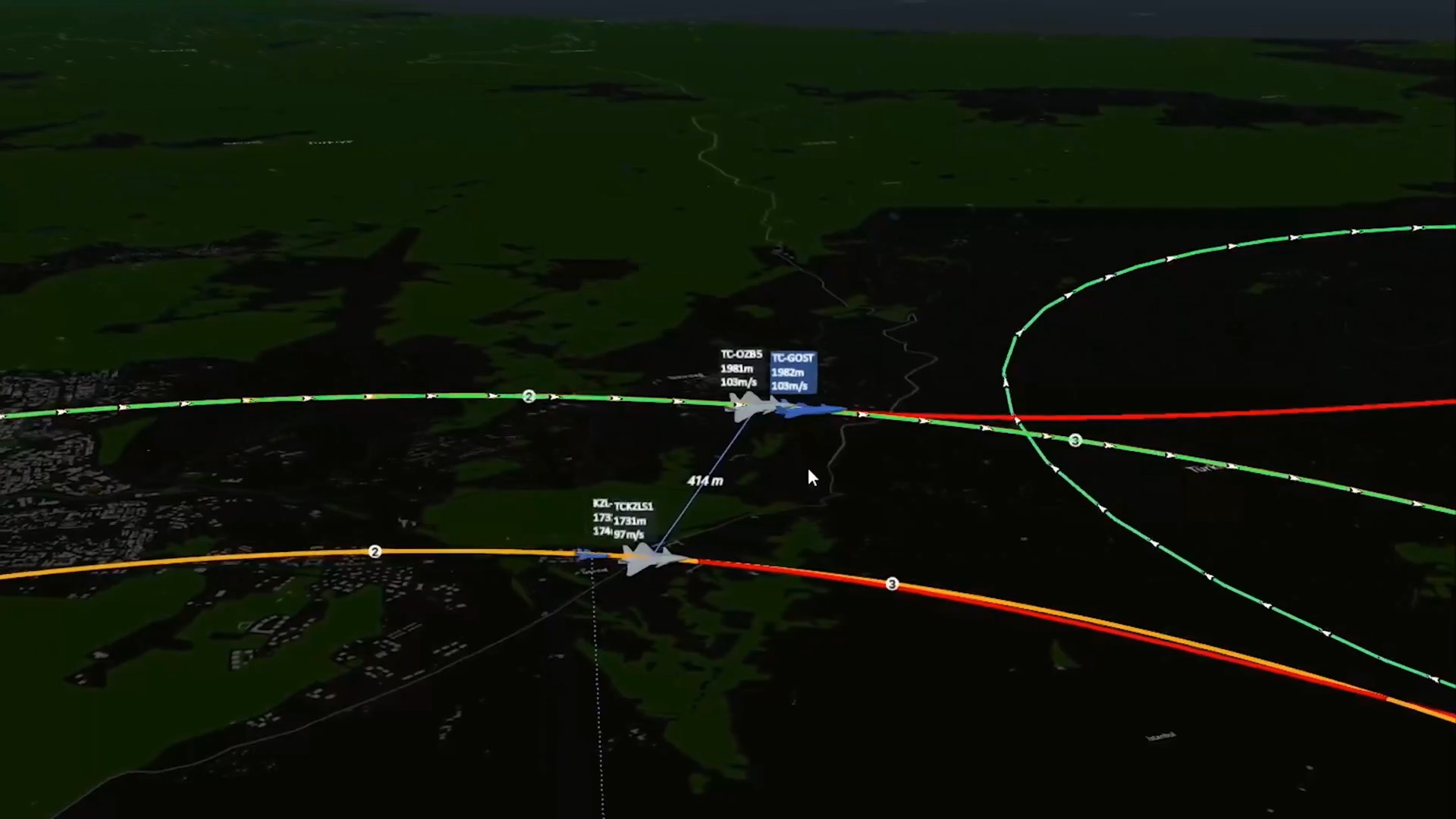
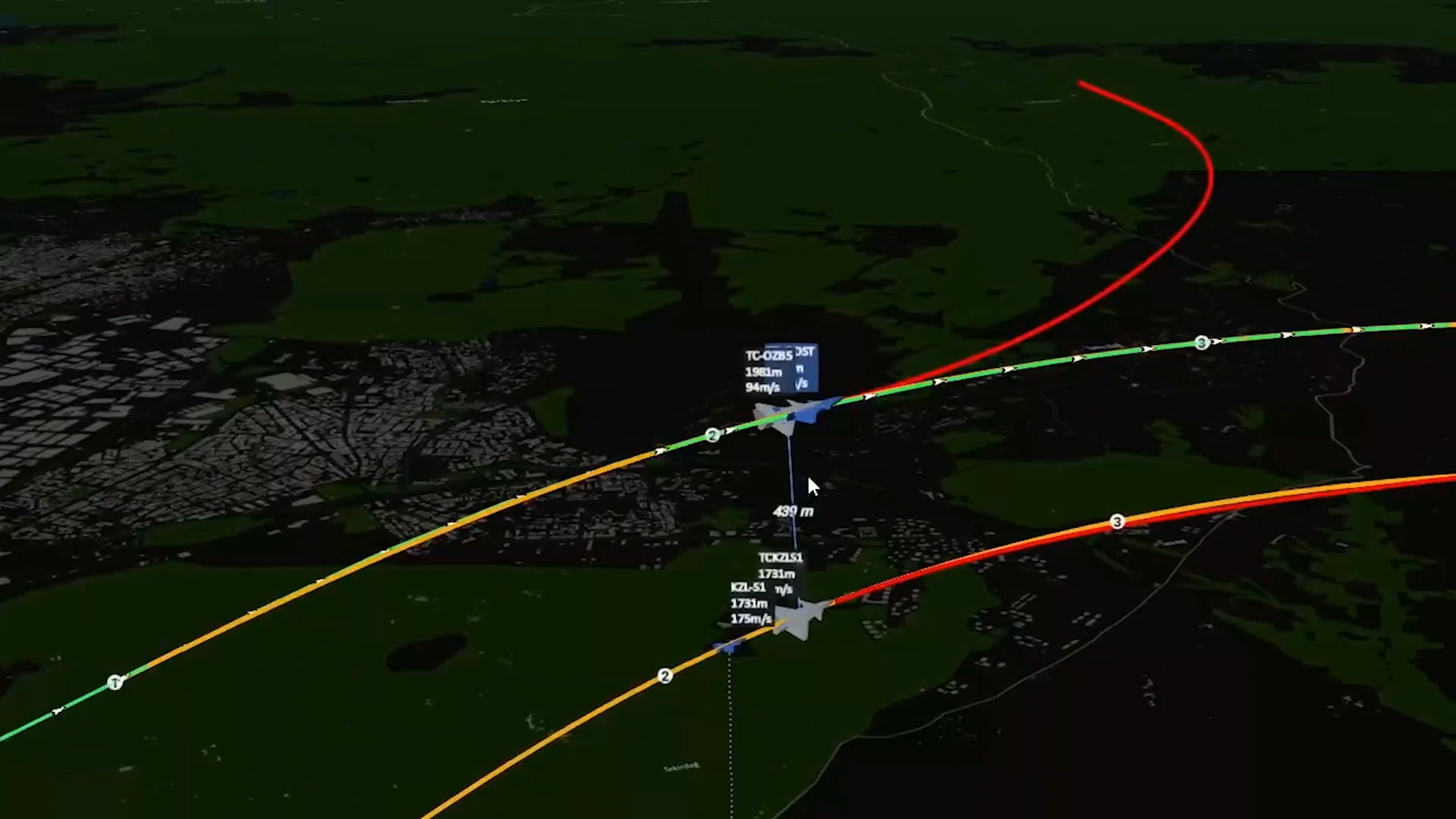
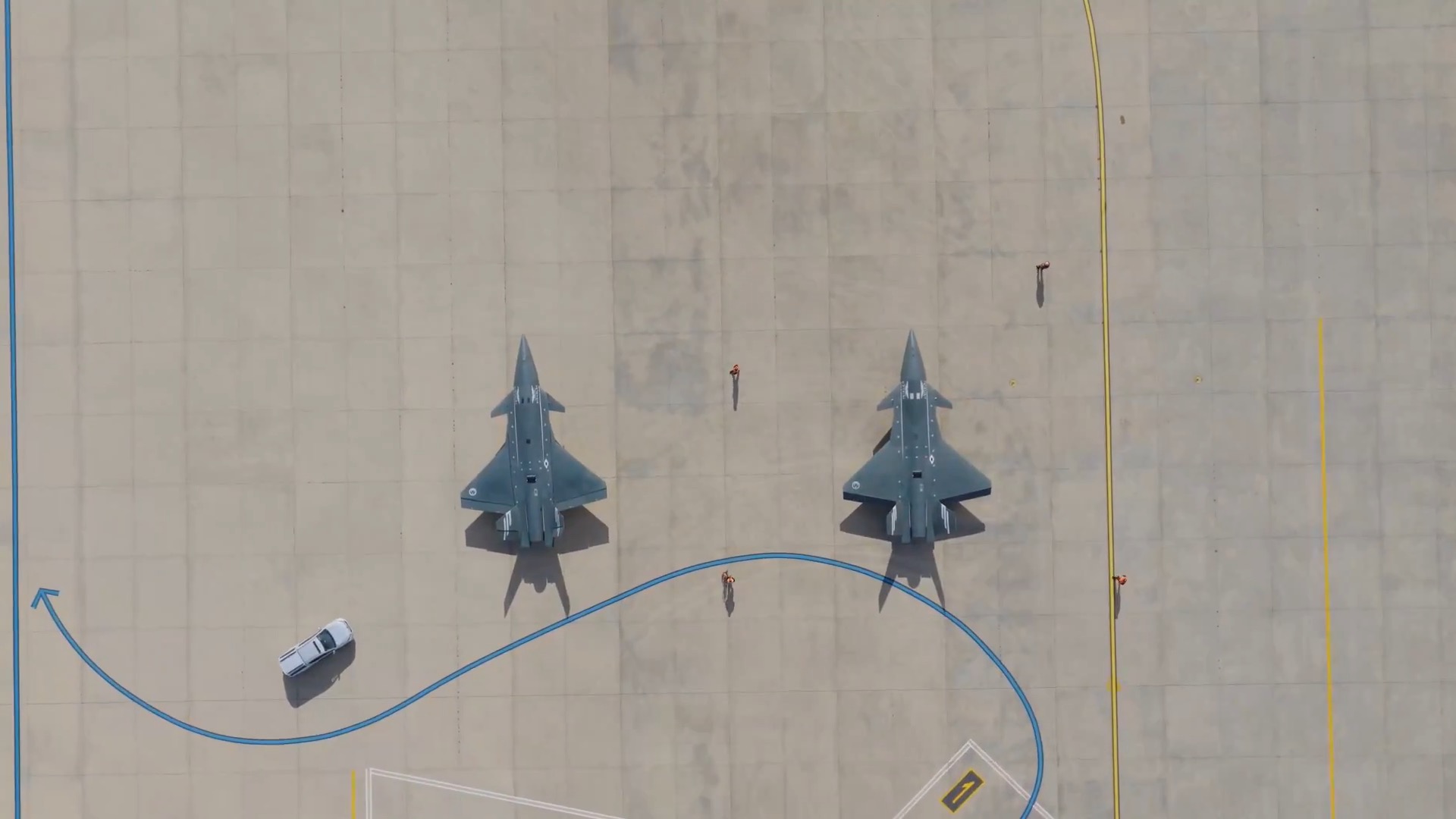
This innovative Kızılelma formation flight demonstrates that unmanned combat aircraft can make autonomous decisions in the face of unpredictable situations on the battlefield. The system allows aircraft to change their routes according to immediate threats, separate and rejoin, and share tasks among themselves. In short, this test simulates a completely realistic combat environment, rather than a fixed discipline.
Not the First, But the Most Dynamic
As aviation and defence followers know well, this was not the first test conducted with two KIZILELMA in the sky simultaneously. As will be recalled, months ago, the platforms had also achieved a world first in aviation history by performing an unmanned close wingman flight.
However, the focus of the previous test was on the aircraft flying closely together in a fixed line with millimeter precision and in a disciplined manner. The newly conducted autonomous formation flight test represents the next phase of this technology. By improving the algorithms using the collected data, engineers have enabled the aircraft to fly in a coordinated manner without being bound to a fixed formation.
Autonomous Combat Fleets Are Coming
This series of tests, conducted by Baykar with its own resources, documents that Türkiye is rapidly widening the gap with its competitors in the unmanned combat aircraft race. The successfully completed free formation flights will provide our military with very important asymmetric advantages in future air operations.
In the coming years, multiple KIZILELMA will penetrate enemy airspace with coordinated and free scenarios, acting like a single mind. These autonomous fleets will quickly paralyse enemy air defence radars by manoeuvring from different directions. Ultimately, while dependence on the human factor in air warfare decreases, the operational flexibility of the Turkish Air Force will reach the highest level.
Note
If you have any photos or video footage to support our news story, please share them with us using the information provided on our contact us page.
