


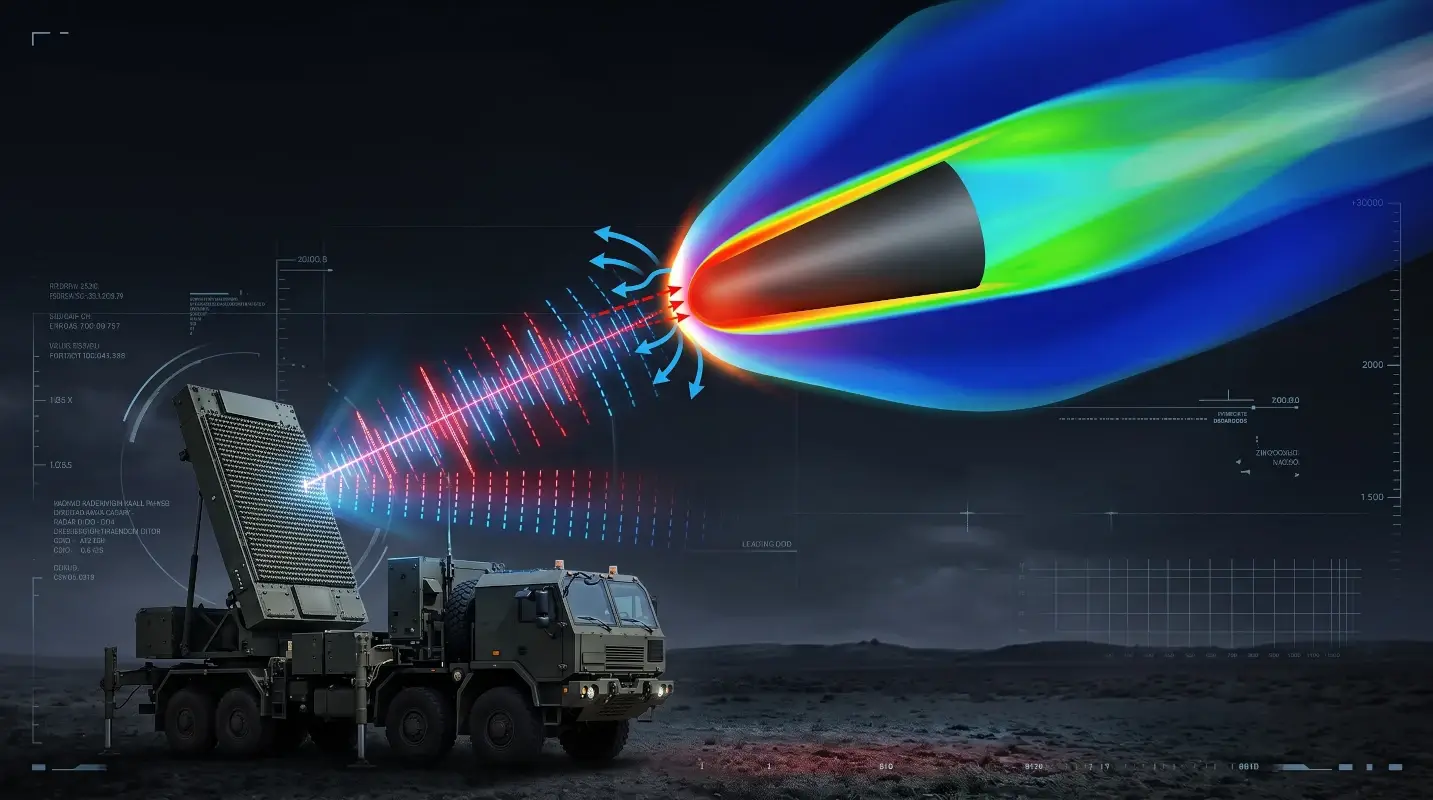
Türkiye is entering the hypersonic missile race — a game-changing technology on a global scale — not only with strike systems but also with defensive concepts. Until now, our defence industry has come to the fore with hypersonic strike projects such as GÖKHAN and HİS-S. However, the button has also been pressed for an Above SİPER defence architecture capable of stopping these missiles — which fly at five times the speed of sound at the boundaries of the atmosphere — in mid-air. At the heart of the project lie the new-generation Multifunctional Fire Control Radars developed by ASELSAN that push the laws of physics to their limits.
The Hypersonic Threat and the "Plasma" Effect That Blinds Radars
Hypersonic missiles are rewriting the rules of the modern battlefield with their immense speeds exceeding five times the speed of sound (Mach 5) and their unpredictable trajectories during atmospheric glide. However, what makes them truly dangerous is not only their speed but the plasma shield they create around themselves by burning the air through intense friction during flight. This shield provides the missile with a kind of invisibility capability that absorbs or deflects radar waves. Conventional air defence radars, even if they detect the missile, cannot remain locked onto the target long enough to carry out an interception because of this physical barrier.
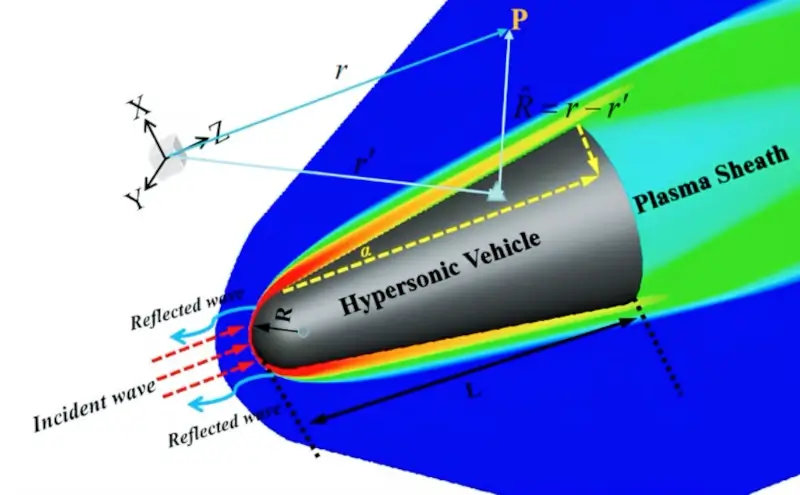
Türkiye is joining this technology race — monopolised globally by the great powers — not only with strike systems but with air defence systems that will hunt these unstoppable systems in the air. The most important component of these new-generation air defence systems will be the multifunctional new-generation radars ASELSAN is working on, which will overcome the plasma barrier with dual frequencies.
Two Radars, One Brain (X-Band and L-Band Fusion)
According to the research of ASELSAN engineers, overcoming the low radar cross-section and plasma effect of hypersonic threats does not appear possible with a single frequency band. ASELSAN engineers report that they have concentrated their R&D activities on running two different radar bands simultaneously in order to break down this technological barrier.
This innovative solution is planned to work as follows: Low-frequency L-Band radars, with their ability to penetrate the plasma layer, detect the threat from hundreds of kilometres away and conduct wide-area scanning. These data are then transferred to the high-resolution X-Band radar within milliseconds. X-Band, providing precise lock-on to the target, plots the terminal guidance route for the interceptor system that will destroy the missile. The data coming from the two different radars are fused with artificial intelligence-supported algorithms and transformed into a single fire control solution.
The Pinnacle of the Steel Dome: Integration with SİPER 3 and 4
This new radar work by ASELSAN will form the pinnacle of the Steel Dome, Türkiye's multi-layered air defence network. The SİPER 3 and SİPER 4 systems, recently announced and set to possess exo-atmospheric ballistic missile interception capability, will draw their strength precisely from this "Above SİPER" new-generation radar architecture.
While Türkiye prepares to create an asymmetric effect on enemy lines with GÖKHAN and HİS-S, thanks to ASELSAN's new-generation X and L band fusion radars, it aims to cover the sky homeland with impenetrable armour against hypersonic threats.
Note
If you have any photos or video footage to support our news story, please share them with us using the information provided on our contact us page.
