


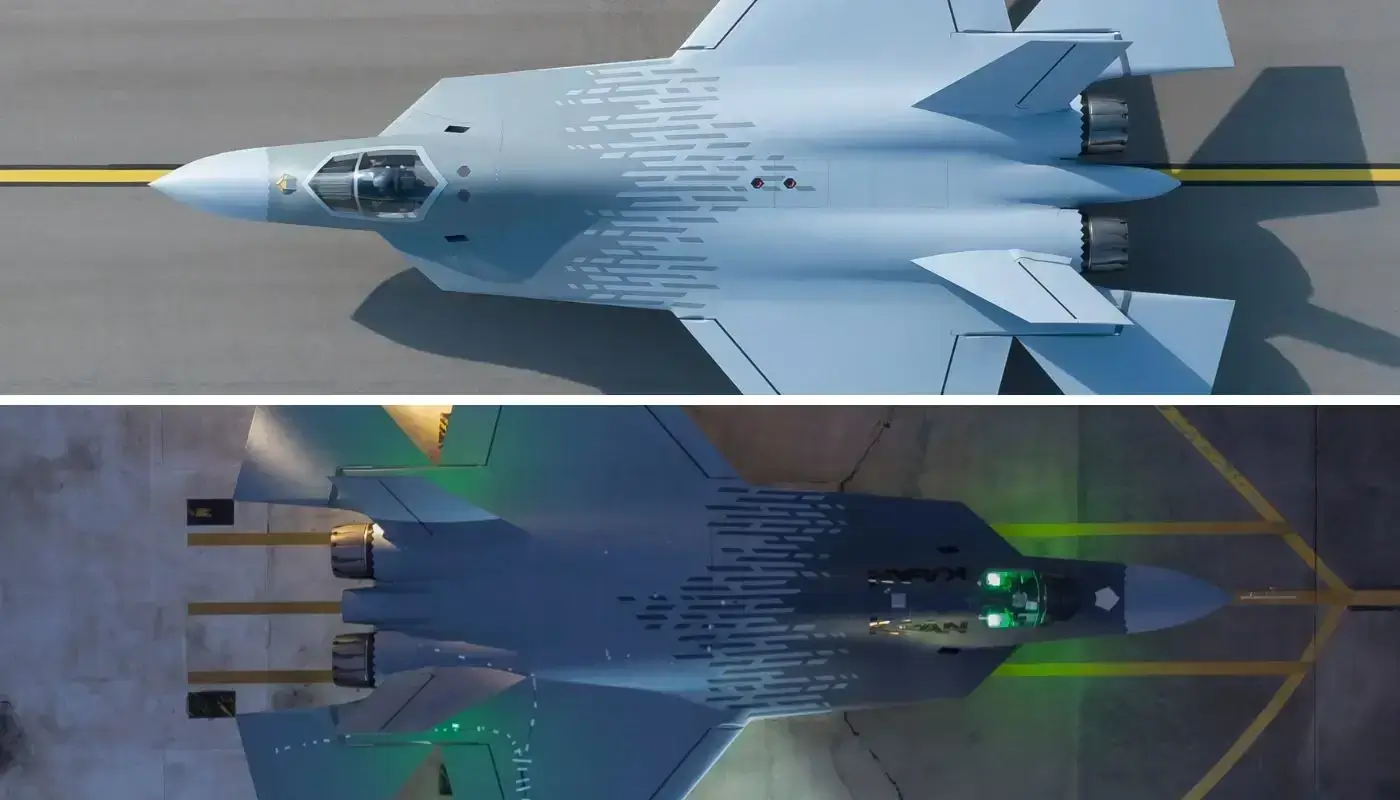
The National Combat Aircraft KAAN, the most prestigious project of the Turkish defence industry on a global scale, is shifting the foundations of European defence doctrine. TAI (Turkish Aerospace Industries) CEO Mehmet Demiroğlu officially confirmed that the Spanish government has initiated formal government-to-government (G2G) negotiations with Türkiye regarding KAAN to meet its requirement for a fifth-generation fighter jet. The Madrid administration’s move toward Ankara, distancing itself from the American F-35 programme due to technological restrictions and strategic sovereignty concerns, represents a historic turning point for the Turkish aviation ecosystem.
The First Step in Strategic Cooperation: The HÜRJET Bridge
Spain's interest in KAAN is not a sudden development but the result of a systematic trust-based relationship established last year. In October 2025, Spain certified its confidence in the Turkish defence industry by procuring 45 HÜRJET aircraft to modernise its pilot training infrastructure. In an interview with the Spanish media outlet Infodefensa, TAI CEO Mehmet Demiroğlu stated that this process has undergone a natural evolution.
Demiroğlu underscored the seriousness of the process, saying, "We received a request from the Spanish Air and Space Force for a superior fifth-generation fighter. Although negotiations are at an initial stage, there is a clear strategic intent and requirement." HÜRJET is positioned not just as a trainer for Spain but also as the key to entering the KAAN ecosystem. The HÜRJETs, to be delivered between 2028 and 2029, will provide the technological foundation for Spanish pilots to adapt to KAAN’s advanced avionics systems.
Technology Transfer: The Sovereignty the West Withholds
The primary motivation behind Spain's shift toward KAAN instead of the Lockheed Martin-built F-35 is the pursuit of industrial sovereignty. The rigid source code restrictions imposed by the Washington administration in the F-35 programme and its refusal to allow intervention in critical systems pushed Madrid to seek alternatives. In contrast to its Western rivals, the model offered by Türkiye includes full technology sharing.
TAI officials emphasise that Türkiye's proposal is unrivalled in terms of industrial independence. Thanks to technology transfer rights not offered by any other country or company, Spain will be able to integrate its own domestic subsystems and weapon stations into the KAAN platform. This aligns perfectly with Madrid’s goal of retaining a significant portion of its defence budget within Europe and its own local industry.
Europe’s Security Gap and KAAN’s Timing
The Future Combat Air System (SCAF), Europe’s sixth-generation fighter project, has slipped into the 2040s due to disputes among partners. Meanwhile, the Spanish Air Force must replace its ageing F/A-18 Hornet and Harrier II aircraft by the early 2030s. This critical timeframe makes KAAN the only viable option for Spain.
KAAN’s technical capabilities include the following elements supporting Spain’s air superiority vision:
- Low Observability (Stealth): Minimal Radar Cross Section (RCS) through internal weapons bays and specialized geometric design.
- AESA Radar and Electronic Warfare: Superior situational awareness provided by advanced radar systems developed by ASELSAN.
- Supercruise: High fuel efficiency and range with the ability to fly at supersonic speeds without using afterburners.
- Unmanned System Integration: Capability for coordinated operations with "loyal wingman" drones, a core concept of the future battlefield.
Global Implications and Israel’s Strategic Monitoring
These negotiations with Spain are being monitored closely not only in Europe but also in the Middle East. The Israeli newspaper Israel Hayom described Spain’s preference for Turkish technology over American alternatives as a strategic tremor. According to analyses in the Israeli media, a NATO member choosing KAAN signifies international validation of Türkiye’s "self-reliance" strategy developed after its removal from the F-35 programme.
To meet this rising international demand, TAI aims to reach an annual production capacity of 33 aircraft by optimising its production lines at the Ankara facilities. With Spain joining Indonesia on the list of potential customers, the unit costs of the KAAN project will decrease, opening the doors to a new league in Türkiye’s aviation exports.
Exporting Full Independence in Defence
This bridge built with Spain through KAAN demonstrates that Türkiye is not merely a weapons vendor but a strategic partner promising technological freedom to its allies. As the technical and political phases of the negotiations progress, KAAN’s entry into the inventory of a NATO country will establish the platform as an indispensable global product. By carrying its domestic contribution rate to the pinnacle of aviation, Türkiye is preparing to protect not only its own borders but also the skies of its allies with domestic technologies.
Note
If you have any photos or video footage to support our news story, please share them with us using the information provided on our contact us page.
