


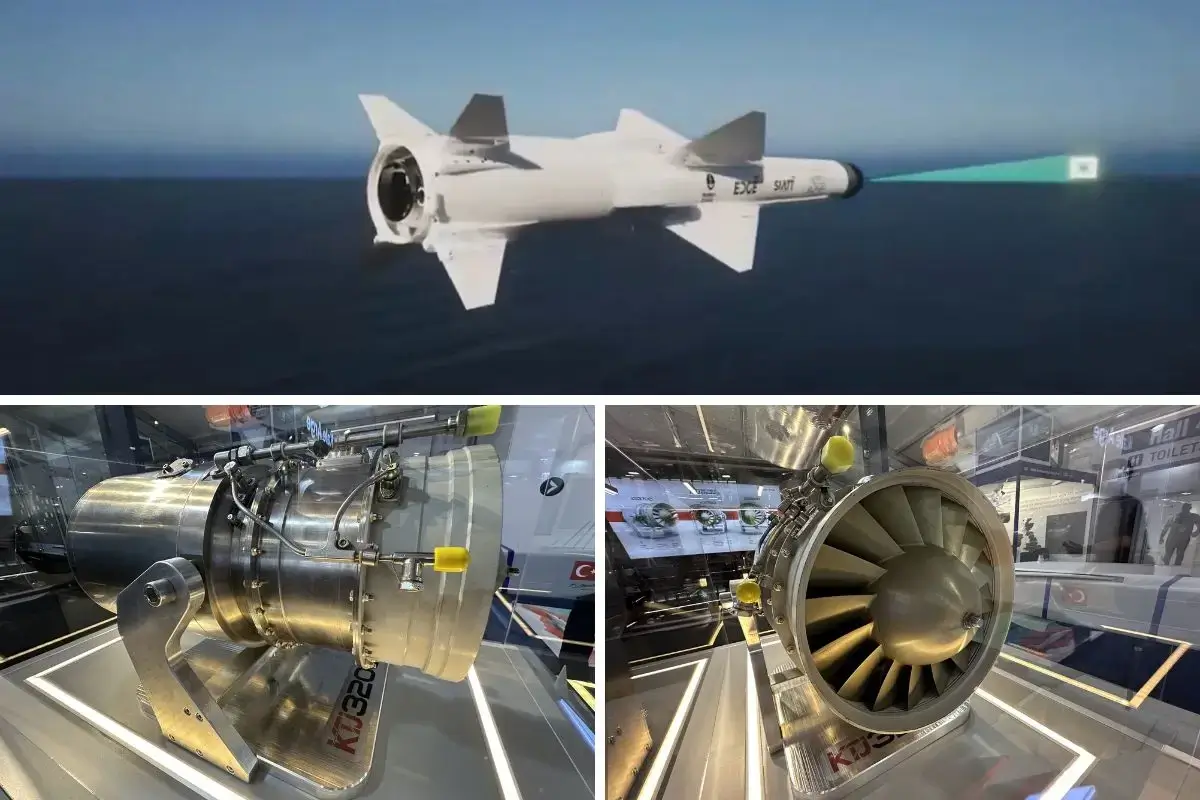
As Brazil's new anti-ship missile, the MANSUP-ER, approaches a critical stage in its development process, one of the most noteworthy details of the project comes from Türkiye. The Turkish company Kale Jet Engines' KTJ-3200 turbojet engine will be at the heart of the missile. This cooperation is a concrete example demonstrating that the Turkish defence industry has progressed from being unable to import engines to exporting them.
MANSUP's Long Journey: From 2008 to 2026
The story of the MANSUP project began in 2008 with Brazil's goal of having its own anti-ship missile. Following a three-year design phase, the actual development process started in 2011 when the contract was signed. However, factors such as Brazil's economic fluctuations, budget cuts, and the sale of the company Mectron delayed the project by a full 12 years. This painful process entered a new phase with the establishment of SIATT, the company that would complete the missile's development.
During this critical transition period between development and completion, 50 percent of SIATT was acquired by the UAE-based defence giant EDGE Group. This strategic partnership played a decisive role in providing the necessary financial resources for the project's completion. Following the completion of prototypes and successful tests, MANSUP won the serial production contract in 2025 to equip Brazil's Tamandaré-class frigates.
From Solid Fuel to Turbojet: A New Class with MANSUP-ER
The surprise regarding the missile came at the Dubai Airshow in November 2023, even before the missile entered serial production. SIATT announced a new version of MANSUP with a turbojet engine: the MANSUP-ER. Unlike the first version's solid-fuel motor, the ER version uses a combination of a turbojet engine and a booster. This design gives the missile much longer range and higher speed.
The booster system works as follows: when the missile is launched from its canister, the booster activates for a few seconds, overcoming initial drag and bringing the missile to cruising speed. The booster is then jettisoned, and the Kale Ar-Ge-produced KTJ-3200 turbojet engine takes over, carrying the missile to its target. This two-stage system allows the missile both to react quickly and to remain airborne for an extended period.
250 km Range with the KTJ-3200
According to data released by the manufacturer, the MANSUP-ER can achieve a range exceeding 200 kilometres and a speed approaching 1,000 kilometres per hour. However, considering the performance data of Kale Jet Engines' KTJ-3200 engine, the missile is expected to reach a range close to 250 kilometres. This represents a major capability leap for the Brazilian Navy.
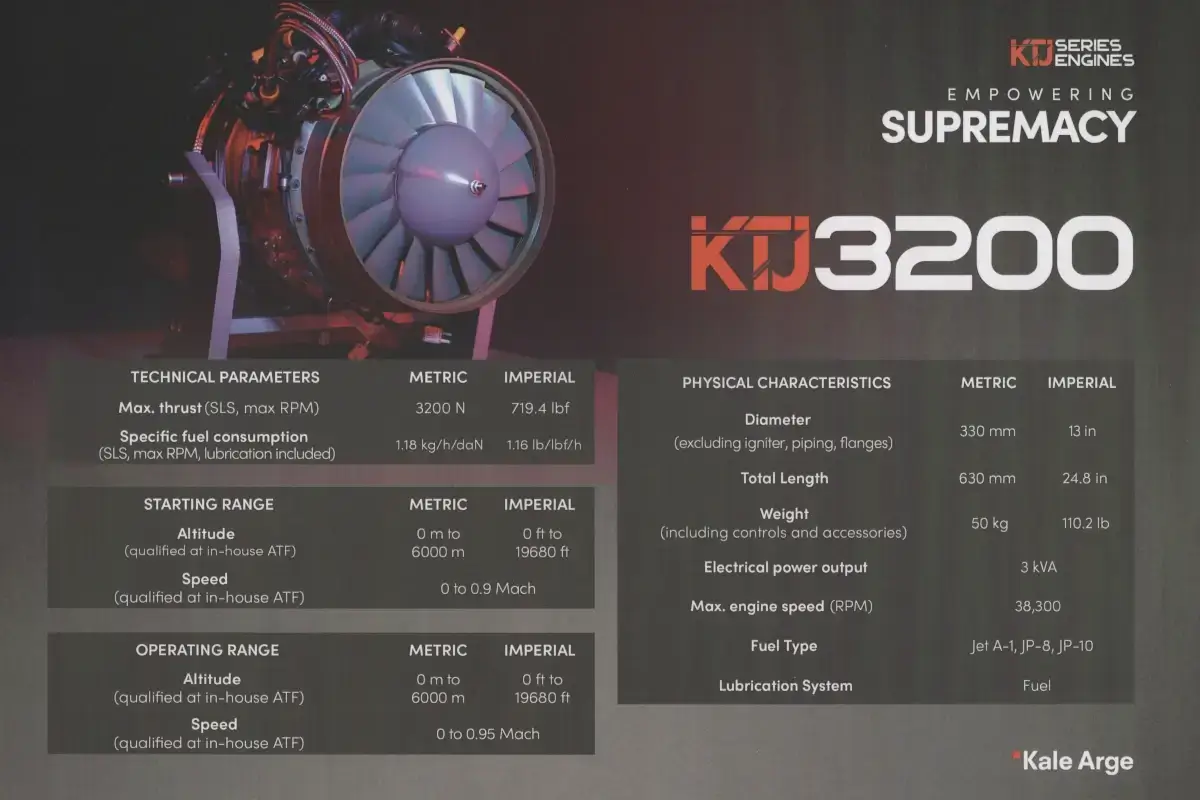
An anti-ship missile with a 250-kilometre range allows the launching frigate to engage enemy weapons well before entering their range. Theoretically, you can hit an enemy ship before it can even detect you. Furthermore, a single ship equipped with a missile of this range can threaten a vast area around it, creating significant deterrence.
The Strategic Importance of Kale Ar-Ge and the KTJ-3200
Developed by Kale Ar-Ge, the KTJ-3200 is part of Türkiye's national turbojet engine programme. The company is the manufacturer of engines that power cruise missiles such as SOM and ATMACA. The preference for the KTJ-3200 in Brazil's MANSUP-ER project is evidence that Turkish engine technology has reached a competitive level in the international market.
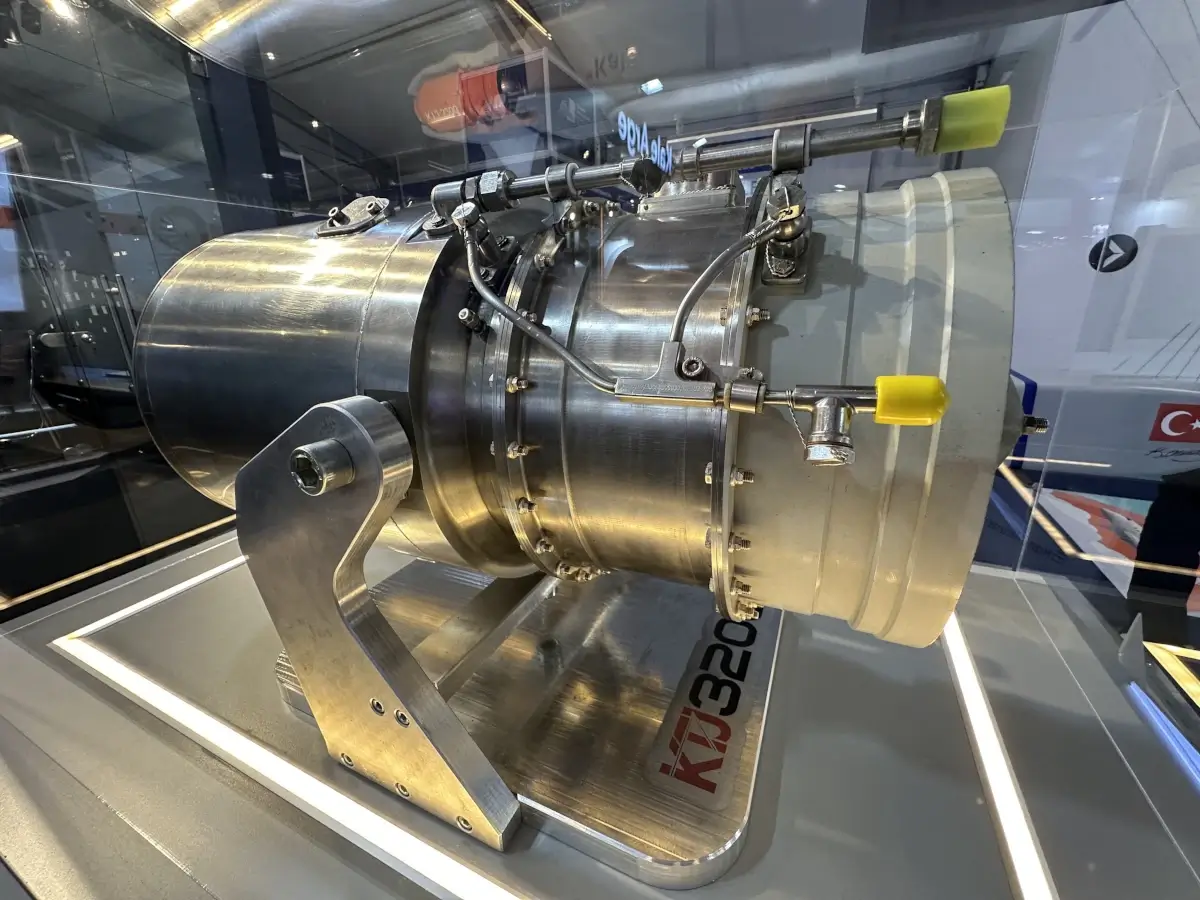
This export success is a critical turning point not only for Kale Ar-Ge but also for Türkiye's overall defence industry strategy. The Turkish defence industry, which was dependent on foreign sources for engine technology for years, can now export its own engine for another country's strategic missile programme. This is an achievement demonstrating the reversal of dependency in the supply chain.
A Strategic Gain for the Brazilian Navy
The MANSUP-ER is expected to be completed around mid-2025. The missile will be the primary striking weapon for the Brazilian Navy's Tamandaré-class frigates. These ships form the backbone of Brazil's modern naval construction programme. With the MANSUP-ER, each frigate produced will gain a deterrent naval control capability in the South Atlantic.
The project also reflects Brazil's goal of self-sufficiency in its defence industry. While reducing its dependence on imported systems like the Exocet and Harpoon, Brazil also aims to position itself as a regional missile manufacturer. The partnership between SIATT and the EDGE Group provides the necessary technological and financial infrastructure to achieve this goal.
Note
If you have any photos or video footage to support our news story, please share them with us using the information provided on our contact us page.
