


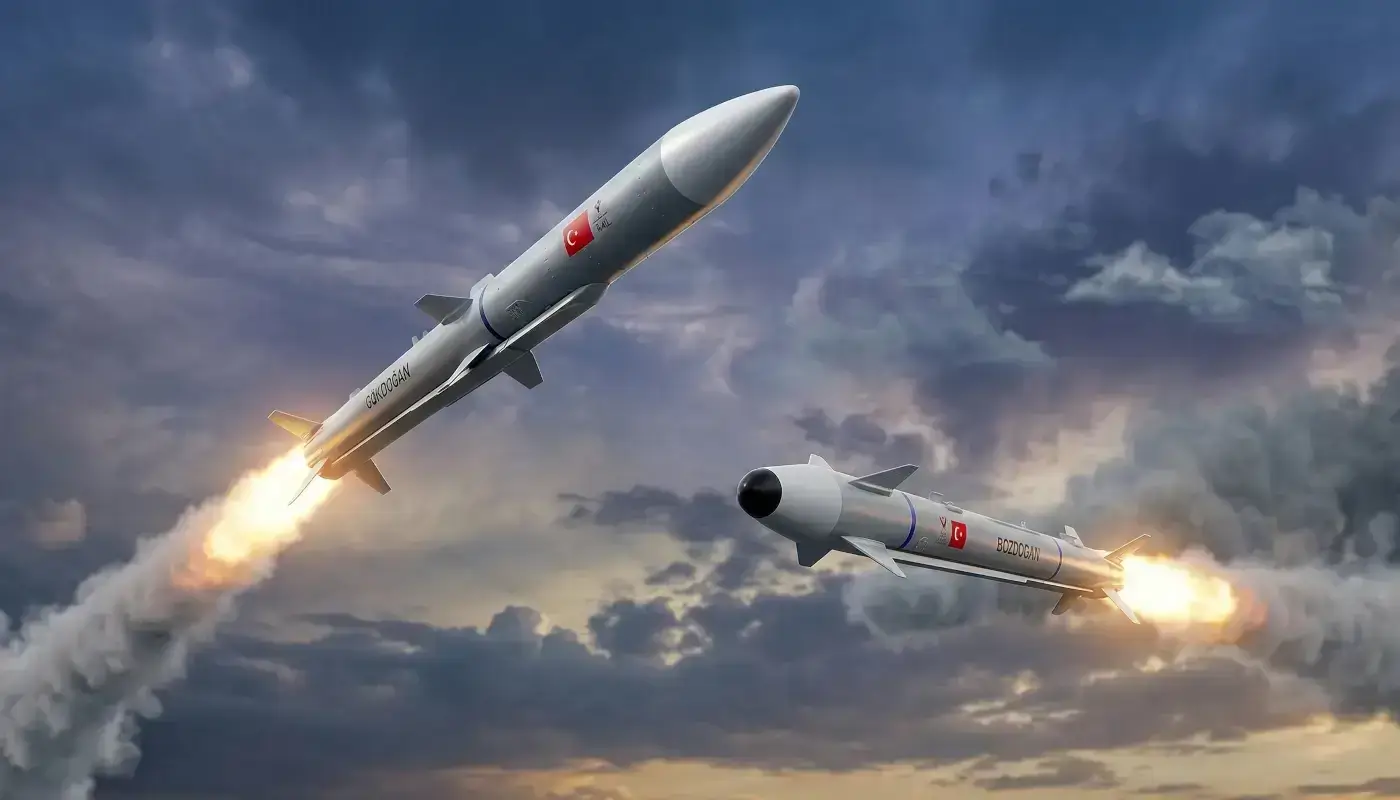
Türkiye's first indigenous air-to-air missiles, GÖKDOĞAN and BOZDOĞAN, have successfully completed their live warhead firing tests, concluding the verification process. The development, announced by Minister of Industry and Technology Mehmet Fatih Kacır on his social media account, means that Turkish fighter jets and unmanned systems can now engage in air combat with domestic missiles. Following this news, attention turned particularly to the GÖKDOĞAN missile, designed to strike targets at beyond visual range.
Not Just a Test, but an Indicator of Deterrence
Mehmet Fatih Kacır assessed the test success with the words, "This is not just a test, but a concrete indicator of our deterrence in the sky, our engineering, and our determination." Congratulating all stakeholders who contributed to the project, especially TÜBİTAK SAGE engineers and technicians, Kacır emphasised that efforts will continue resolutely with the National Technology Move vision.
GÖKDOĞAN: The Domestic Rival to the AIM-120 AMRAAM
GÖKDOĞAN is a Beyond Visual Range Air-to-Air Missile System with high manoeuvrability and advanced countermeasure systems. Featuring a solid-fuel rocket motor, the missile has a range exceeding 65 kilometres and an active radar seeker head. This allows the pilot not to have to continue focusing on the target after launch. GÖKDOĞAN operates on a "fire-and-forget" principle, autonomously progressing towards the target.
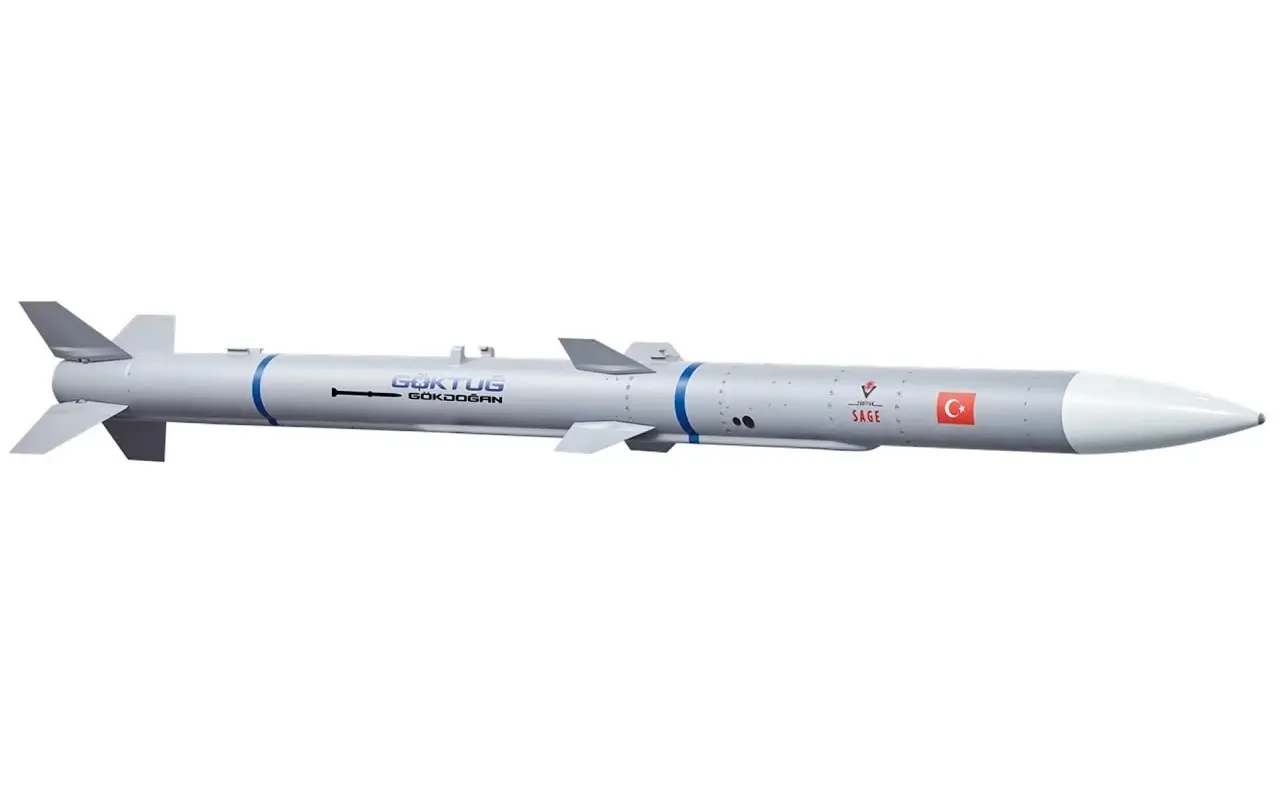
One of the missile's most critical capabilities is its solid-state active radar seeker head technology. This allows the missile to detect and track its target using its own radar. Furthermore, its advanced counter-countermeasure and home-on-jam guidance capability ensures it does not lose the target even in an electronic warfare environment. Thanks to its data link, target information can be updated after launch, and it can lock on after launch.
GÖKDOĞAN's direct rival in the NATO inventory is the US-made AIM-120 AMRAAM. Both missiles have active radar seekers and can engage targets at beyond visual range. While the most advanced version of the AMRAAM, the AIM-120D, has a range exceeding 160 kilometres, GÖKDOĞAN is currently positioned with a 65+ km range. However, GÖKDOĞAN's solid-state radar technology and home-on-jam capability place it at a level competitive with at least the medium versions of the AMRAAM. In the global market, it competes in the same class as rivals such as the Russian R-77 (AA-12 Adder), the French MICA, and the Chinese PL-12.
In the TAF inventory, GÖKDOĞAN will replace the AIM-120 AMRAAM missiles currently used on F-16 fighter jets. This transition is a strategic independence move of critical importance, especially during periods of procurement crises and export restrictions. Furthermore, its integration into armed unmanned aerial vehicles like the AKINCI UCAV could pave the way for unmanned platforms to gain air-to-air combat capability. The ability of the AKINCI to carry GÖKDOĞAN could transform it from merely an attack platform into an interceptor capable of conducting air patrols when necessary. Considering scenarios where the AKINCI has already hit aerial targets with the EREN munition in Sudan, this represents a revolutionary capability leap for unmanned systems.
BOZDOĞAN: The Domestic Successor to the AIM-9 Sidewinder
BOZDOĞAN is positioned as a Within Visual Range Air-to-Air Missile System. Featuring high manoeuvrability, the missile has a range exceeding 25 kilometres and a high-resolution infrared seeker head. What truly distinguishes BOZDOĞAN is its superior manoeuvrability thanks to thrust vector control. This feature provides a critical advantage, especially against evading targets or those performing sudden manoeuvres in close air combat.
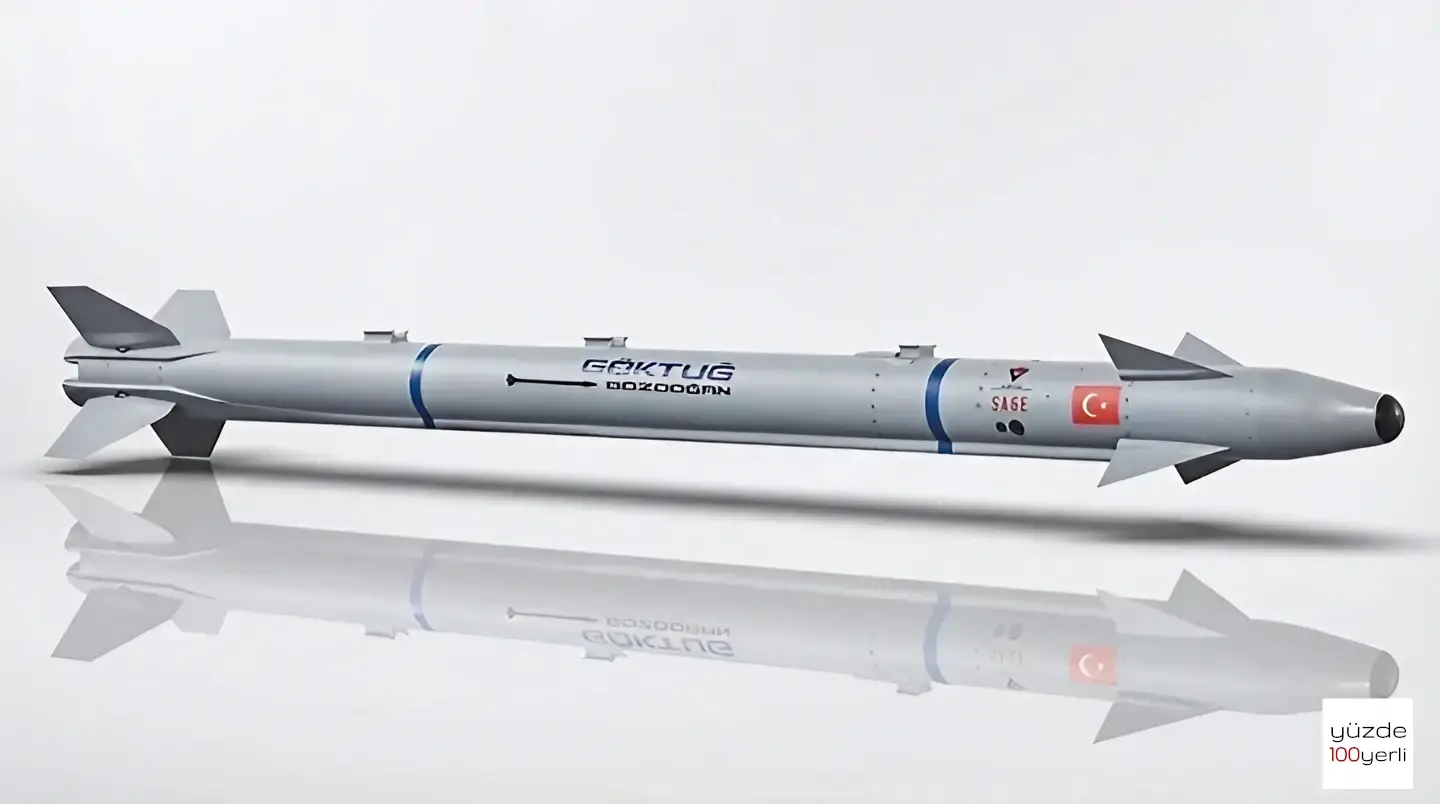
Thanks to its high-resolution infrared seeker providing an excellent off-boresight angle, the missile can lock onto targets even when the pilot is not looking directly at them. This means it possesses the same capability level as the most advanced within-visual-range missiles like the US-made AIM-9X Sidewinder and the Russian R-73. In the global market, it will also compete in the same league as rivals such as the Israeli Python-5, the British ASRAAM, and the German IRIS-T.
In the TAF inventory, BOZDOĞAN will replace the AIM-9 Sidewinder missiles used on F-16s. However, BOZDOĞAN's potential is not limited to manned fighter jets. Armed unmanned aerial vehicles like the AKINCI and AKSUNGUR could, with BOZDOĞAN integration, reach a level where they can defend themselves against aerial threats. On platforms with an unmanned combat aircraft concept like the ANKA-III, BOZDOĞAN could become the primary weapon in dogfight scenarios.
Both missiles are equipped with high-impulse, low-smoke solid-fuel technology and a fully electronic rocket motor safe arming and firing system. This makes the missiles harder to detect at launch while providing a high level of reliability and safety.
GÖKHAN: A New League with a Ramjet-Powered Missile
With the completion of the testing process for GÖKDOĞAN and BOZDOĞAN, attention turned to TÜBİTAK SAGE's next major project, GÖKHAN. The contract for GÖKHAN, which was signed on May 21, 2021, and is still in the ground testing phase, is being designed as a ramjet-powered air-to-air missile.
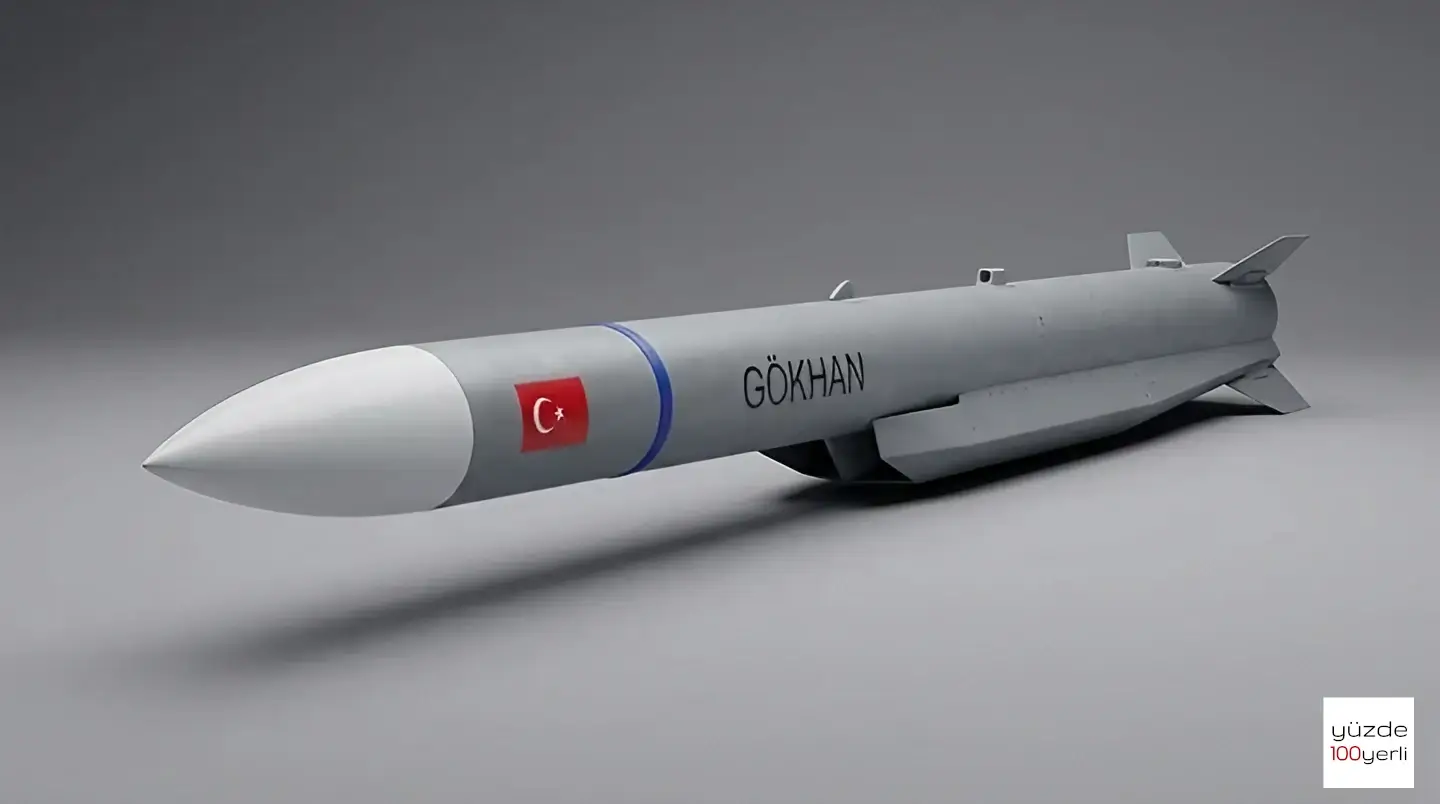
GÖKHAN's counterpart in NATO is the Meteor, considered Europe's most advanced air-to-air missile. Thanks to its ramjet engine, the Meteor maintains its high speed over a long range, offering a unique engagement capability against evading targets. GÖKHAN, using the same technology, will place Türkiye among the select few countries within NATO capable of producing a ramjet-powered air-to-air missile. Upon project completion, it will be possible to neutralise high-value aerial assets like AWACS and tanker aircraft through long-range engagement.
The Door to a New Era for Unmanned Systems
The entry of GÖKDOĞAN and BOZDOĞAN into the inventory is a turning point not only for manned fighter jets but also for unmanned systems. Until now, platforms like the AKINCI and AKSUNGUR have primarily carried out missions with air-to-ground munitions. The first steps of air-to-air capability had been taken with the integration of munitions like EREN and SUNGUR onto the AKINCI. However, the integration of GÖKDOĞAN and BOZDOĞAN onto these platforms will grant unmanned systems true air combat capability.
Especially GÖKDOĞAN's 65+ km range could transform the AKINCI into a "flying air defence battery". Offering beyond visual range engagement capability against enemy UAVs, helicopters, and even fighter jets, this capability could create an operational impact far beyond the successes achieved by the AKINCI with EREN in Sudan. Unmanned combat aircraft projects like KIZILELMA and ANKA-III stand out as the primary carrier platforms for these missiles.
Note
If you have any photos or video footage to support our news story, please share them with us using the information provided on our contact us page.
