


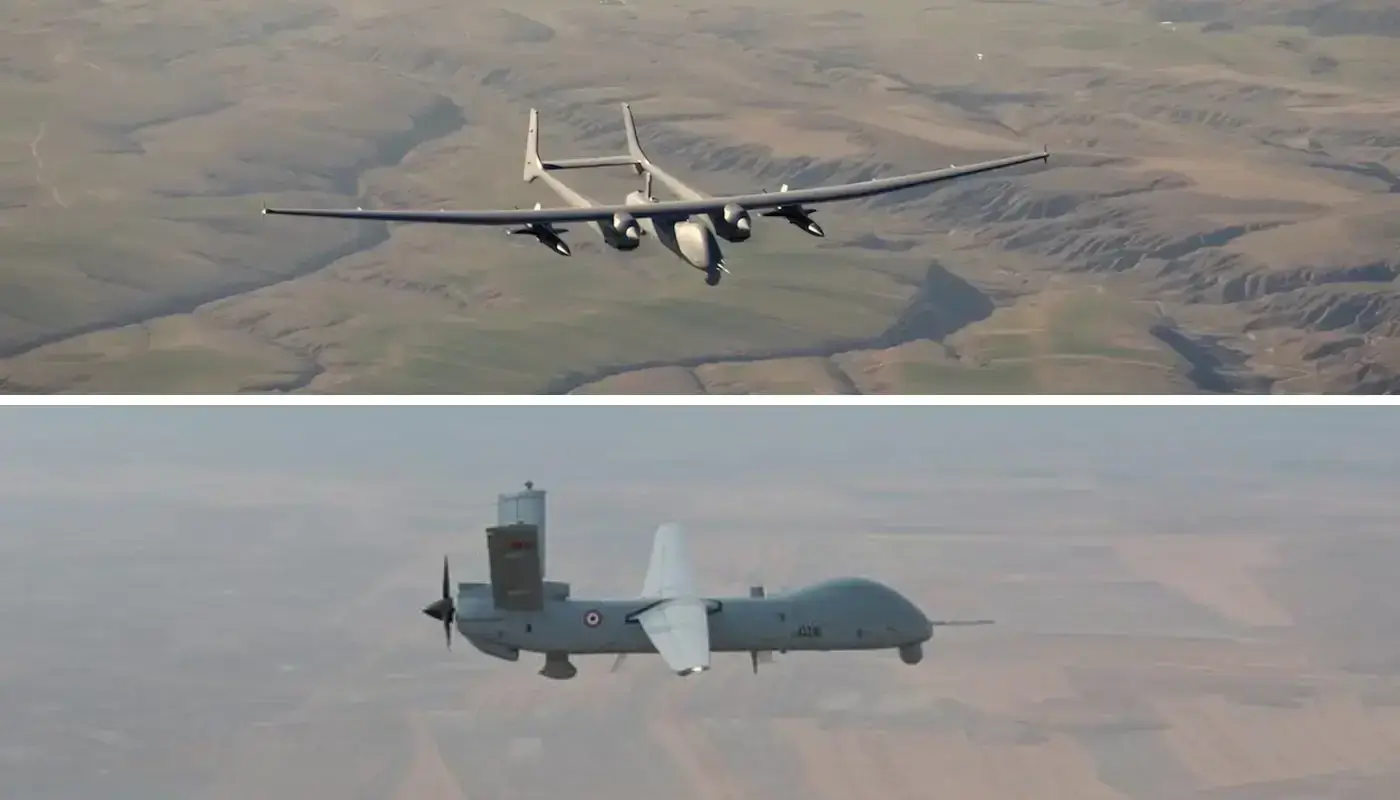
Chile's National Aviation Company (ENAER) has clarified the scope of the memorandum of understanding (MoU) signed with Turkish Aerospace Industries (TAI) at the FIDAE 2026 fair. According to a report by Defensa, the agreement aims to develop a national unmanned aerial vehicle (UAV) based on ANKA or AKSUNGUR platforms, adapted to Chile's operational needs.
Signatures Made at FIDAE 2026
The foundation of the cooperation between TAI and ENAER was laid at the FIDAE 2026 fair held in Santiago, the capital of Chile, in April 2026. During the fair, the parties signed a memorandum of understanding in the UAV field. TAI described the agreement as "a strategic step that will strengthen the ties between the two countries in defence and aviation." While technical details were not shared during the fair, it was seen on May 13 that ENAER and its subsidiary DTS clarified the initial scope of the memorandum.
ANKA or AKSUNGUR: Which Platform Will Be Selected?
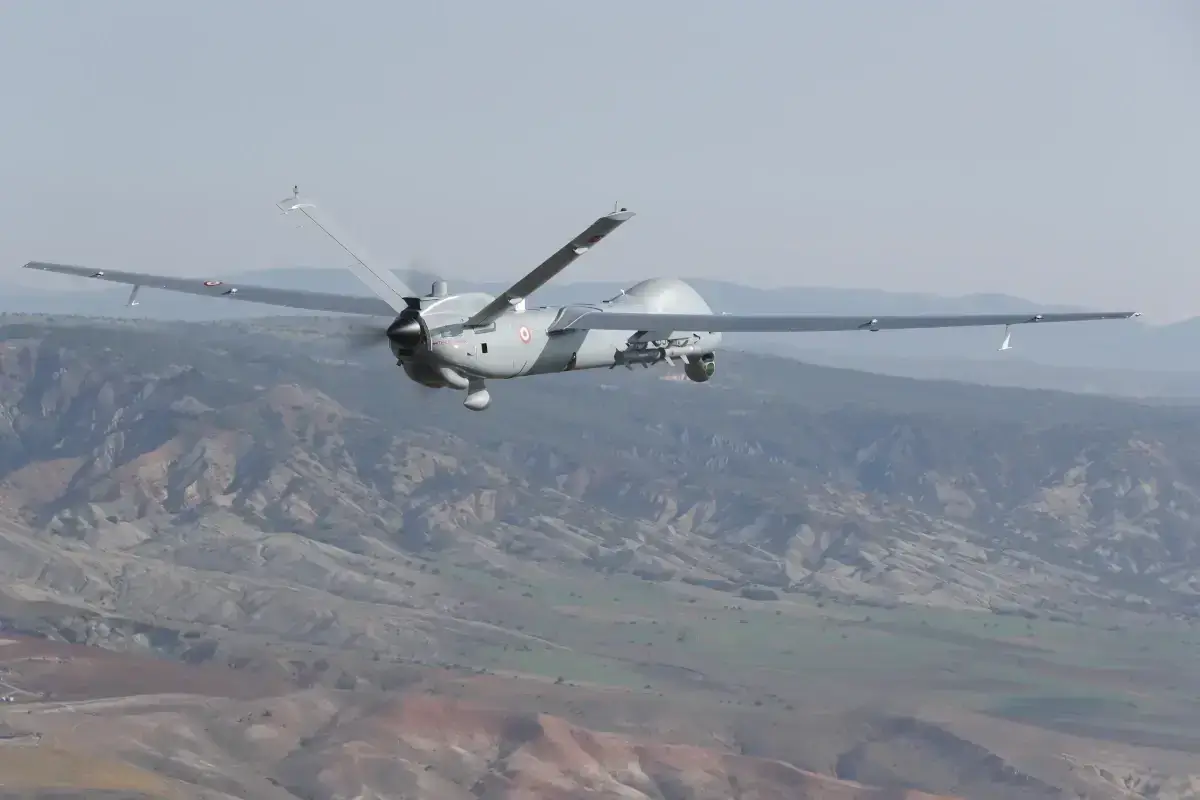
The memorandum focuses on creating a project proposal directly based on combat-proven platforms such as the ANKA or AKSUNGUR. The technical specifications of the UAV to be developed will be fully adapted to the operational requirements of the Chilean Air Force (FACh). Priority areas of interest include surveillance, reconnaissance, and other missions the Chilean Air Force may require.
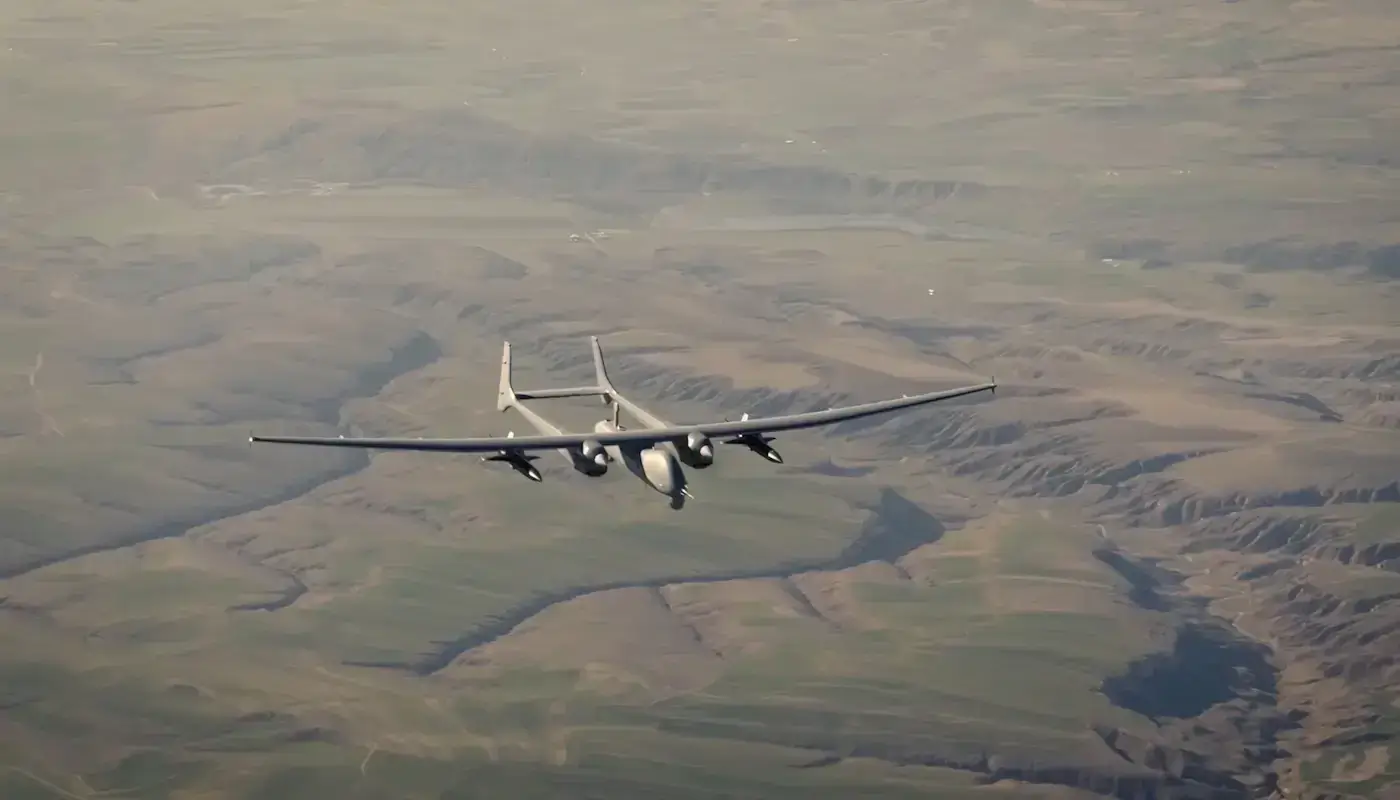
Both platforms belong to the medium altitude long endurance (MALE) UAV segment. TAI has proven itself globally in this segment with the ANKA family and AKSUNGUR. Chile's preference aims not only to acquire proven platforms but also to create added value on Chilean soil, strengthen technological sovereignty, and build a local supply chain in a strategic area for defence.
Emphasis on Technology Transfer and Local Production
According to information received, one of the most striking dimensions of the agreement is the technology transfer mechanism. Engineering teams from ENAER and DTS will actively participate in training and joint design activities to be carried out at TAI's facilities in Türkiye. This will allow Chilean professionals to gain direct experience in MALE UAV technology, the maturity of which TAI has proven through successful exports and real-world operations.

It is also among the information received that the signed memorandum includes the local production of selected components at ENAER's facilities in Chile and the development of electronic systems tailored to Chile's specific needs by DTS.
TAI's Latin America Strategy
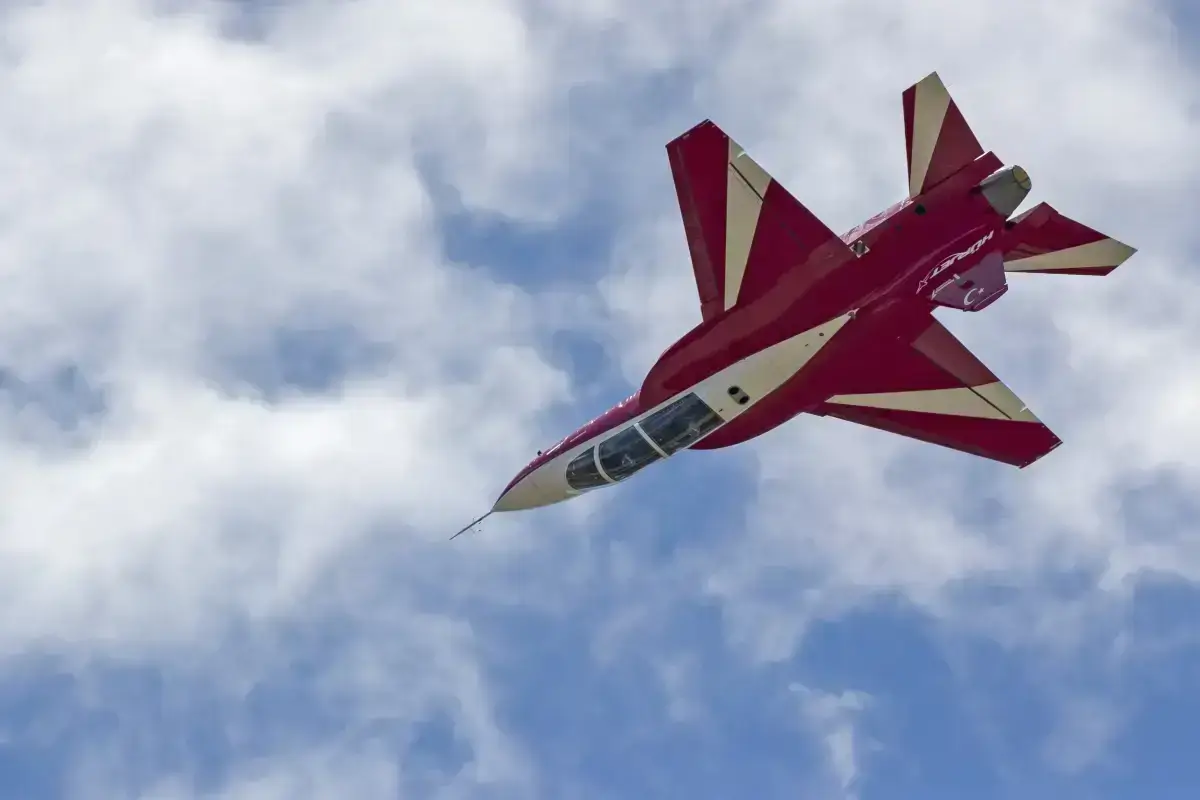
This memorandum signed with Chile also represents TAI's growing presence in the Latin American market. According to a report by A5 Magazine in April 2026, TAI is promoting its AKSUNGUR and ANKA UAVs, as well as the HÜRJET jet trainer aircraft, in the region.
According to an analysis by Zona Defensa, TAI offers a proven ecosystem ranging from maintenance services to MALE platforms, from high-speed drones like Şimşek to the stealth unmanned combat aircraft ANKA-III.
Chile's Motivation
This agreement is part of ENAER's broader initiative, together with the Air Force and DTS, to develop its own capabilities in dual-use unmanned systems. Many countries in South America are seeking ways to reduce their foreign dependency on unmanned systems.
ENAER, as one of the region's established aviation organisations, is an experienced company in aircraft maintenance, repair, and modernisation. ENAER had previously completed the modernisation of C-130 Hercules aircraft and the life extension work for T-35 Pillan trainer aircraft.
How Will the Process Proceed?
The coming months will be critical for taking the first steps in personnel training. This alliance, established at a time when unmanned aviation is gaining increasing importance in modern scenarios, will support the Chilean aviation industry in achieving greater autonomy and international competitiveness.
Note
If you have any photos or video footage to support our news story, please share them with us using the information provided on our contact us page.
