


Minister of Transport and Infrastructure Abdulkadir Uraloğlu In a statement made via social media, he announced a giant step in the Middle East that will both revive a historical legacy and reshape the dynamics of regional trade. As a result of a technical meeting held between the Ministries of Transport of Turkey, Syria, and Jordan, a legacy of Sultan Abdul Hamid II will be restored. Hejaz Railway‘An agreement was reached on the revitalization of the route and the resumption of land transportation through Syria, which has been closed for 13 years. This agreement opens a new trade gateway for Türkiye to the Red Sea, while also standing out as a concrete demonstration of stability and cooperation in the region.
Historic Transport Agreement Between Türkiye, Syria and Jordan
Minister of Transport and Infrastructure Abdulkadir Uraloğlu announced that the technical meetings held between Türkiye, Syria, and Jordan have been successfully concluded and that an agreement has been reached on a draft Memorandum of Understanding encompassing multifaceted cooperation among the three countries. Minister Uraloglu‘'nun “"The historic Hejaz Railway is being revived."” This development, which he announced with these words, ignited a long-term and strategic project aimed at integrating the region's transportation infrastructure. This tripartite mechanism not only revives the traces of the past but also lays a strong foundation for future international transportation corridors.
The Past and Present of the Hejaz Railway
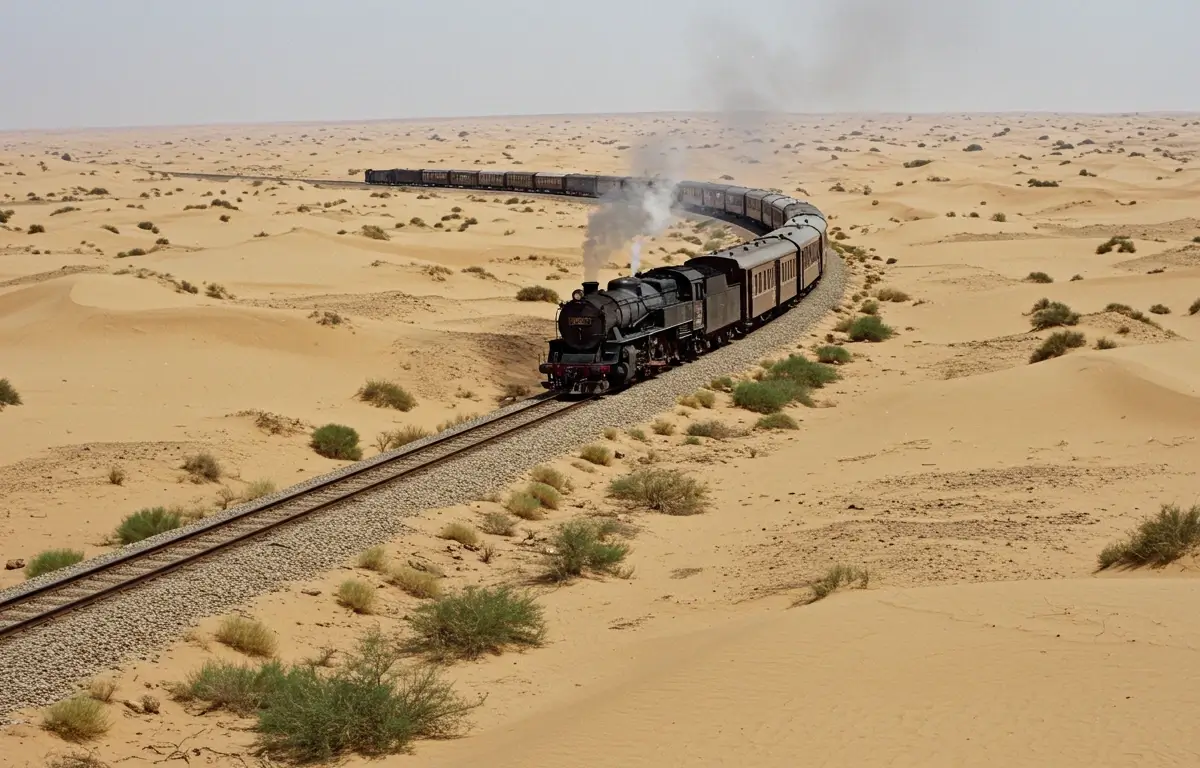
The Hejaz Railway was not just a transportation project, but also a project of civilization and faith. Between 1900 and 1908, the Ottoman Sultan... Sultan Abdulhamid II‘With this vision, the railway line built between Damascus and Medina served crucial purposes such as facilitating the Hajj pilgrimage from Istanbul to the holy lands, ensuring the security of the region, and increasing the Ottoman Empire's influence there. Funded by donations from Muslims around the world, this project was one of the greatest technological and logistical achievements of its time.
The revitalization of the railway line, which was largely destroyed during World War I and has not been fully operational since then, is part of Türkiye's vision to preserve its historical heritage and repurpose it in line with the needs of the modern world.
Cooperation Extending from Rail to Road, from Aqaba Port to the Red Sea
The agreement reached as a result of the tripartite meeting outlines the concrete steps of the project. The key points of the agreement are as follows:
- Railway Infrastructure is Nearing Completion: One of the most critical shortcomings of the line is its presence in Syrian territory. The 30-kilometer superstructure was constructed with the technical and logistical support of Türkiye. It will be completed. This is the most important step taken towards an uninterrupted rail connection.
- Technical Cooperation: Jordan will support the project by exploring technical capabilities for the maintenance, repair, and operation of locomotives in Syria. This is vital for the operational sustainability of the line.
- A New Gateway to the Red Sea: One of the most strategic clauses of the agreement is Jordan's Red Sea coast. Port of Aqaba The agreement involves conducting joint technical studies that will strengthen Türkiye's connection to the region. This means a new southern trade gateway for Türkiye.
- Road Transport is Restarting: Perhaps the most concrete and quickest way to achieve results is through this development., The first major development is the resumption of road transport between Türkiye and Jordan via Syria, after a 13-year hiatus.
How Will Road Transport via Syria Transform Regional Trade?
Due to the civil unrest that began in Syria in 2011, the shortest and most economical land route between Turkey and Jordan and the Gulf countries was closed. For years, Turkish trucks have been forced to use alternative routes, such as sea transport, which are more costly and time-consuming. The reopening of the Syrian transit route with this agreement marks a milestone for regional trade. This development;
- It will significantly reduce shipping costs and times,
- This will facilitate Türkiye's exports to Middle Eastern markets.,
- It will increase economic integration among the countries in the region.,
- It will make a significant economic contribution to the normalization and stabilization process in the region.
Not Just a Train, but a Regional Power Corridor
Reviving the Hejaz Railway and creating integrated transportation corridors will provide Türkiye with multifaceted strategic advantages. Port of Aqaba Thanks to this connection, Turkey will gain a new logistics corridor that could be an alternative to the Suez Canal, providing faster access to East African and Asian markets via the Red Sea. This project strengthens Türkiye's "Middle Corridor" vision on the southern axis as well, serving its goal of making the country a logistics hub not only on the east-west axis of Eurasia, but also on the north-south axis.
Note
If you have any photos or video footage to support our news story, please share them with us using the information provided on our contact us page.
