


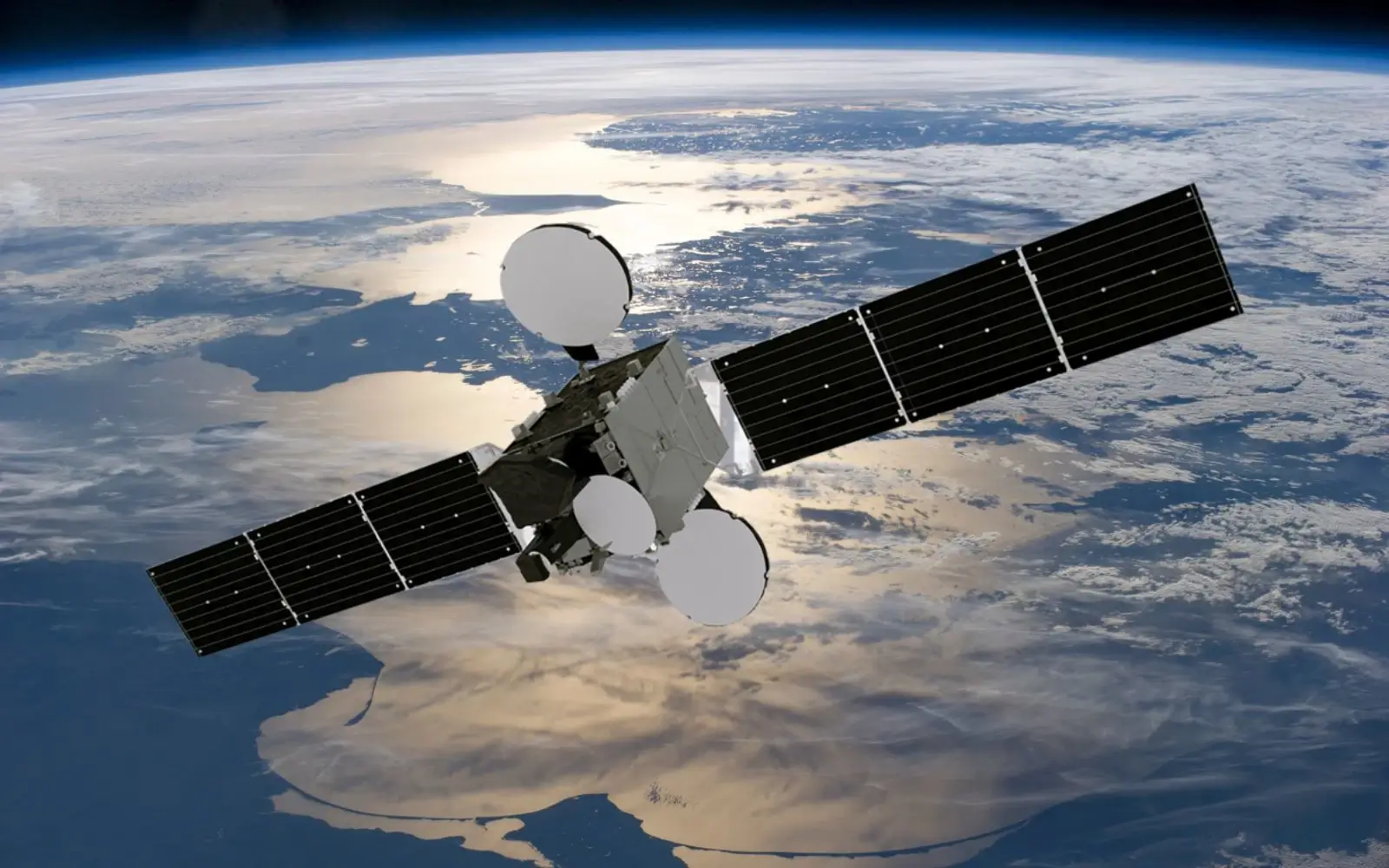
Verification tests of TÜRKSAT 6A in orbit, one of Türkiye's important steps in space technologies, are continuing by TÜBİTAK.
The testing processes of the domestically produced communications satellite are reinforcing Türkiye's position in the space race, while also bringing with them many technical and strategic details.
Following its launch, TÜRKSAT 6A underwent a series of critical tests. These tests included the satellite's separation from the launch vehicle, orbital transfer, and early operational phase. Verification of key functions such as the flight computer, power regulation systems, and antenna tests was carried out to ensure the satellite's adaptation to the space environment. During this phase, the satellite's power systems, communication capabilities, and overall robustness were tested.
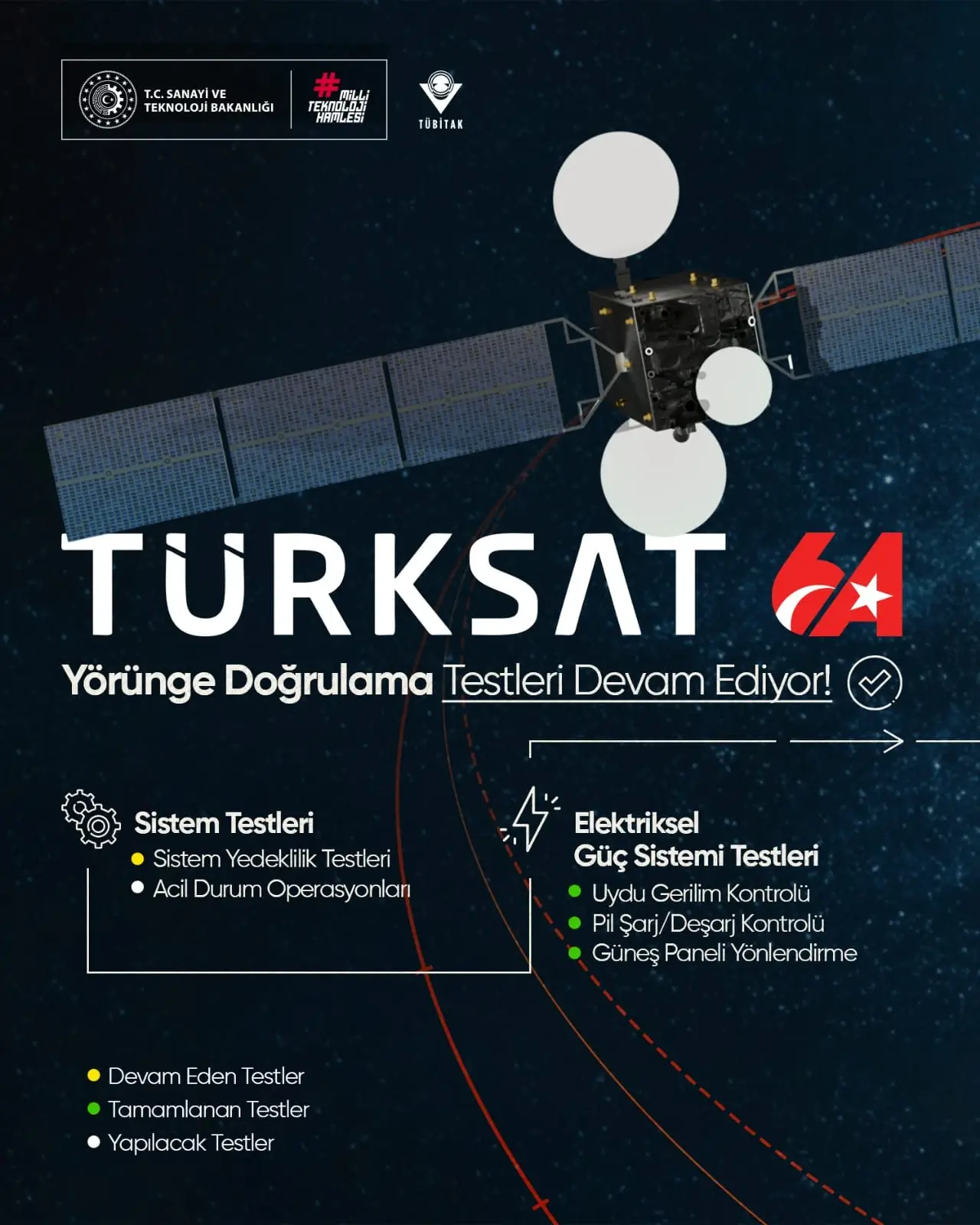
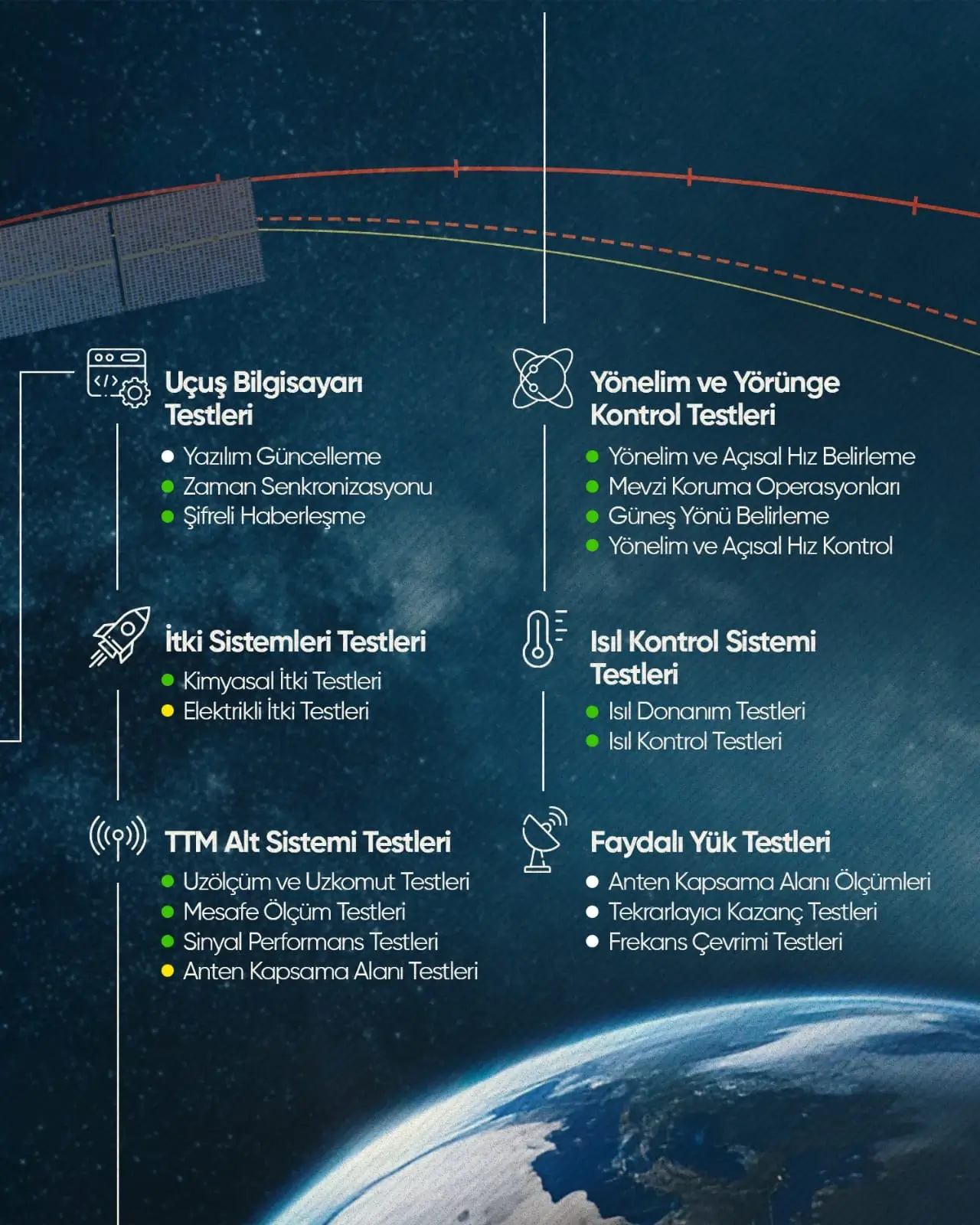
Future tests will include full-capacity operational tests, orbital maneuverability tests, and long-term endurance tests. These tests will ensure that TÜRKSAT 6A is prepared for all scenarios it may encounter throughout its lifespan. Testing the satellite's capacity to broadcast on different frequencies and to various geographical locations is also planned. These tests will also check whether the satellite is ready for new markets such as Southeast Asia.
The Importance of TURKSAT 6A:
TURKSAT 6A represents not only Türkiye's progress in space technologies but also its independent communications capacity. This satellite will enable Türkiye to communicate with 3.5 billion people worldwide and will particularly strengthen connections with countries such as India, Thailand, Malaysia, and Indonesia.
The in-orbit verification tests of TÜRKSAT 6A demonstrate Türkiye's competence in space technologies and its ambition to play a larger role on the international stage. The successful completion of these tests will reinforce Türkiye's strategic position in the space race and will be a significant milestone for future space projects.
Note
If you have any photos or video footage to support our news story, please share them with us using the information provided on our contact us page.
