


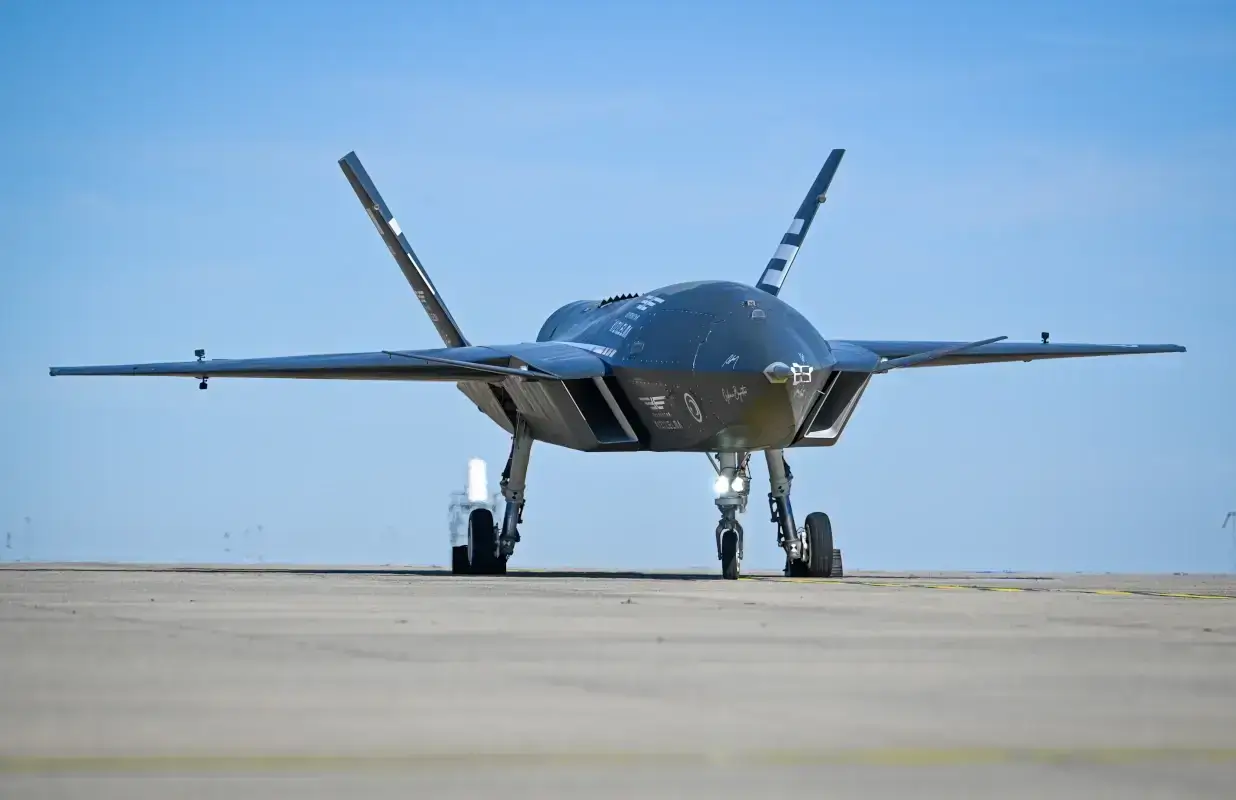
The hidden diplomatic and strategic processes behind the export contract for the Bayraktar KIZILELMA, which dominated the SAHA EXPO 2026 exhibition, have come to light. In an exclusive interview with Anadolu Agency, Baykar General Manager Haluk Bayraktar revealed that the company initially had no plans to export the unmanned fighter aircraft at this stage. However, following persistent, high-level requests from Indonesia, export doors were opened earlier than scheduled. Why did Indonesia, Southeast Asia's largest military power, wait at the door for an entire year for a platform that has not yet entered the Turkish Armed Forces (TAF) inventory? According to global defence analysts, this persistent diplomacy is driven by geographical imperatives, sixth-generation warfare doctrines, and a massive technology transfer vision established with Türkiye.
"We Were Holding Back; They Requested It at the Presidential Level"
In the routine operation of a military procurement process, manufacturers typically conduct marketing activities to sell their products. However, Haluk Bayraktar's statements indicate that the KIZILELMA project operated through a reverse diplomacy. Bayraktar shared a strategic detail, noting that they had not actually opened KIZILELMA to international markets.
Bayraktar summarised the process with these words:
"We are not really marketing KIZILELMA. Our priority was for this concept to be established in our own country and to meet our domestic requirements first. Indonesia had been wanting to sign a contract with us for over a year, but we were holding back to allow the testing phases to be completed. There was intense interest in this platform at the level of the Indonesian President and the Ministry of Defence."
These remarks demonstrate that the persistent demand from the Asia-Pacific nation led Baykar to flex its "Türkiye-first" principle, resulting in the historic contract for 12 units signed at SAHA EXPO.
Geographical Landscape of Thousands of Islands and Short-Runway Advantages
The primary motivation behind Indonesia's presidential-level insistence on KIZILELMA lies in the country's vast and fragmented geographical structure. Comprised of more than 17,000 islands, Indonesia must protect an extensive maritime jurisdiction. The logistical and financial burden of patrolling such a wide area with conventional fighter jet fleets reaches billions of dollars.
KIZILELMA offers a cost-effective force multiplier for the Indonesian military. In particular, the aircraft's ability to take off and land from short-runway ships and remote island bases with limited infrastructure is of vital importance to the Jakarta administration. Through this platform, Indonesia aims to ensure absolute deterrence in the disputed maritime borders of the Asia-Pacific without constructing multi-billion-dollar massive airbases.
"Loyal Wingman" Doctrine and the KAAN Vision
The second and most strategic motivation for Indonesia is the future concept of aerial warfare. According to defence analysts, Indonesia plans to utilise KIZILELMA as a "Loyal Wingman". A more striking detail is that this integration is directly linked to Türkiye.
As will be recalled, Indonesia has shown great interest in the TAI-produced KAAN Fifth-Generation Fighter Aircraft programme and has held talks regarding aircraft procurement. The Indonesian Air Force intends to fly the 5th-generation manned fighter aircraft (KAAN) it will add to its inventory in the future alongside KIZILELMA swarms. In a potential conflict, KIZILELMA units would fly ahead to saturate enemy air defence systems (SEAD/DEAD), perform electronic jamming, and keep the expensive manned aircraft away from high-threat zones.
A New Export Model in the Global Defence Market
An unmanned fighter aircraft finding a direct buyer from a highly competitive market like the Asia-Pacific while still in the early stages of mass production represents a rare procurement model in the global aviation sector. The behind-the-scenes process shared by Haluk Bayraktar reveals how trust in companies producing field-proven platforms can reshape national procurement schedules and bureaucracies.
Indonesia's determination in its KIZILELMA request is the most concrete evidence that Asia-Pacific nations wish to accelerate the transition to unmanned and autonomous systems in their air defence doctrines. In the coming period, this export agreement will serve as a powerful reference project in the international market for the global proliferation of the "Loyal Wingman" concept, where unmanned fighter aircraft are used in integration with manned systems.
Note
If you have any photos or video footage to support our news story, please share them with us using the information provided on our contact us page.
