


Türk Telekom and ASELSAN, the engineering powerhouse of the defence industry, have signed a strategic cooperation to reduce foreign dependency in communication technologies. The partnership, which also includes the Ankara Chamber of Commerce (ATO) and the Turkish World Business Council as stakeholders, aims to develop domestic smartphones, user devices, and hardware/software for communication infrastructure.
Roadmap Determined, Concrete Steps Taken
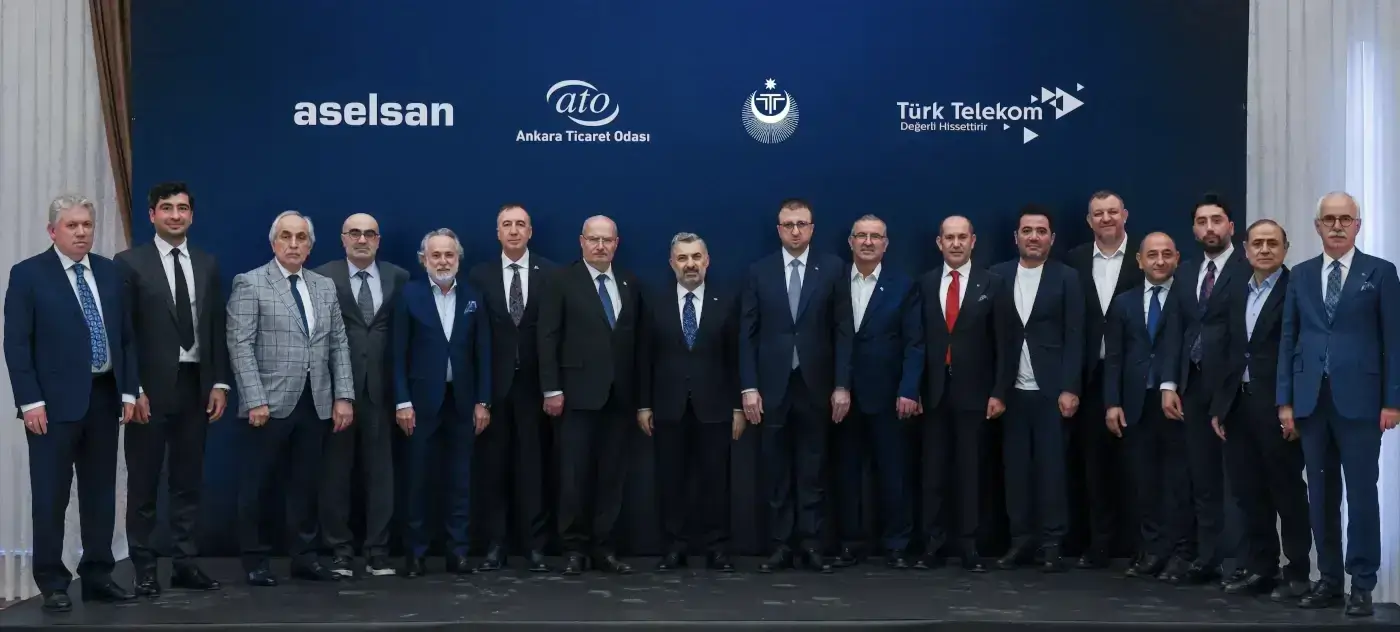
The project's roadmap and main cooperation topics were clarified in a meeting attended by Türk Telekom CEO Ebubekir Şahin, ASELSAN CEO Ahmet Akyol, ATO President Gürsel Baran, and Turkish World Business Council President Aydın Erkoç. Speaking after the meeting, Şahin gave the good news of the domestic and national smartphone with the following words:
"Thanks to this strong partnership, the roadmap for our domestic and national device project has been determined, and the first concrete steps have been taken for its implementation."
Emphasising that Türk Telekom is not just a telecommunications company, Şahin stated:
"We are a technology company designing Türkiye's future. The over 70 international patents of our subsidiaries Argela and Netsia in advanced technologies are the greatest proof of our innovation power in this field."
The Unfinished Story of 1997: ASELSAN 1919
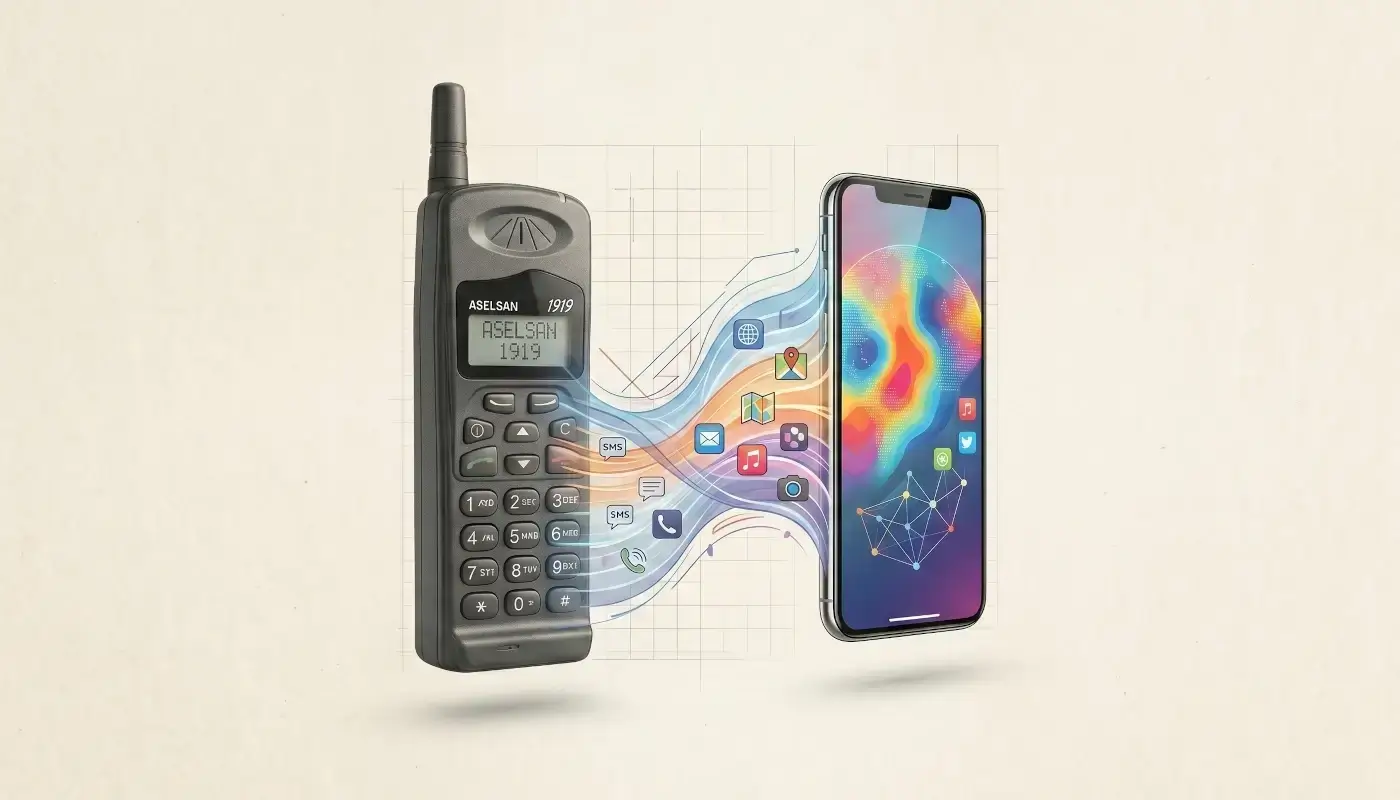
This partnership also carries the opportunity for ASELSAN to complete an unfinished story. The company had started domestic mobile phone development efforts 30 years ago, in 1994, with an engineering team of approximately 80 people. After three years of R&D and an investment of nearly $5 million, the ASELSAN 1919 model was launched in 1997.
Named after Mustafa Kemal Atatürk's date of landing in Samsun, the phone was a device ahead of its time with its 185-gram weight, vibration feature, 315-contact phonebook, and a special security layer against eavesdropping. The first batch of 500 units was produced, and with over 5,000 units sold to 10 different countries in a short time, it made Türkiye one of the 9 countries in the world producing mobile phones.
However, due to patent disputes, insufficient investment from the government of the period, and aggressive market strategies of global rivals like Nokia, the project could not be sustained. Production ceased in 1999.
Now, the same ASELSAN is restarting this unfinished story from a much more advanced point. Moreover, this time the goal is not just a mobile phone, but an end-to-end national communication ecosystem, from its processor to its operating system, from its network infrastructure to its security layer.
ASELSAN's Communication Expertise
ASELSAN CEO Ahmet Akyol drew attention to the company's deep-rooted history in communication. "ASELSAN's first field of activity was communication. Our founding philosophy includes producing military communication devices domestically. To date, we have produced and delivered over 1 million communication systems to the field," said Akyol, reminding that critical communication infrastructures were established across Türkiye with the JEMUS and KETUM projects implemented for the Police and Gendarmerie.
Akyol noted that recent conflicts around the world have revealed the critical importance of communication infrastructure and devices in terms of security, stating, "With its field experience in communication technologies, production capacity, and critical infrastructure establishment competence, ASELSAN is a natural and powerful part of this ecosystem."
Türk Telekom's International Technology Moves
Şahin also emphasised that Türk Telekom already exports technology on an international scale. He stated that the synchronisation product developed with Sweden's Net Insight was commercialised, and Open RAN solutions along with RIC and SEBA products are actively used both in Türkiye and in various countries around the world.
Şahin said, "As one of the largest investors in our sector, our infrastructure moves and R&D efforts are of great importance in our vision of building our country's digital future with domestic resources."
Not Assembly, But End-to-End Domestic Production
The most critical point distinguishing this partnership from similar ones is that the goal is not merely to assemble components and stick a brand label on them. Türk Telekom and ASELSAN aim to develop domestic solutions for all critical sub-systems, from processor architecture to operating system, from the security layer to compatibility with network infrastructure.
When ASELSAN's half-century of field experience in military communication combines with the R&D power of Türk Telekom's subsidiaries Argela and Netsia, which hold over 70 international patents, the result is expected to be not just a device, but an integrated technology platform that breaks foreign dependency, is exportable, and most importantly, carries no national security risks.
Quadruple Partnership Structure for a Domestic Mobile Phone
One of the striking aspects of the collaboration is its multi-partner structure. Türk Telekom's technology company identity, ASELSAN's defence industry and engineering power, ATO's business network, and the Turkish World Business Council's international connections come together. This structure indicates that the smartphones to be developed may be aimed not only at the Turkish market but also at export markets, primarily the Turkish Republics.
What Devices Will Be Developed with the ASELSAN and Türk Telekom Partnership?
According to the announced roadmap, the partnership focuses on three main areas: domestic smartphones, user devices, and communication infrastructure hardware and software. Specific product details or a launch schedule have not yet been shared. However, the transfer of ASELSAN's expertise in military communication to the civilian market seems likely to form the technical backbone of the project.
Note
If you have any photos or video footage to support our news story, please share them with us using the information provided on our contact us page.
