


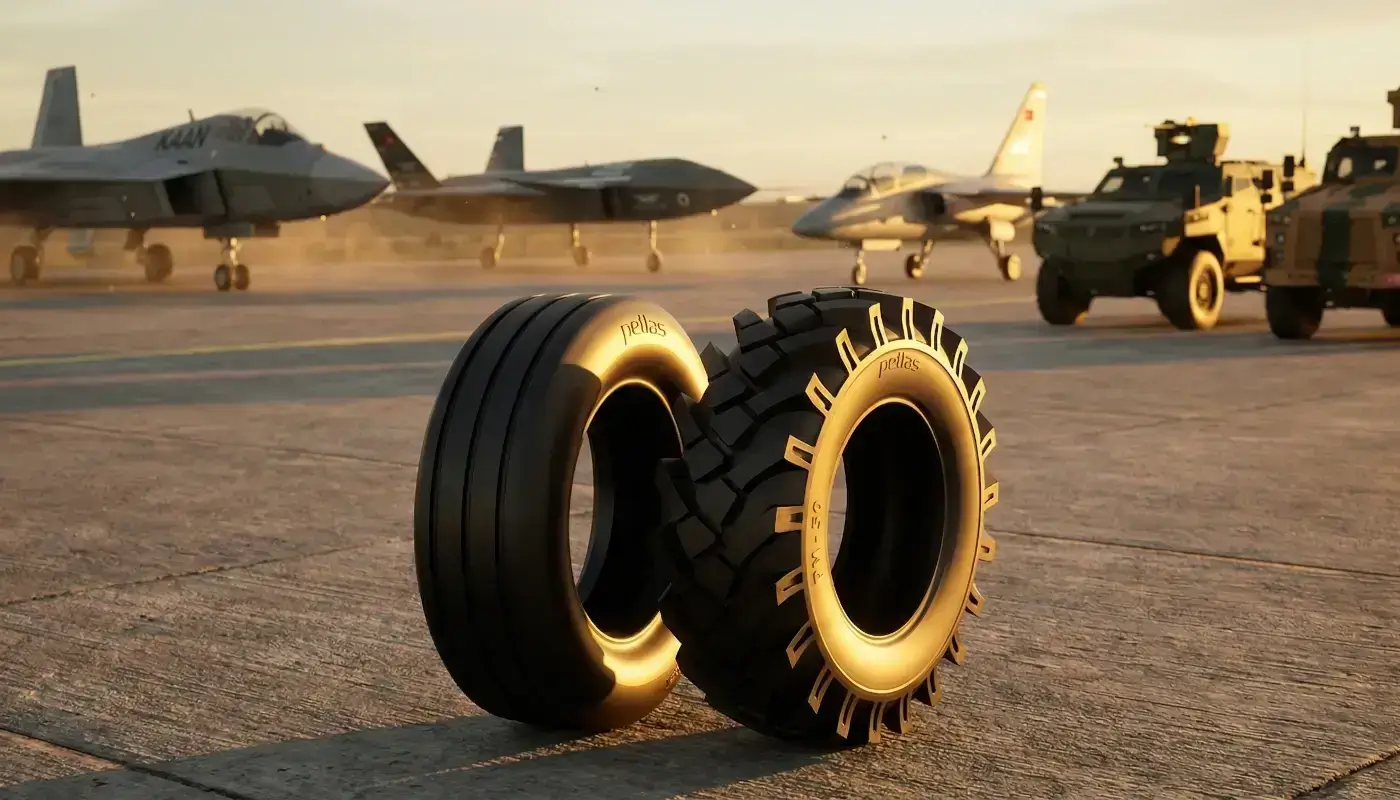
When discussing domestic and national defense industry projects, engines, radars, and avionics systems usually come to the forefront. However, the critical component that enables fighter jets weighing tons to land safely on the runway or armored vehicles to move under a hail of bullets is often overlooked. This time, Yuzde100yerli.com is shifting its focus. We are examining the domestic tire technologies and their strategic importance that "keep" national platforms from KAAN to KIZILELMA, from Kirpi to Pars, afloat.
When a new defense industry project is announced, the first questions that come to mind are clear: “Is the engine domestically produced?”, “Who developed the software?”, “What is the range of the radar?”. These questions are perfectly valid and appropriate. The complete independence of a platform is measured by the percentage of domestically produced critical subsystems. However, this time, we want to slightly change the perspective of technology enthusiasts and defense industry buffs. We are focusing on the point of contact with the ground that enables steel birds in the sky or armored vehicles on the border to complete their missions and return safely to their bases: the tires.
Whether it's that critical moment when a UAV makes a hard landing on the runway, or the maneuvering of an 8x8 armored vehicle on rocky terrain, tires are the most strategic component, determining crew safety and operational continuity as much as performance.
From the outside, it might be easy to dismiss it as just a hoop made of rubber. But when it comes to a fighter jet's landing gear or a military vehicle under threat of mines, the matter goes beyond simple rubber production. A heavy engineering discipline comes into play, involving high speed and load index, layered fuselage structure, carcass strength, high temperature management, and international aviation certifications. This story, stretching from jets facing the risk of not being able to take off during the 1974 Cyprus Peace Operation because "aircraft tires could not be found," to a Türkiye that today produces the tires for its own 5th generation fighter jet (MMU KAAN), is a summary of a revolution.
A Giant Born from the Embargo: Petlas' Strategic Survival Story
To understand Petlas's role in the defense industry and its current position, it's important to recall its founding motivation. Following the 1974 Cyprus Peace Operation, it faced severe embargoes. Jets in the Turkish Air Force's inventory risked being grounded in hangars due to a lack of spare tires. On that day, with the state's initiative, Petlas was founded with the motto, "We will never be without tires again." Petlas transformed into a massive industrial powerhouse when it joined the AKO Group in 2005. Today, its "Mega Factory" in Kırşehir serves as Europe's largest tire production facility under one roof. Petlas has evolved into an R&D center that not only meets needs but also develops platform-specific technologies.
KAAN: 30-Layer Engineering for 5th Generation Aircraft
The largest and most complex project in Turkish aviation history. National Combat Aircraft KAAN, This is a 5th generation fighter jet that demands superior performance not only in the sky but also on the runway. A fighter jet tire differs completely from a passenger car tire due to the laws of physics. We are talking about a structure that must absorb and brake the aircraft's tons of weight and vertical impact load in a fraction of a second, approaching speeds of 300 km/h during takeoff and landing.
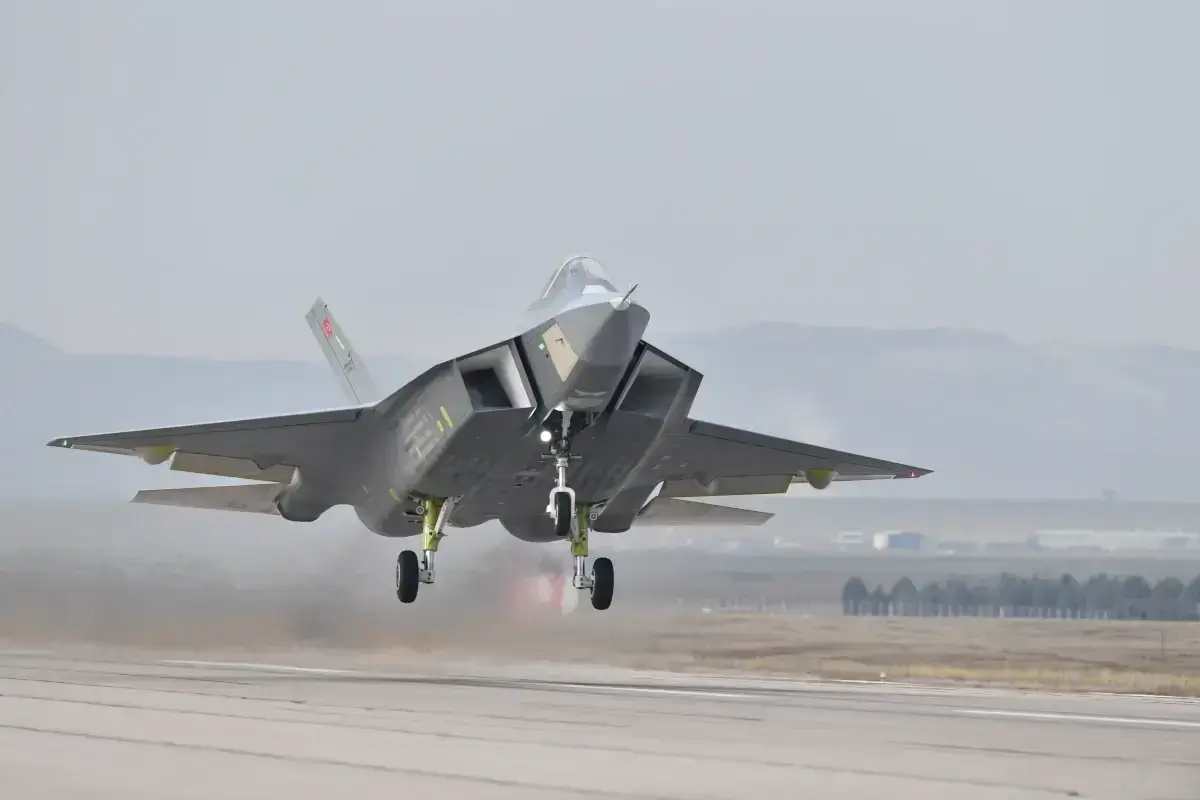
Petlas is pushing the boundaries of engineering for the KAAN project. 36×11.0-18 They developed a custom main landing gear tire for the project, in specific dimensions. The most striking element in the technical details of this tire is:, 30-story (30 PLY) It has a reinforced body structure.
What does 30 PLY mean?
A standard passenger car tire has 1 or 2 layers of body material. In trucks, this number can reach 10-14 layers. However, KAAN's tire has 30 layers;
- High Pressure Resistance: It allows the tire to maintain the pressure of the nitrogen gas, which is injected into it at a level of hundreds of PSI.
- Load Carrying Capacity: It carries the aircraft's fully loaded takeoff weight (MTOW) and its dynamic weight combined with the "G-force" during landing without deformation.
- Thermal Management: It protects the structural integrity of the tire against hundreds of degrees of heat generated by the discs and friction during braking.
The fact that KAAN made its first flight and subsequent tests with these domestically produced tires is the most concrete evidence of the success of TUSAŞ and Petlas engineers in subsystem integration.
KIZILELMA: Unmanned Power at Jet Speed
Developed by Baykar Bayraktar KIZILELMA (MIUS), Although unmanned, it has the form and speed of a jet aircraft. Unlike propeller-driven UAVs, jet-powered platforms have much higher takeoff and landing speeds. This increases the coefficient of friction and the risk of wear that the tire experiences when it contacts the asphalt.
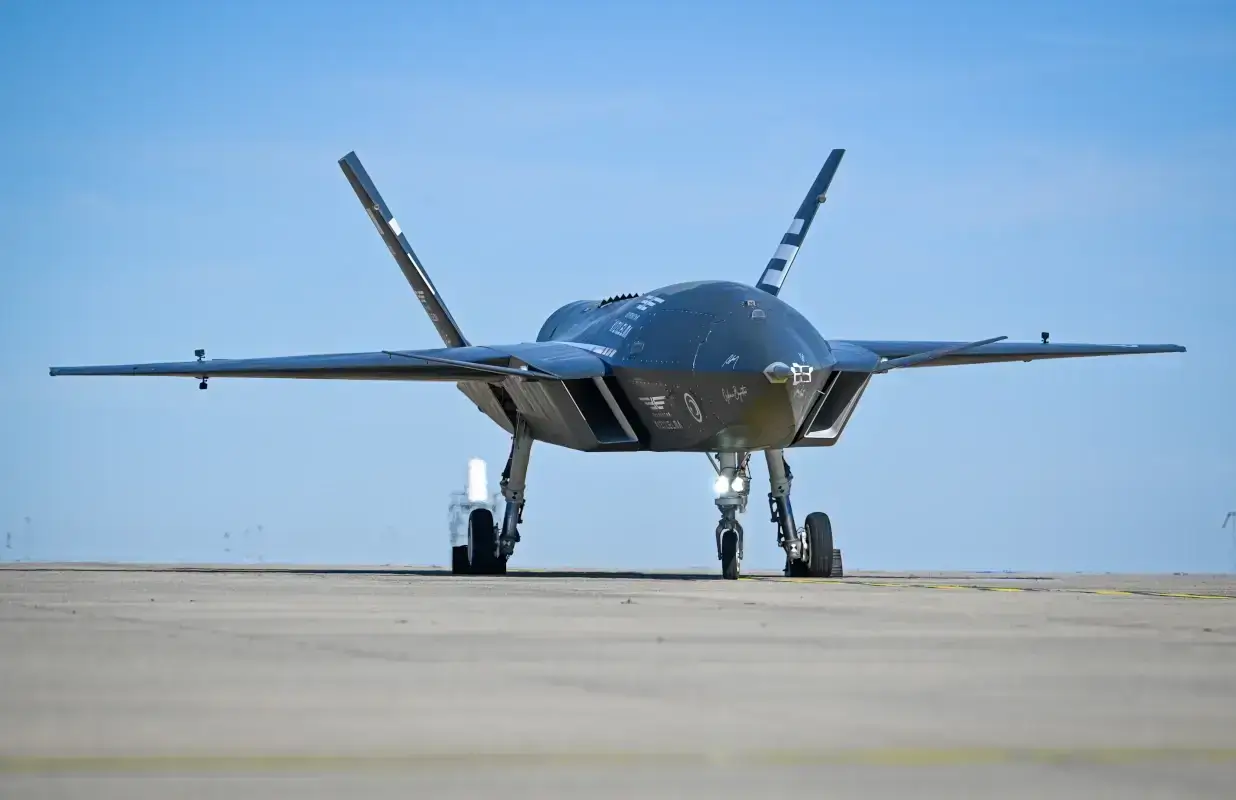
Petlas's R&D team developed a special rubber compound formulation for KIZILELMA. This compound resists thermal shocks caused by sudden acceleration and hard braking, while simultaneously maximizing runway grip. This special technology ensures KIZILELMA's contact with the ground at every stage, from tire shear tests to supersonic preparation flights.
TCG Anadolu and Bayraktar TB3: The Challenging Test of the Short Runway
The newest member of the national UAV saga. Bayraktar TB3, It was designed to land and take off from ships with short runways, such as TCG Anadolu, achieving a world first. This operational concept represents a completely different level of challenge in terms of tire technology.
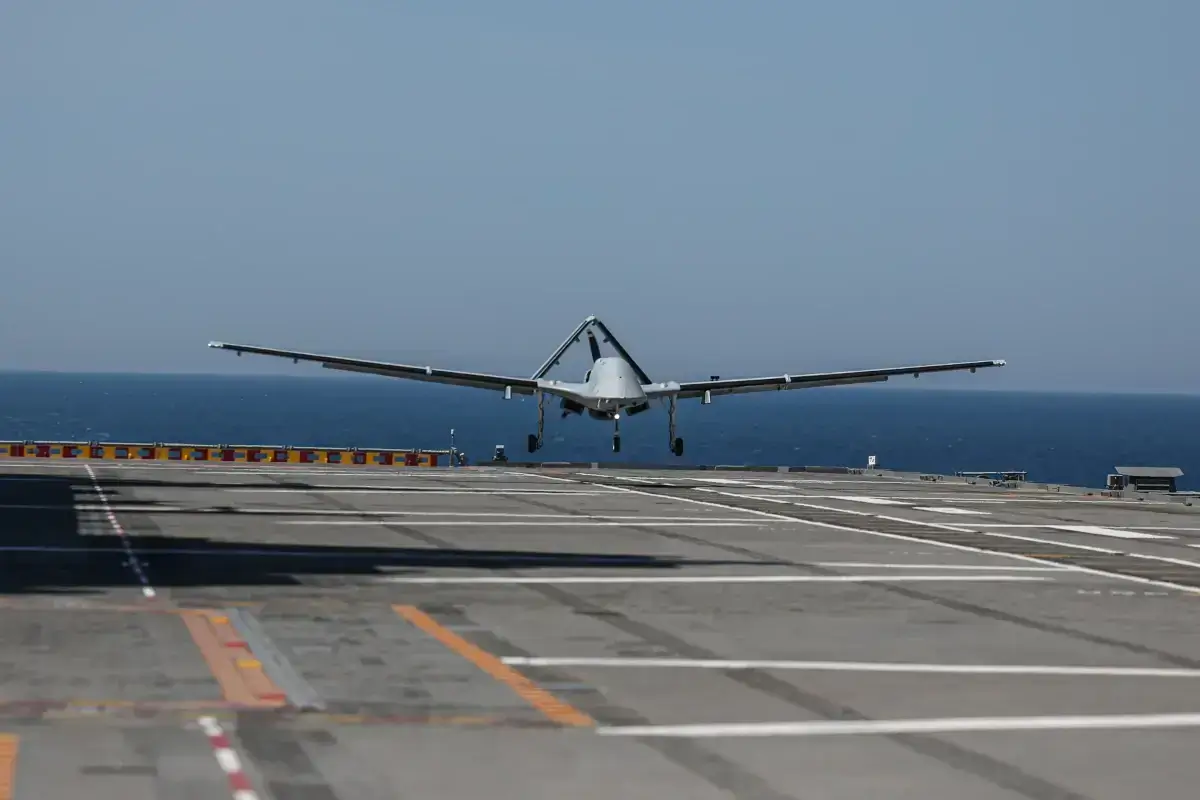
A short runway means much harder braking and much shorter stopping distances. The special non-slip floor covering on the ship's deck creates an extra abrasive effect on the tires. Petlas engineers simulated these "Rough Strip" conditions when designing the TB3 tires. The tire sidewalls were extra reinforced to withstand lateral loads (side loads) that may occur during the ship's rolling movements. Thus, the TB3 has acquired domestically produced tires that will allow it to operate safely in the middle of the Blue Homeland.
AKINCI: Carrying the Heavyweight Burden
Offensive Unmanned Aerial Vehicle Bayraktar AKINCI, With its MK-type guided bombs and electronic warfare pods, the Akıncı is categorized as "Heavyweight." The Akıncı's tires must adapt to varying load scenarios.
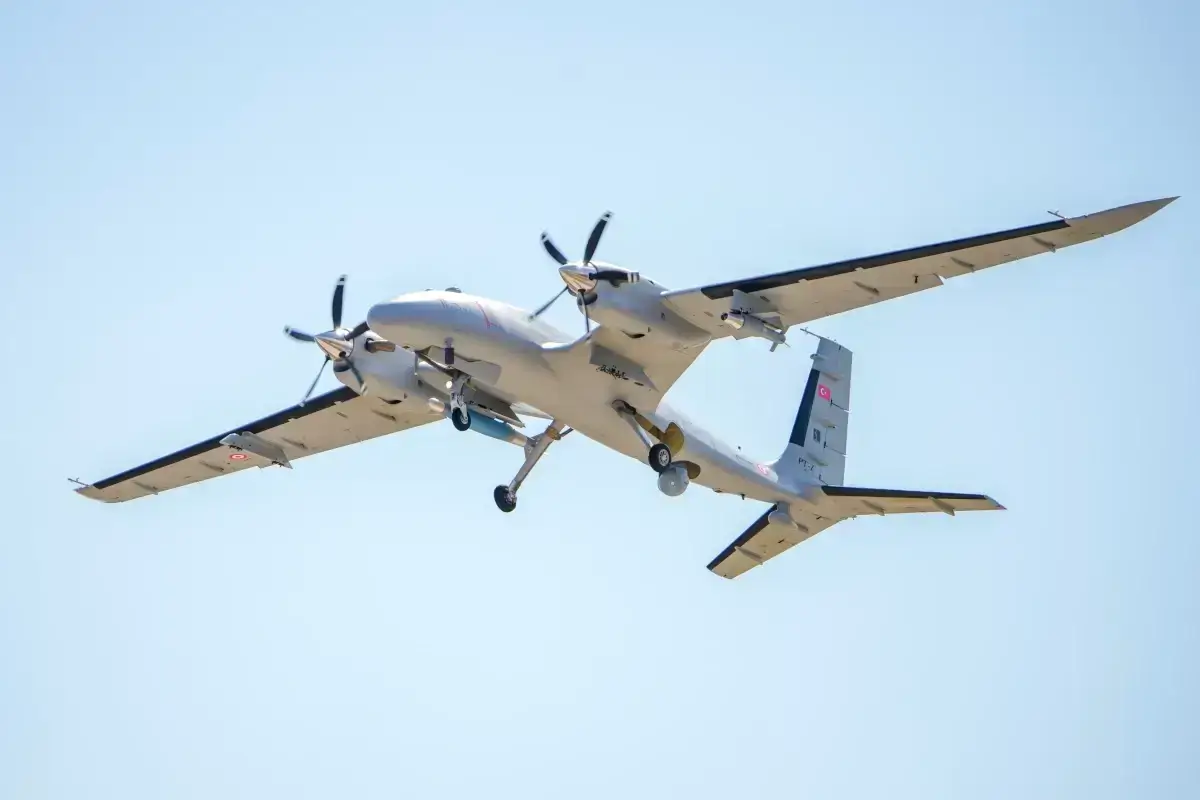
The dynamics of the load on the tires when the aircraft takes off with full underwing capacity differ from the dynamics experienced when landing with empty weight after a mission. The tires Petlas produced for the Akıncı have a carcass structure that provides this flexibility. Furthermore, the fact that the rubber does not lose its properties even in sudden temperature changes such as air temperatures dropping to -50 degrees Celsius during high-altitude operations (above 40,000 feet) and rising again to +30 degrees Celsius upon landing demonstrates Petlas's expertise in materials science.
HÜRJET and HÜRKUŞ: The Wheels to Which We Entrust the Pilots of the Future
TUSAŞ's training and light attack aircraft. HÜRKUŞ And HÜRJET, These are the platforms with the most take-offs and landings in military aviation. Due to the nature of training flights, pilot trainees perform "touch-and-go" maneuvers multiple times a day. This significantly increases the tire's warm-up and cool-down cycles and wear rate.
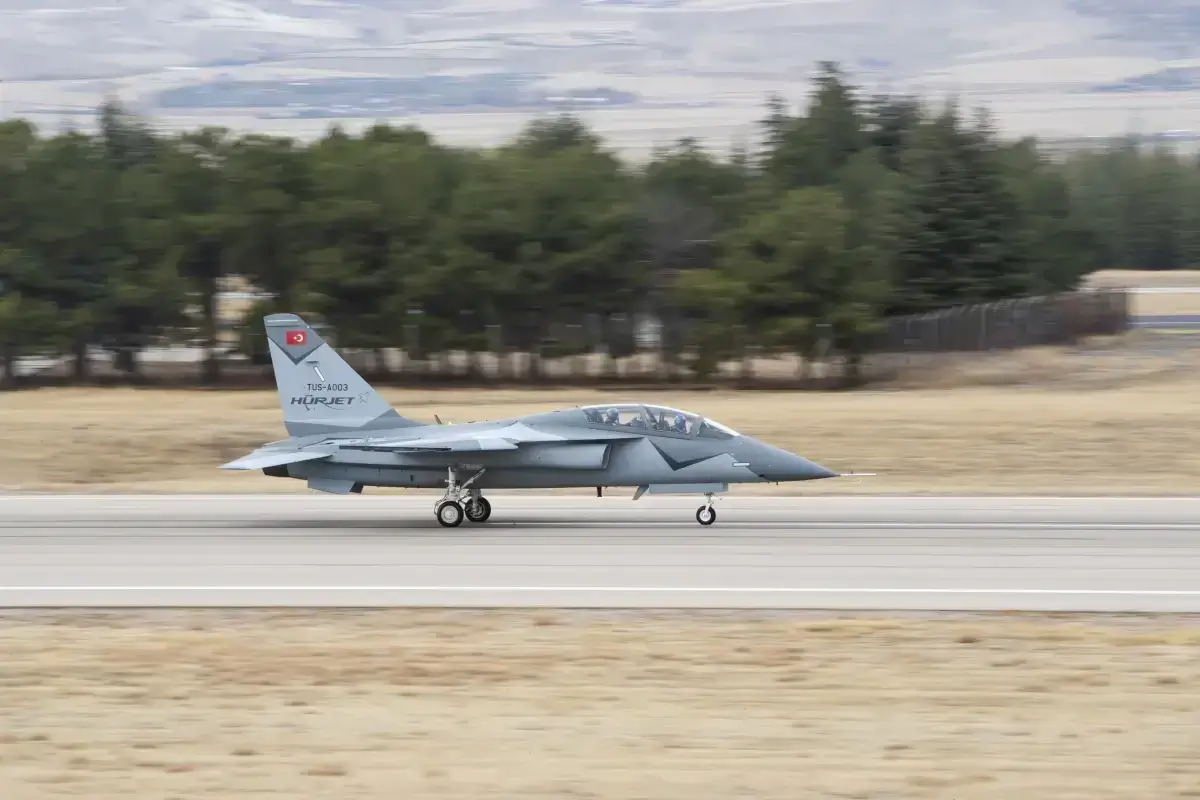
Petlas prioritized longevity and durability in the tires it developed for HÜRJET and HÜRKUŞ aircraft. In particular, HÜRJET's jet engine structure and high approach speed necessitated increased sidewall strength in the tires. Today, Turkish pilots complete their training on domestically produced aircraft, confident in using domestically produced tires.
National Helicopters: Shock Absorbers for Vertical Landing
Unlike fixed-wing aircraft, helicopters don't always "glide" onto the runway. These platforms sometimes have to make hard, vertical landings. This requires the tires to act like a suspension system.
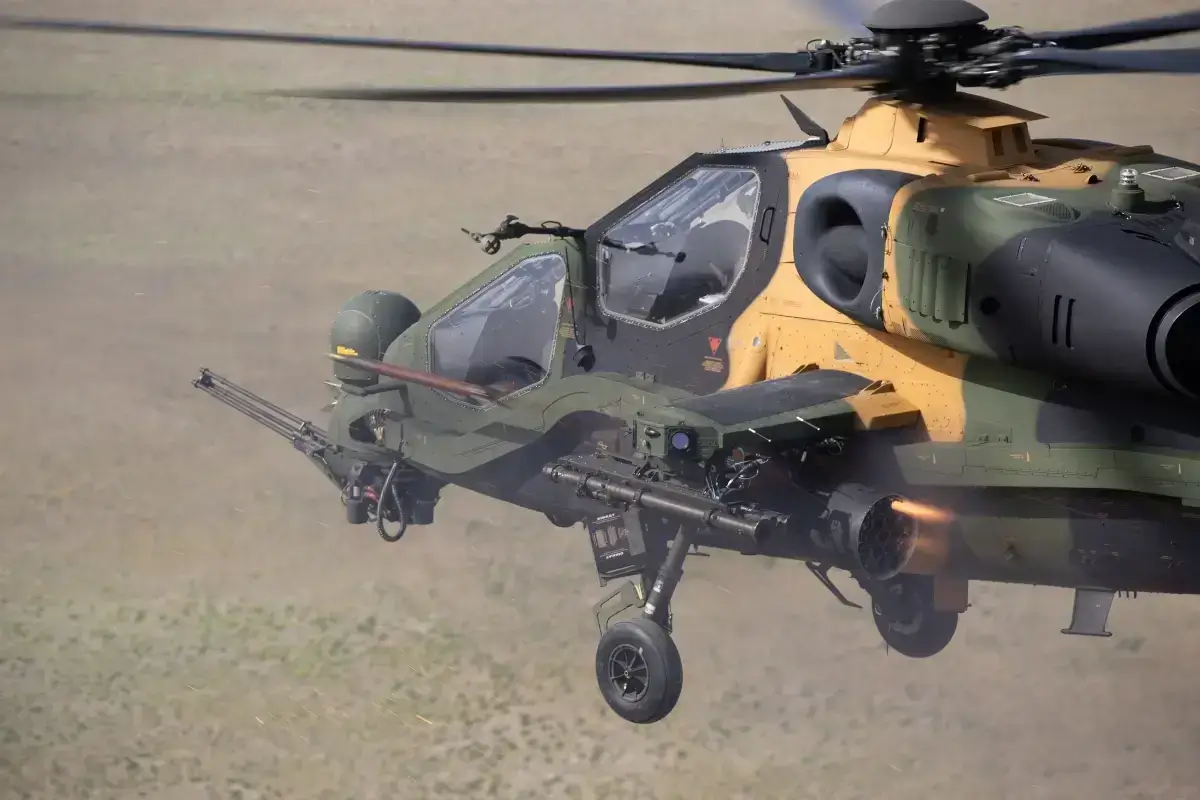
Petlas, TUSAŞ T129 ATAK helicopter and T625 GÖKBEY It produces specialized tires for general-purpose helicopters. It is developing heavy-class attack helicopters. ATAK-2 Work is also underway on this. The sidewall structure of helicopter tires is being designed to absorb vertical shocks (Shock Absorption), reducing vibration transmitted to the fuselage and sensitive avionics.
The "Run-Flat" Revolution in Land Vehicles: Tires That Can Stand Up to Bullets
Just as air supremacy is essential to defense doctrine, so is land supremacy. Turkish defense industry armored land vehicles (FNSS, Otokar, BMC, Nurol Makina) operate in the world's most challenging terrains. The most critical technology in the wheels that enable these vehicles' mobility is the one that Petlas nationalized in 2014. Run-Flat (Burst Pipe) It is a system.
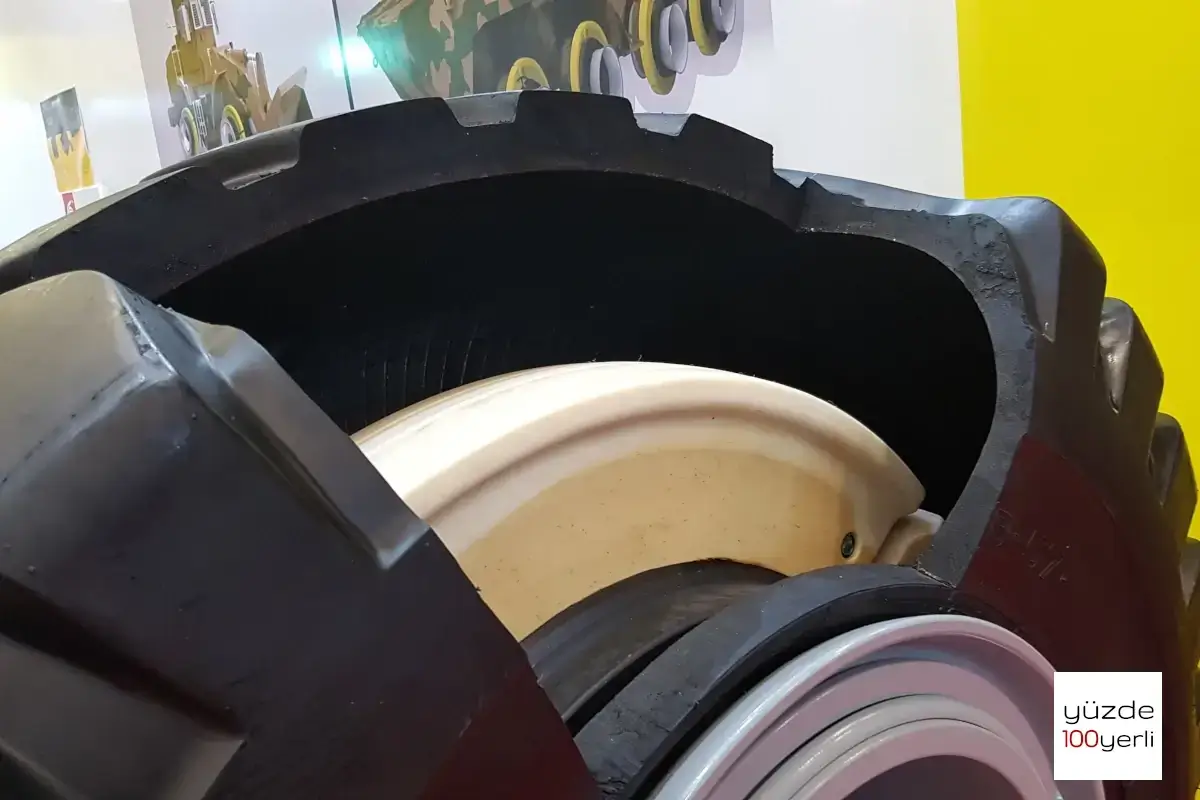
A flat tire on an armored vehicle on the battlefield can render the vehicle immobile and make it an easy target. Petlas' Run-Flat technology allows the tire to perform its function even if it's shattered by armor-piercing projectiles or completely deflated by mine shrapnel. It prevents the vehicle from driving on the rim, thus preserving the tire's physical structure. Special composite support rings or reinforced sidewalls are embedded in the tire. This prevents the rim from touching the ground, allowing the vehicle to travel for miles and safely transport personnel to a secure area.
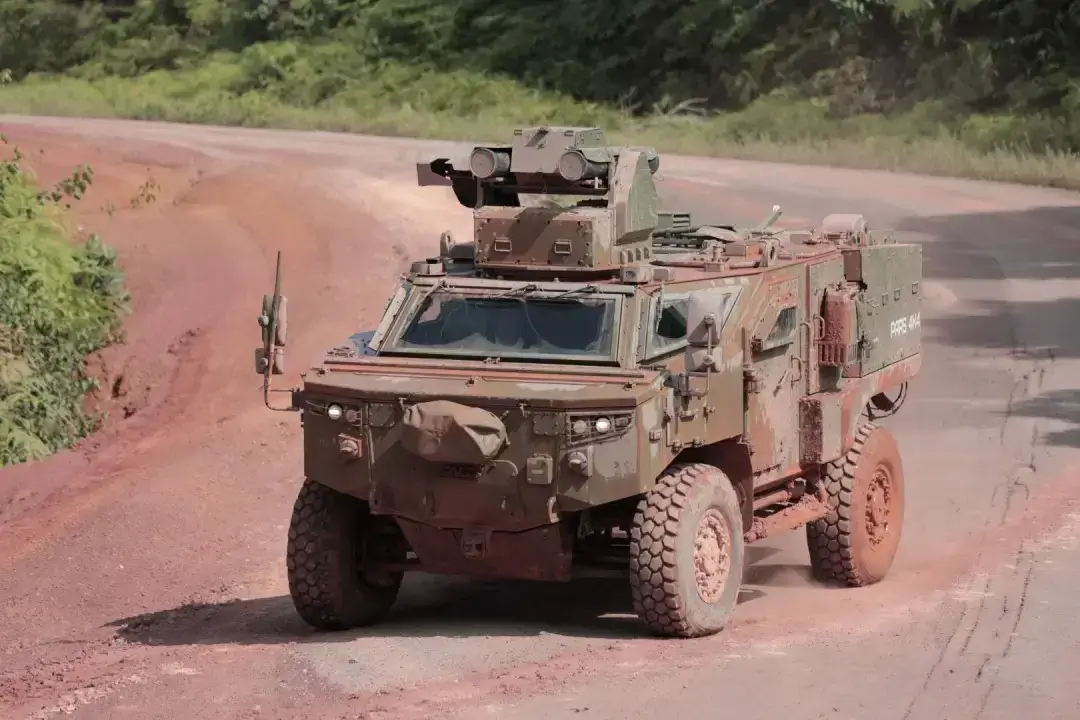
- FNSS Pars 4×4: This vehicle, designed for Special Forces, features Petlas's technology. PM series These highly tactical tires provide excellent traction on rough terrain.
- BMC Tulga: The Tulga armored pickup truck, with its Petlas tires, can both speed on asphalt and overcome obstacles off-road.
- Heavy Logistics: Developed for trucks carrying howitzers and tank carriers. RM series Tires, with their special cut-resistant compound, carry tons of load to the front lines.
Laboratory and Testing: Military Secrets Now Remain in Kırşehir
In the defense industry, testing and certifying a component is just as strategic as manufacturing it. In the past, Turkey had to send a tire it produced to testing centers abroad to prove its compliance with aviation standards. This was both costly and meant sharing data on landing gear, aircraft weights, and take-off/landing speeds from national projects (KAAN, HÜRJET, etc.) with foreign countries.
To close this intelligence and security gap, Petlas has established an internationally accredited facility in Kırşehir. Tire Testing Laboratory It was established. This center, accredited by the Turkish Accreditation Agency (TÜRKAK), started operating as Türkiye's only and one of the few testing centers in the region.
Here, tires are spun on massive drums to accelerate them to takeoff speeds. Landing simulations are performed by applying tons of load to the tires, and their durability at high temperatures is measured. Now, TUSAŞ or Baykar engineers can conduct tire tests for the military projects they develop in a completely domestic and secure environment, without sharing data abroad. This can be seen as more than just a technical capability; it is a strategic data security move.
Vision for the Future: 2027 and Complete Independence
Petlas is not limiting its contribution to the defense industry to its current production. The company has demonstrated its commitment in this area by increasing its R&D budget to 211 million TL for 2024 and 2025.
Currently, Petlas; 15 different air platforms for 22 different types The company manufactures and certifies military aircraft tires using domestic resources. Its 2027 vision is to nationalize the tire production for seven more manned aerial platforms.
KAAN's safe departure from the runway as it climbs into the sky, KIZILELMA's power derived from the runway as it breaks the sound barrier, and Pars's confident grip on the ground as it conquers the hills—all are entirely domestically produced. Türkiye's national projects are now moving towards the future not with tires produced by others, but with domestically produced tires developed by our own engineers and manufactured by our own workers.
Editor's Note and Information
This analysis, yuzde100yerli.com This article has been prepared from a completely independent editorial perspective and has no affiliation with the aforementioned company. This does not include any sponsorship or advertising agreement. Our aim is to draw attention to the unsung heroes of national platforms and the localization rate in subsystems.
The technical data, tire sizes, and platform matching included in this article were compiled using open sources from the manufacturer's official website. Please note that due to the dynamic nature of the defense industry, technical data may be updated over time or errors may occur inadvertently. Please share any shortcomings, corrections, or your opinions on the subject matter below. comments You can contribute to our national technology archive, which we have been trying to maintain since 2006, by sharing your findings with us in this section.
Source:
- Petlas – Aircraft Tires (Main Landing Gear): https://petlas.com.tr/ucak/ucak/ana
- Petlas – Military Land Vehicle Tires (All Models): https://petlas.com.tr/tumu/askeri/askeri-kara-araclari
- Official Announcement from Petlas – KAAN Tires: https://petlas.com.tr/haberler/milli-muharip-ucagi-kaan-in-lastikleri-petlastan
Note
If you have any photos or video footage to support our news story, please share them with us using the information provided on our contact us page.
