


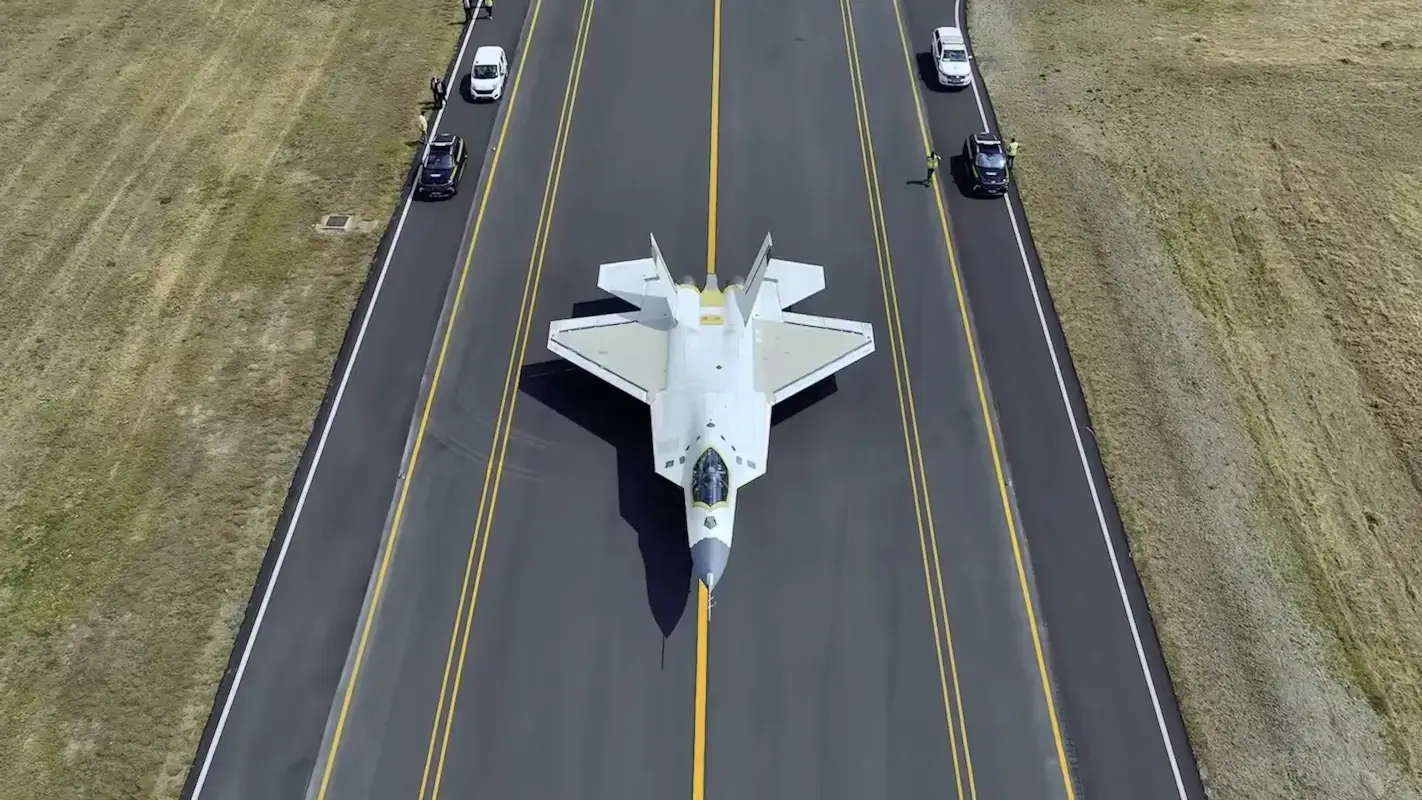
Turkish engineer Ergün Kırlıkovalı, who worked on the stealth technology of the F-35 fighter jet, made striking assessments about the National Combat Aircraft KAAN in an interview. Noting that KAAN's current capabilities are impressive, Kırlıkovalı stated that with the integration of the domestic engine developed by TEI, the aircraft will reach sixth-generation level.
With a Touch or Two, KAAN Moves Towards Sixth Generation
Kırlıkovalı assessed KAAN's development process with these words: "Our KAAN aircraft is being developed with very advanced capabilities. The F-35 is 5th generation. Yet KAAN, with a touch or two, is heading towards sixth generation." Recalling that in the early years, some circles portrayed KAAN as 4.5 generation due to the use of General Electric engines, Kırlıkovalı avoided entering this debate but stated: "With the new engines coming from TEI, it is heading towards this sixth generation, making progress."
"I Know the Engineers Who Built KAAN"
Kırlıkovalı also expresses his confidence in the engineering team working on the KAAN project: "I know most of the engineer friends who built KAAN. Tremendous people, very well developed. People who know these subjects very well and know what they are doing." According to Kırlıkovalı, KAAN's capabilities are very impressive, and when the project matures and domestic engines are integrated, Türkiye will be able to take pride in KAAN as a sixth-generation aircraft.
The 5th vs 6th Generation Debate Around KAAN
The generation classification of fighter aircraft is seen, beyond an academic debate, as a critical indicator in terms of exports, positioning within alliances and operational doctrine. Fifth-generation aircraft are defined by low radar cross-section, supersonic cruise, advanced sensor fusion and network-centric warfare capabilities. The use of General Electric F110 engines in KAAN's first prototypes leads some analysts to position the aircraft as 4.5 generation. However, as Kırıklıovalı also points out, KAAN's true potential will emerge when the domestic TF35000 engines developed by TEI enter service.
KAAN's approach to sixth generation is, of course, not a matter of the engine alone. Sixth-generation aircraft are defined by teaming with unmanned systems (MUM-T), artificial intelligence-supported decision support systems, directed energy weapons and advanced cyber warfare capabilities. KAAN's potential to operate alongside unmanned platforms such as KIZILELMA and ANKA-3 is among the steps taken and proven in this direction. Kırıklıovalı's statement that "KAAN becomes 6th generation with a touch or two" implies that these capabilities are already integrated into the design.
The positive assessment of KAAN by an engineer who worked on the F-35's stealth technology is a reference that could attract attention internationally as well. However, KAAN's real test will come when the domestic engine enters serial production and the aircraft enters the operational inventory. Until that stage, the assessments made are promising, but KAAN's true potential will become clear when it enters the Turkish Air Force inventory.
Note
If you have any photos or video footage to support our news story, please share them with us using the information provided on our contact us page.
