


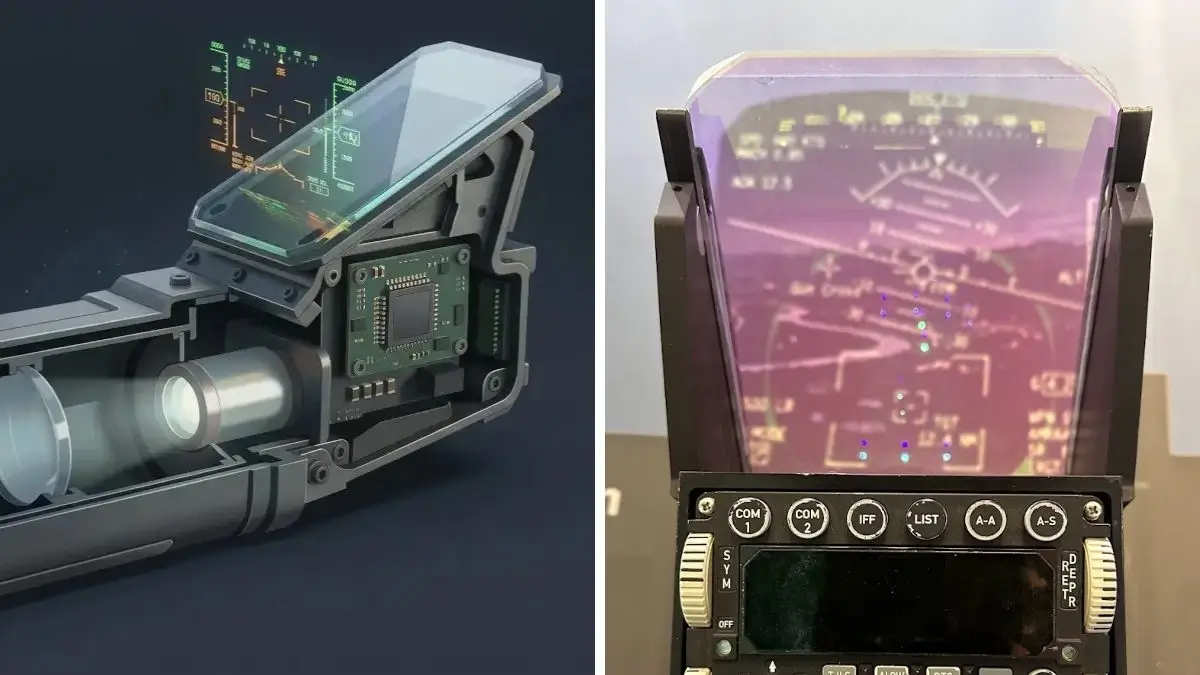
Türkiye is developing its own air-to-air missile systems, but how does it plan to use these systems on the "non-liberated" aircraft in its inventory? It is precisely at this point that a remarkable engineering solution comes to the fore. In order to be able to use these systems in emergencies or to export them, Turkish engineers have developed hardware that bypasses the software restrictions on these aircraft and ensures the full integration of national munitions onto these platforms. The patent document, whose details we have examined in Yüzde 100 Yerli, has a highly ambitious and equally intriguing title: "Independently Integrable Head-Up Display Upgrade Device for Combat Aircraft".
The History of the Source Code Barrier in Combat Aircraft
The integration of Türkiye's national air-to-air missiles, such as GÖKDOĞAN and BOZDOĞAN, onto foreign-origin combat aircraft whose mission computers cannot be modified, had long been on the defence industry's agenda. Previously, the warhead tests of GÖKDOĞAN and BOZDOĞAN had been successfully completed and the systems had become ready to enter the Turkish Armed Forces inventory. Within the scope of the ÖZGÜR Project, F-16 Block 30 aircraft were equipped with national avionics and an original mission computer with national OFP software, achieving national munitions integration. However, this solution was developed for a specific block and a limited number of aircraft. No similar solution existed for the different-origin platforms in the inventory.
In his 2027 budget presentation at the Grand National Assembly's Planning and Budget Committee, Minister of Industry and Technology Mehmet Fatih Kacır had drawn attention to the role of TÜBİTAK institutes in KAAN's subsystems. Kacır had stated: "We are developing and producing, at TÜBİTAK institutes, the flight and mission management platform of our fifth-generation fighter aircraft KAAN, the Life Support System that provides pilots' breathing during flight, the Fuel Safety System, and the advanced material superalloy technologies of the aircraft engine, as well as more effective domestic and national versions of cruise missiles and guidance kits previously procured from abroad."
How Does the Globally Patented HUD System Work?
According to the claims and technical drawings of the invention detailed in the patent document we obtained, the process operates through a physical reading and projection process without touching the aircraft's software. The system works in four basic stages.
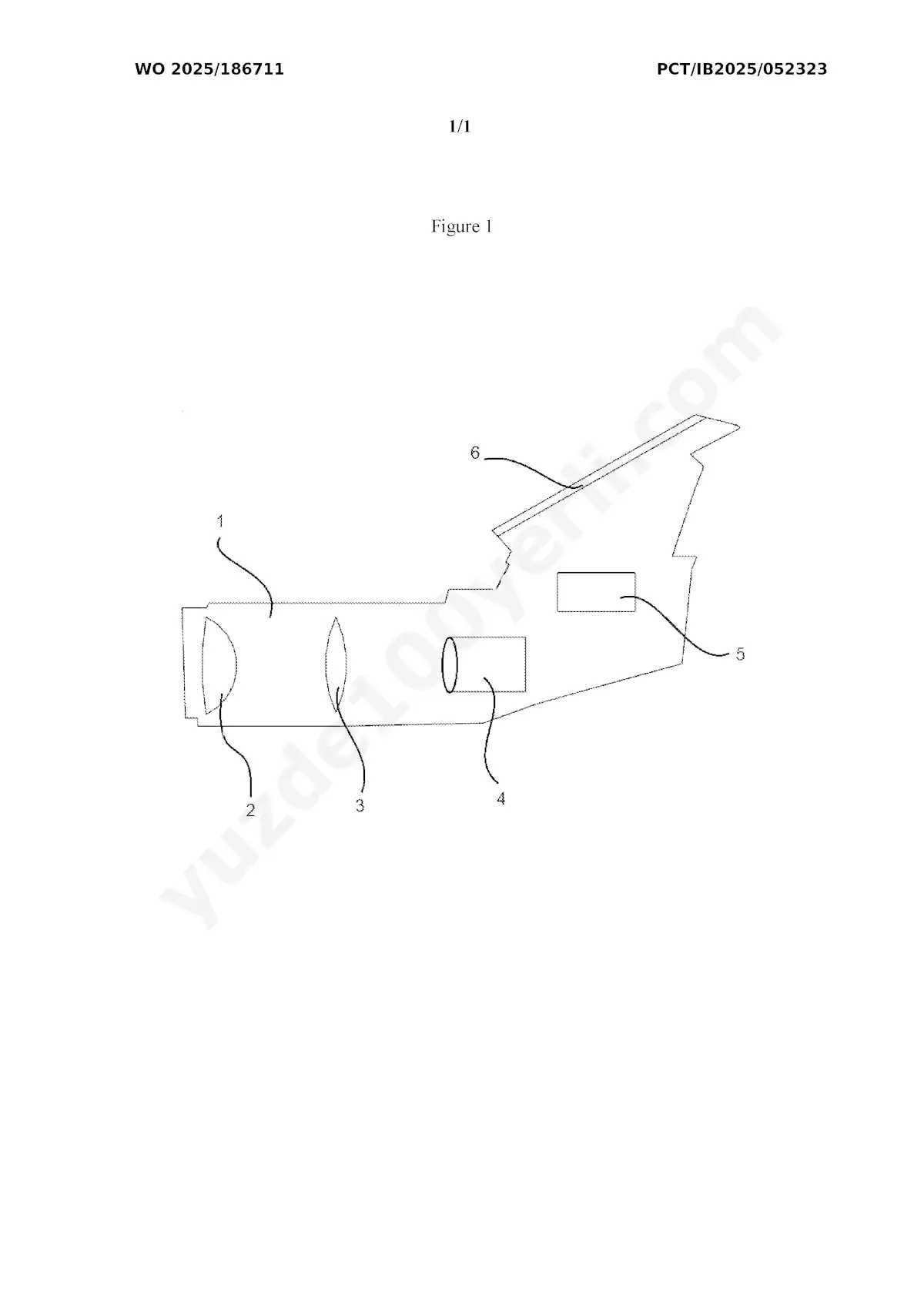
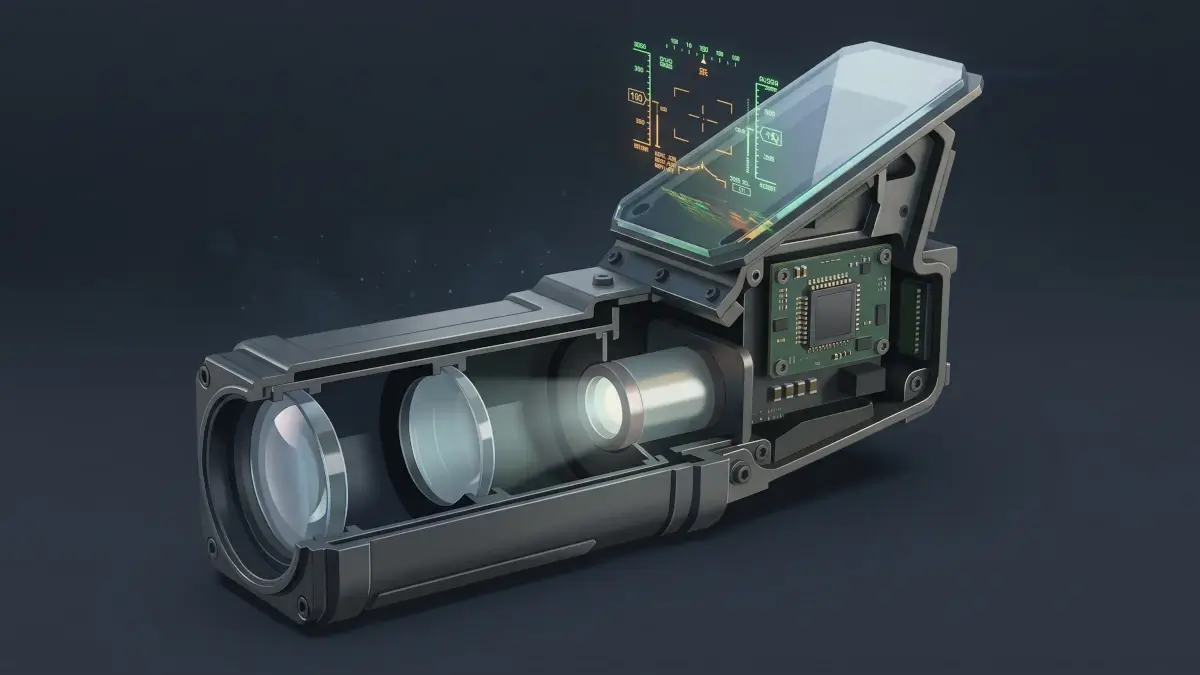
In the first stage, an optical reading is performed from the aircraft's original system. According to the information in the document we examined, the developed device physically processes and analyses, by means of a camera and processor on it, all flight and tactical situation symbols generated on the cathode ray tube and lenses inside the aircraft's original HUD unit.
The system devised ingeniously by Turkish engineers operates as the dictionary definition of a true man-in-the-middle, reading the light or image produced by the aircraft by intervening rather than drawing data from the aircraft.
In the second stage, new data is added onto the read image. This read original flight data is transferred to the Image Combiner Unit, which is independent of the aircraft's main computer. According to the statements in the document, this unit combines all the elements in the image belonging to external payload requirements with the original information coming from the aircraft and creates a new image. Yes, this system, which may seem very simple when read, operates on a combat aircraft. It should also be added that, while the system modifies the image coming from the aircraft's original HUD system and presents it as a new image, performing this process flawlessly at very high speeds is a vital matter.
In the third stage, overlapping symbols are erased. The most striking capability of the system is clearly emphasised in the second claim of the patent. According to what is stated there, the device also has the ability to erase or change elements and symbols that overlap or are unwanted in the read image, based on the information it receives from the external payload.
In the final stage, the transparent screen comes into play. The final image, processed and enriched with external mission payload data, is transferred to the Transparent Head-Up Display Screen, which replaces the existing combiner, and presented to the pilot as new information.
"Plug-and-Play" Modernisation
According to another critical piece of information we obtained from the patent document, the device meets the power and data required for all these complex data processing processes via the combat aircraft's military-standard MIL-STD 1760 and MIL-STD-1553 data buses. This structure enables pilots to see external national munitions data on their own screens through a device that can be integrated into existing HUD systems without the need for combat aircraft to be dismantled in hangars for months.
Export Potential
The strategic importance of this patent obtained by TÜBİTAK lies in its export potential. Thanks to this technology, Türkiye gains the ability to integrate the GÖKDOĞAN, BOZDOĞAN and all other national munitions it will develop in the future not only onto aircraft in its own inventory but also onto different-origin combat aircraft owned by friendly and allied nations.
In the second Karabakh war between Azerbaijan and Armenia, we saw that Turkish national smart munitions were integrated onto Azerbaijani combat aircraft and that these aircraft served with Turkish smart munitions.
This independent solution, which eliminates source code restrictions and manufacturer-country embargoes, is of a nature that can increase the competitiveness of national air-to-air missiles in the global market.
References
- TÜBİTAK Patent – WO2025186711 – INDEPENDENTLY INTEGRABLE HEAD UP DISPLAY UPGRADE DEVICE FOR COMBAT AIRCRAFT
- ADEX 2024: Su-25 LAÇIN Modernisation on Display
- F-16 Block 30 Modernisation: The ÖZGÜR Project
Note
If you have any photos or video footage to support our news story, please share them with us using the information provided on our contact us page.
